Stiff Neck Treatment in Chelmsford: Woke Up With Neck Pain and Can't Turn Your Head? (What Helps Fast)
Waking up with a stiff neck is one of those problems that can feel dramatic — even if it came out of nowhere. One minute you're fine, the next you can't turn your head properly, driving feels awkward, and even getting dressed is annoying.
People often describe it as:
“I slept funny and now my neck is stuck”
“I can't turn my head to one side”
“It's sharp when I look over my shoulder”
“It's sore into the shoulder blade”
“It feels like a spasm”
Most acute stiff neck episodes are muscle/joint irritation that settles well with the right approach. The key is knowing what to do (and what not to do) in the first few days.
If you're searching for stiff neck treatment in Chelmsford (or nearby areas like Great Baddow, Springfield, Writtle, Galleywood, Boreham or Chelmer Village), this guide will help you:
understand common causes of sudden neck stiffness
know what helps in the first 24–72 hours
avoid mistakes that prolong it
understand what physio treatment typically involves
know when to get checked sooner

First: when a stiff neck needs urgent medical advice
Most stiff necks are not dangerous. But seek urgent medical advice today if you have neck pain with:
fever, severe headache, light sensitivity, or feeling very unwell
sudden severe “worst ever” headache
new weakness, numbness, or clumsiness in arms/legs
problems with balance, speech, vision, or swallowing
significant trauma (fall, car accident)
unexplained weight loss with persistent pain
If you're unsure, it's always safer to get checked.
Why do you wake up with a stiff neck?
A stiff neck after sleeping is usually a combination of:
joint irritation (facet joints in the neck)
muscle guarding/spasm (neck muscles tighten to protect the area)
sustained positioning (your neck stayed in one position for hours)
reduced movement variety (desk work + driving + phone use can “prime” the neck)
It's often not one perfect “bad pillow.” It's more like: your neck was already a bit loaded, then sleep position was the final straw.
Common symptoms (what's normal for an acute stiff neck)
It's common to have:
pain on one side of the neck
difficulty turning the head (especially one direction)
pain that refers into the shoulder or shoulder blade
a feeling of “catching” when you move
muscle tightness at the base of the skull or upper traps
headaches (sometimes)
What's less typical (and worth assessing sooner):
progressive arm tingling/numbness
significant arm weakness
severe constant pain that doesn't change with movement/position
What causes it? (the most common patterns)
1) Facet joint irritation (“locked” feeling)
Facet joints can become irritated and feel “stuck.”
Clues:
sharp pain turning one way
feels like a specific movement is blocked
often improves with gentle repeated movement (not forcing)
2) Muscle spasm/guarding
Muscles tighten to protect irritated joints.
Clues:
feels like a “spasm”
sore to touch
pain eases with heat and gentle movement
3) Upper back (thoracic) stiffness contributing
If your upper back is stiff, your neck often compensates.
Clues:
desk work/driving triggers it
shoulder blade tightness
relief after walking/moving around
4) Neck referral into shoulder blade
Neck structures can refer pain into the shoulder blade region.
Clues:
shoulder blade ache with neck movement
pain changes when you turn/tilt your head
What to do in the first 24–72 hours (what helps fast)
The goal is to reduce irritation and restore movement safely.
1) Keep the neck moving little and often
This is usually the biggest win.
Try:
gentle head turns left/right within comfort
gentle nodding “yes” and “no”
small ranges frequently (every 1–2 hours)
Think: easy reps, not big stretches.
2) Use heat for comfort (if it helps)
Heat can reduce muscle guarding and make movement easier.
3) Modify aggravating activities temporarily
For 2–4 days, reduce:
long periods at a laptop without breaks
looking down at your phone for ages
heavy lifting/carrying on one side
intense upper body gym sessions
4) Support sleep position (don't fight it all night)
If you're a side sleeper:
pillow should fill the gap so your neck isn't side-bent
hug a pillow to reduce shoulder tension
If you're a back sleeper:
avoid pillows that push your head too far forward
consider a small towel roll to support the neck curve (if comfortable)
What to avoid (common mistakes that prolong a stiff neck)
forcing a big stretch into sharp pain
repeatedly “testing” the painful movement every 2 minutes
aggressive massage/ball work that bruises the area
cracking your neck repeatedly for short-term relief
complete rest for a week (stiffness often worsens)
A simple “stiff neck” movement routine (general guidance)
Do this 3–5 times/day, staying in a comfortable range:
1) Gentle neck rotations
turn slowly left/right
stop before sharp pain
5–10 reps each side
2) Side bends (ear toward shoulder) — small range
keep it gentle
5–10 reps each side
3) Shoulder blade rolls + posture reset
roll shoulders up/back/down
relax jaw and shoulders
10 slow reps
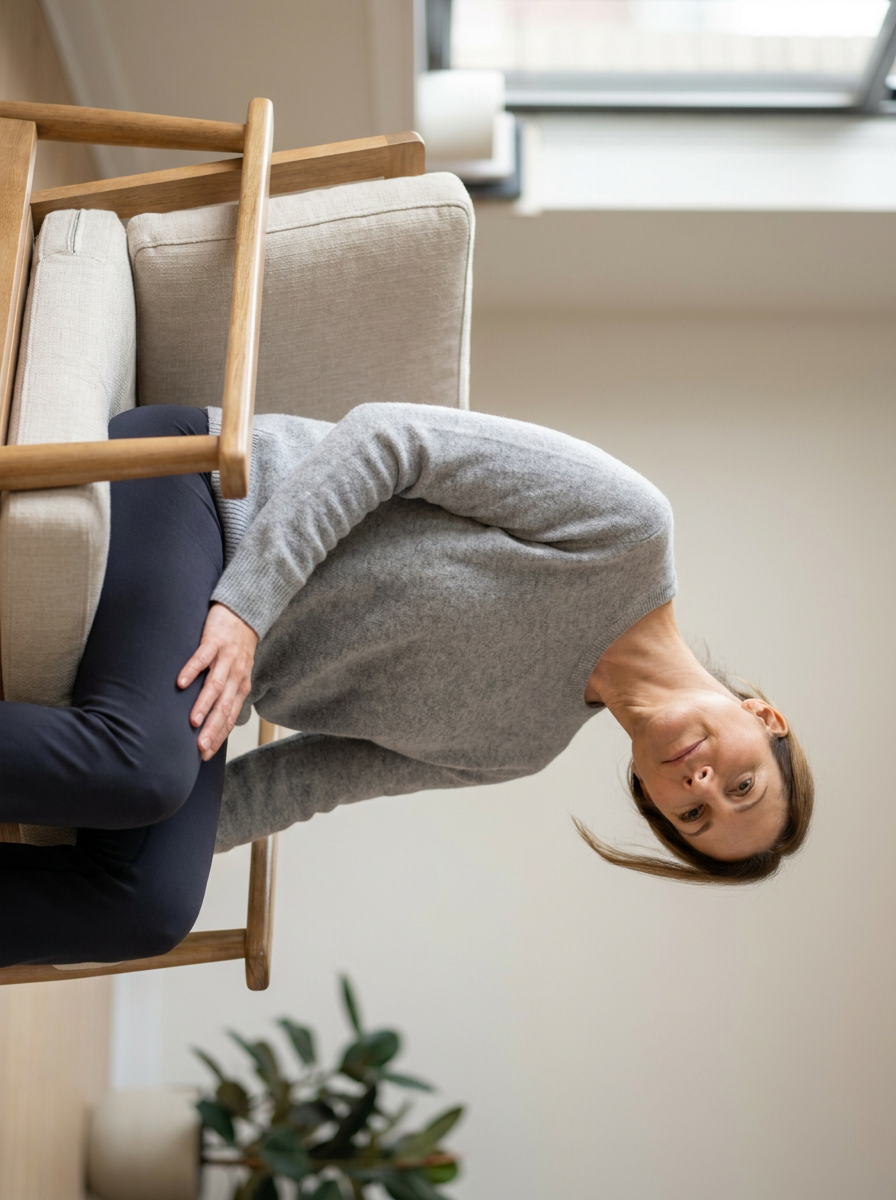
If you want, tell me which movement is worst (turning left vs right, looking down, looking up) and I'll tailor the routine more specifically.
How long does a stiff neck take to go away?
Many acute stiff neck episodes improve noticeably within:
3–7 days for the worst stiffness
1–3 weeks for full confidence and normal movement
If it's not improving steadily after 10–14 days, or keeps recurring, it's worth getting assessed.
When to book a physio assessment
Book in if:
you can't turn your head enough to drive safely
pain is severe or not improving after a few days
it keeps coming back every few weeks
you have headaches linked to neck stiffness
you have arm symptoms (tingling/numbness/weakness)
sleep is consistently affected
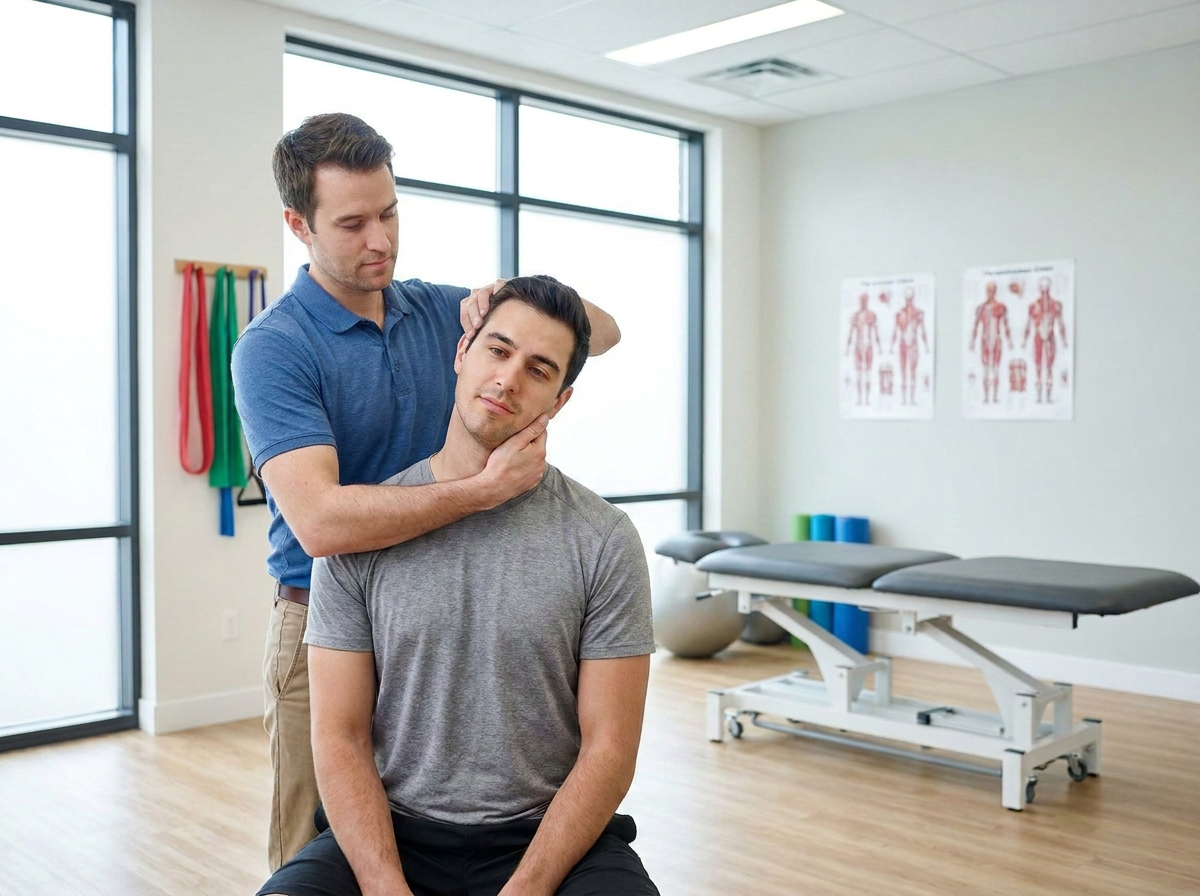
What a physio assessment for a stiff neck should include
A thorough assessment typically checks:
neck range of motion and which movements provoke symptoms
joint vs muscle contribution (what's driving the stiffness)
upper back mobility (often relevant)
shoulder blade and postural endurance
nerve screening if there are arm symptoms
work setup and daily habits (desk, driving, phone use)
a clear plan with progressions (not just “rest and hope”)
How physio treatment usually helps (the roadmap)
Phase 1: Calm the flare + restore movement
reduce pain and muscle guarding
improve comfortable rotation/side bending
settle headaches if present
give you a simple daily plan
Phase 2: Build resilience (so it doesn't keep happening)
Often includes:
deep neck flexor endurance
shoulder blade endurance (mid/lower traps)
thoracic mobility and control
desk and driving strategies
Phase 3: Return to full activity
gym return plan (pressing/pulling)
running/cycling posture strategies
prevention routine that takes 5–8 minutes, not 45
Why desk work makes stiff necks more likely (and how to fix it)
It's rarely “bad posture” — it's time in one posture.
Helpful strategies:
micro-breaks every 30–45 minutes
screen at eye level (reduce chin poke)
elbows supported where possible
phone held higher (reduce neck flexion)
2-minute walk + shoulder rolls between tasks
A stiff neck often improves faster when you change the pattern that triggered it.
What we can/can't do (honest expectations)
What we can do
identify whether your stiffness is joint-driven, muscle-driven, or linked to upper back/desk habits
reduce pain and restore movement quickly in many cases
help prevent recurrence with a realistic strength/endurance plan
advise on sleep setup, desk setup, and return to training
What we can't do
promise a single treatment will prevent it forever without addressing movement habits
guarantee it won't flare during stressful or high-workload weeks (but we can reduce the likelihood)
Book a free assessment in Chelmsford
If you're in Chelmsford, Great Baddow, Springfield, Writtle, Galleywood, Boreham or Chelmer Village and want a clear plan for a stiff neck (especially if it's affecting driving or sleep), book a free assessment.
Revive Health Chelmsford
Call: 01245 956391 or 07723 503277
Website: https://www.revivehealthchelmsford.co.uk
FAQs: Stiff neck after sleeping
Is it just my pillow?
Sometimes pillow height contributes, but it's usually a mix of sleep position + overall neck load from the week.
Should I stretch it hard to “unlock” it?
Usually no. Gentle repeated movement is often better than forcing a big stretch into sharp pain.
Can I go to the gym?
Often yes, but avoid heavy overhead work and anything that spikes pain for a few days. Keep it light and pain-limited.
Why does it hurt into my shoulder blade?
Neck joints and muscles commonly refer pain into the shoulder blade region.
When should I worry?
If you feel unwell/feverish, have neurological symptoms, significant trauma, or worsening arm symptoms — get medical advice.
Disclaimer: This article is for general information only and isn't a substitute for medical advice. If you're worried about your symptoms, please seek appropriate medical care.