Shin Splints Treatment in Chelmsford: Shin Pain When Running (What Helps and What to Avoid)
Shin splints are one of the most common reasons runners (and fast walkers) end up Googling symptoms at night. The pain can start as a mild ache along the inside of the shin, then gradually become the thing that ruins your training plan — especially if you're building up for a 5K/10K, returning after time off, or suddenly increasing steps.
If you're searching for shin splints treatment in Chelmsford (or nearby areas like Great Baddow, Springfield, Writtle, Galleywood, Boreham or Chelmer Village), this guide will help you understand:
what shin splints usually are (and what they aren't)
why they happen
what to do in the first 7–10 days
what to avoid so you don't keep flaring them
how physio helps you return to running safely
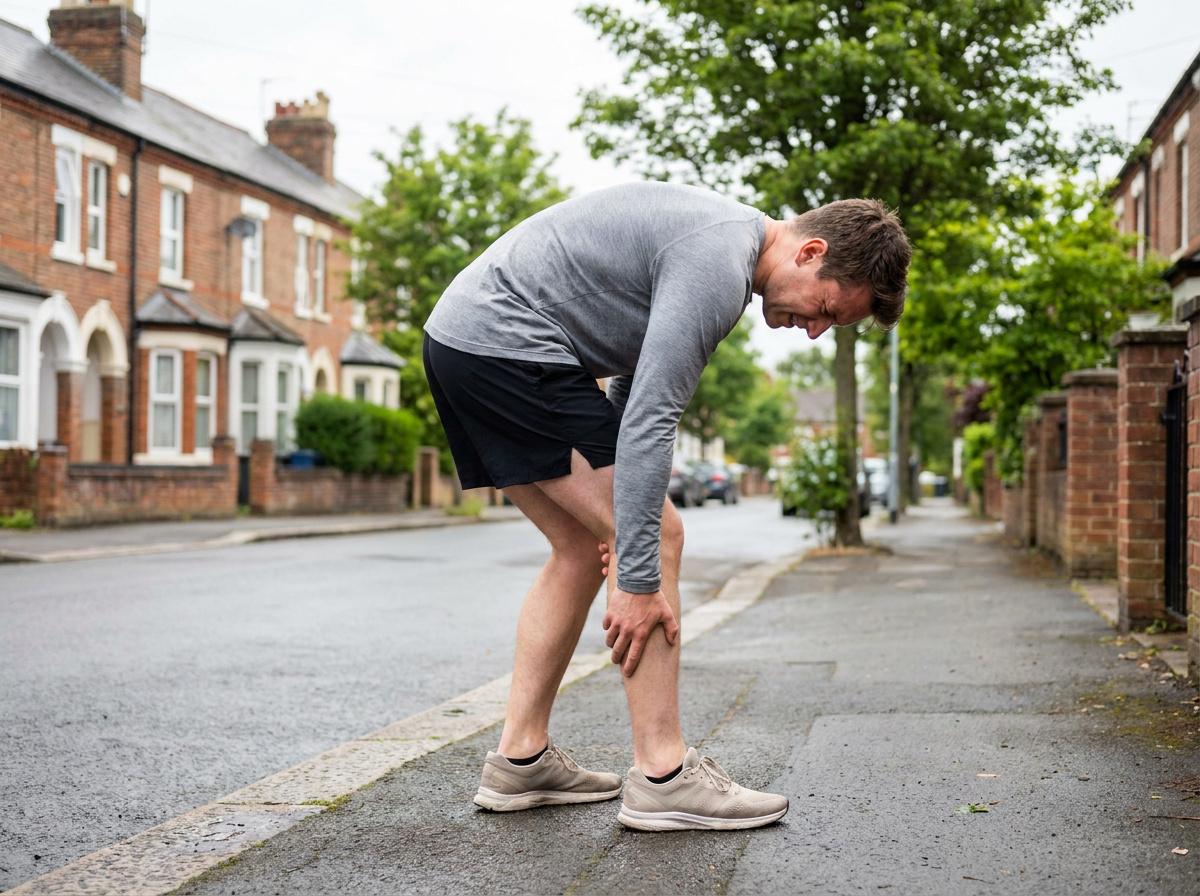
What are shin splints?
“Shin splints” is a common term, but medically it often refers to Medial Tibial Stress Syndrome (MTSS).
In plain English:
it's pain along the inside edge of the shin bone (tibia)
usually caused by repeated loading that your lower leg tissues aren't currently tolerating well
it's often linked with a rapid increase in running/walking volume, hills, or impact
Shin splints are not usually a single “tear”. They're more often a load management + capacity issue.
Where does shin splints pain usually sit?
Most people feel:
a diffuse ache along the inside of the shin, often in the middle-to-lower third
pain that starts during a run and may ease as you warm up
soreness after activity or the next morning
Shin splints vs stress fracture: why the difference matters
This is important because the management can differ.
Shin splints (MTSS) tends to be:
more spread out along a line of the shin
sore with running, sometimes settles quickly after
tender over a broader area
A stress fracture is more likely when:
pain becomes more localised to one spot (“point tenderness”)
pain persists at rest or at night
pain worsens rapidly with continued running
hopping on the affected leg is very painful
you have a history of sudden large training increases, low energy availability, or previous stress injuries
If you suspect a stress fracture, get assessed promptly.
Why shin splints happen (the real drivers)
Shin splints are usually caused by a mismatch between impact load and tissue capacity.
Common triggers:
returning to running after time off
increasing weekly mileage too quickly
adding hills or speed work suddenly
switching to harder surfaces (road/pavement)
sudden increase in walking/steps (holidays, new job, busy period)
worn-out shoes or a sudden footwear change
reduced calf strength/endurance
limited ankle mobility
foot mechanics and control (not “bad feet”, just capacity + control issues)
The “classic” shin splints story
A lot of people experience:
Start running again (or increase distance)
Mild shin ache appears
Push through because it's “not that bad”
Pain becomes more consistent
You stop for a week
You restart at the same level
It returns immediately
The fix is usually:
reduce to a tolerable baseline
rebuild calf/foot capacity
progress running volume gradually
What to do in the first 7–10 days (practical plan)
The goal is to stop repeated flare-ups while keeping you active.
1) Reduce impact load temporarily
This might mean:
pausing running for a short period if it flares sharply
switching to walk-run intervals
reducing distance and avoiding hills
You don't have to “rest forever” — you just need to stop the repeated overload.
2) Keep fitness with lower-impact options
Often tolerated:
cycling
swimming
rowing (if it doesn't flare)
strength training (with sensible modifications)
3) Check your footwear
Helpful questions:
Are your running shoes worn out?
Did you change shoe type recently?
Are you doing lots of walking in unsupportive shoes?
A supportive, cushioned trainer can help short-term while symptoms settle.
4) Don't aggressively stretch into pain
Gentle calf mobility can help, but forcing painful stretches isn't the main solution.
5) Start building capacity early (the key)
Shin splints often improve faster when you start a progressive strengthening plan rather than waiting until pain is “completely gone”.
What to avoid (common mistakes)
pushing through shin pain on every run
stopping completely, then restarting at full volume
adding hills/speed too early
only foam rolling/massaging without strengthening
ignoring sleep/recovery and trying to “out-train” the problem
doing too much too soon because you had one good day
What physio assessment for shin splints should include
A good assessment typically checks:
exact pain location and pattern (during run vs after vs next day)
tenderness area (diffuse vs point tenderness)
calf strength and endurance (single-leg calf raises)
ankle mobility
foot control and balance
running/walking load history (weekly volume, surfaces, hills)
footwear
return-to-run planning
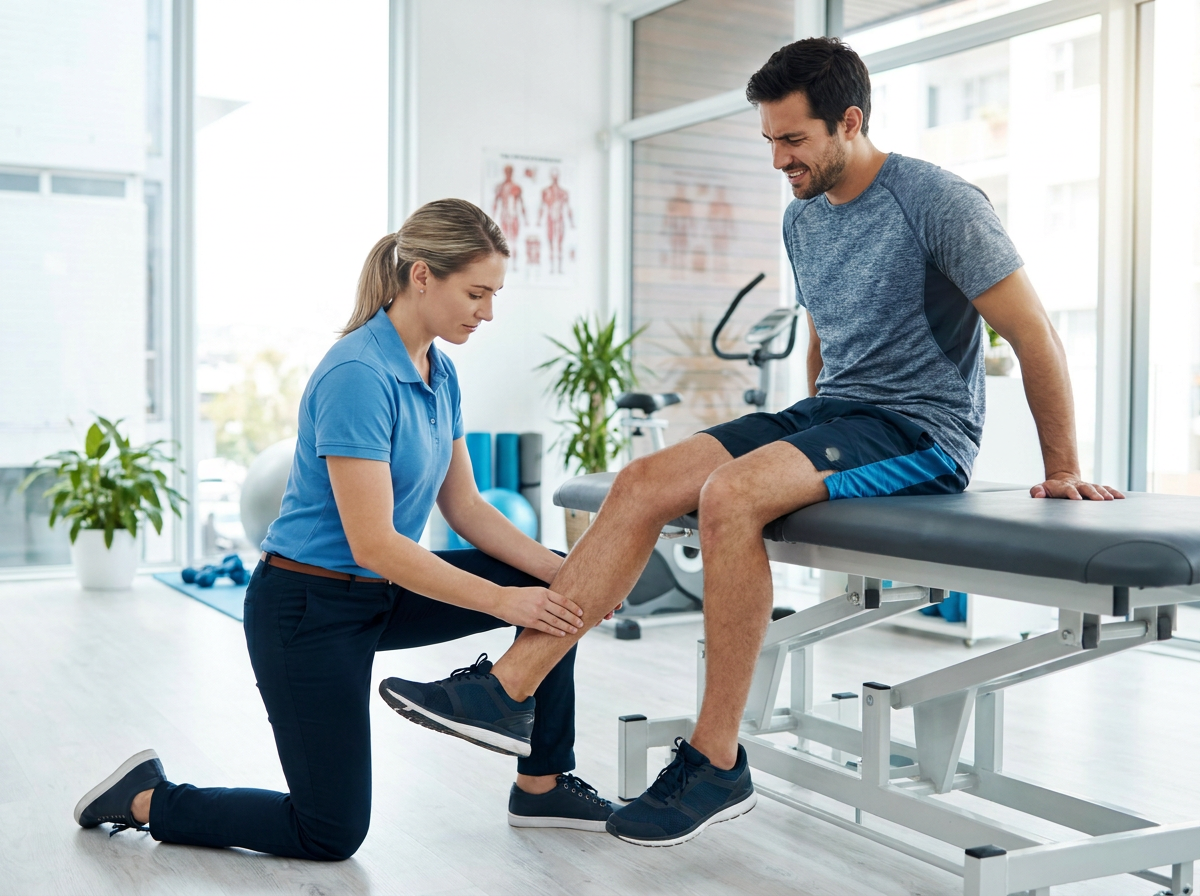
What actually works for shin splints (the rehab roadmap)
Phase 1: Settle symptoms + stop flare-ups
reduce impact load to a tolerable baseline
avoid hills/speed temporarily
keep fitness with low-impact cardio
start gentle strengthening
Phase 2: Build calf + foot capacity (the long-term fix)
This is the “engine room” of shin splints rehab.
Typical focus:
calf strengthening (straight-knee and bent-knee)
calf endurance (progressed)
foot intrinsic strength
balance and control work
gradual exposure to impact (walk-run)
Phase 3: Return to running (progressively)
start with walk-run intervals
increase volume gradually (not big jumps)
add hills and speed later
monitor next-day response
A simple return-to-running approach (general guidance)
Everyone's plan should be individual, but a common structure is:
Walk-run intervals (e.g., 1 min run / 1–2 min walk)
Increase total running time gradually
Keep pace easy at first
Avoid hills initially
Add speed work only once you're tolerating steady runs
A good sign you're progressing well:
pain during the run is mild and doesn't ramp up
symptoms settle quickly after
the next morning isn't significantly worse
Strength matters more than stretching (for most people)
Many runners try to stretch calves endlessly. Mobility can help, but shin splints are often more about:
calf strength and endurance
progressive impact tolerance
load management
If your calves fatigue early, your shin tissues often take more stress.
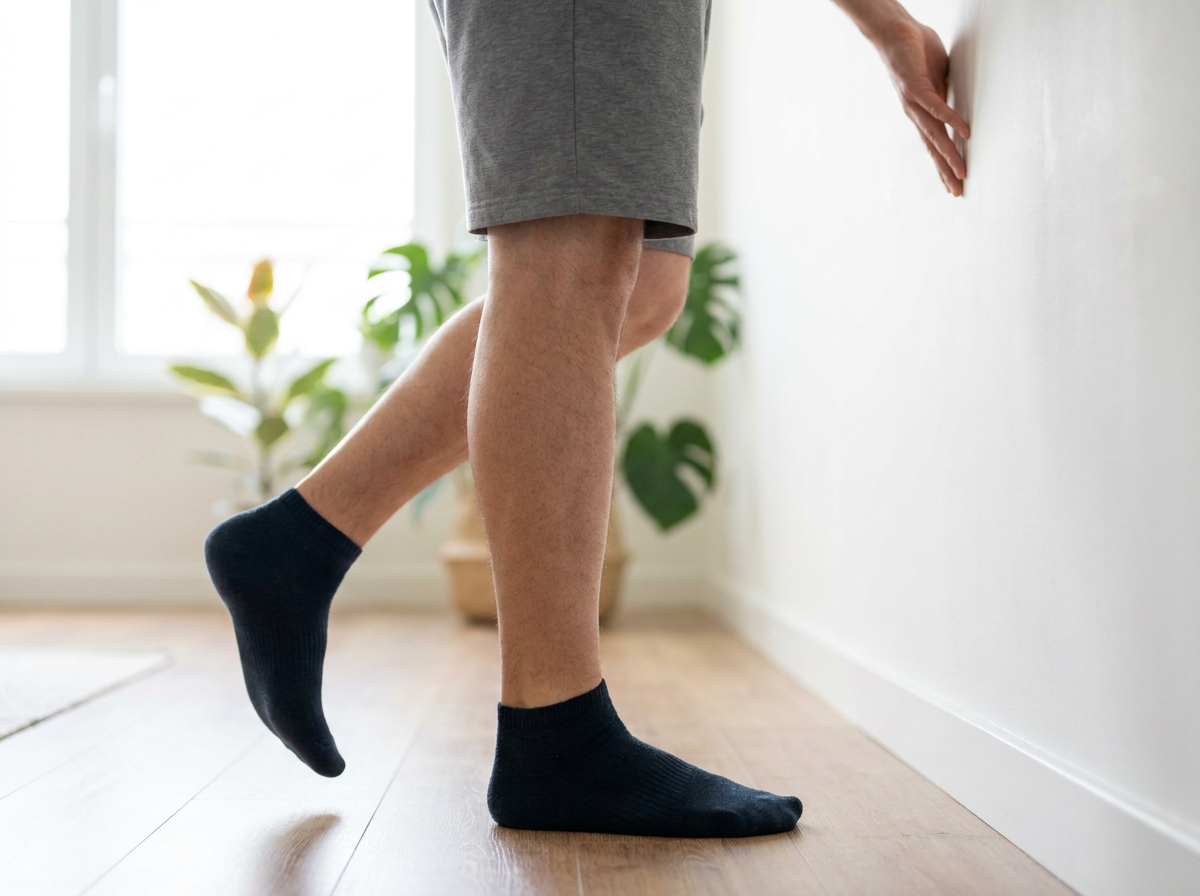
When to get checked for a stress fracture (important)
Book an assessment promptly if:
pain is sharply localised to one spot
pain persists at rest or wakes you at night
hopping is very painful
pain worsens rapidly despite reducing running
you have a history of stress fractures
What we can/can't do (honest expectations)
What we can do
confirm whether your symptoms fit shin splints vs something else
reduce pain and improve walking/running tolerance
build calf/foot capacity to prevent recurrence
create a return-to-run plan that fits your goals
help you avoid the stop-start cycle
What we can't do
promise an instant fix (tissues adapt over time)
safely clear you for running without checking response to load
guarantee it won't recur if training spikes happen again (but we can reduce risk a lot)
Book a free shin pain assessment in Chelmsford
If you're in Chelmsford, Great Baddow, Springfield, Writtle, Galleywood, Boreham or Chelmer Village and want a clear plan for shin pain, book a free assessment.
Revive Health Chelmsford
Call: 01245 956391 or 07723 503277
Website: https://www.revivehealthchelmsford.co.uk
FAQs: Shin splints
Can I run with shin splints?
Often yes with modifications, but pushing through worsening pain can prolong recovery. Walk-run intervals and reduced volume are common starting points.
How long do shin splints take to heal?
It varies. Many people improve over weeks with consistent rehab and sensible load progression. Longer-standing cases can take longer.
Do compression sleeves help?
They can feel supportive for some people, but they don't replace strengthening and load management.
Is it my shoes?
Shoes can contribute, especially if worn out or changed suddenly, but shin splints are usually a combination of load + capacity + recovery factors.
What if it keeps coming back?
Recurring shin splints often means your calf/foot capacity or training progression needs adjusting. A structured plan usually fixes the pattern.
Disclaimer: This article is for general information only and isn't a substitute for medical advice. If you're worried about your symptoms, please seek appropriate medical care.**