Sciatica Rehabilitation in Chelmsford: A Practical Recovery Plan for Nerve Pain Down the Leg (What Helps and What to Avoid)
Sciatica can be miserable. It's not just “back pain” — it can be a sharp, burning, or electric pain that travels from the lower back or buttock down the leg. It can also come with tingling, numbness, or weakness, and it often flares with sitting, bending, driving, or even simple daily tasks.
The good news: most sciatica improves with the right plan. The key is to:
understand what's irritating the nerve
calm it down early (without complete rest)
rebuild movement and strength in stages
avoid the common mistakes that keep it flaring
If you're searching for sciatica rehabilitation in Chelmsford (or nearby areas like Great Baddow, Springfield, Writtle, Galleywood, Boreham or Chelmer Village), this guide will give you a clear roadmap.

First: when sciatica needs urgent medical advice
Most sciatica is not an emergency. But seek urgent medical advice today if you have:
new bladder or bowel changes (incontinence, difficulty starting/stopping urine)
numbness in the saddle area (inner thighs/genitals)
rapidly worsening leg weakness (foot drop, can't stand on toes)
severe, unrelenting pain with fever/unwell
significant trauma (fall, accident)
If you're unsure, get checked.
What is sciatica (in plain English)?
“Sciatica” is a symptom — not a diagnosis. It usually means irritation of a nerve in the lower back/pelvis region that causes symptoms down the leg.
Sciatica can feel like:
sharp pain
burning pain
electric shocks
pins and needles
numbness
heaviness or weakness
Common causes include:
disc bulge/herniation irritating a nerve root
spinal joint irritation
muscle-related compression/irritation (less common, but possible)
stenosis (more common in older adults, often with walking-related symptoms)
A proper assessment helps identify the likely driver and the best rehab approach.
Where does your sciatica go? (pattern clues)
Sciatica patterns vary, but these clues help:
Pain into buttock and back of thigh
Often early-stage nerve irritation or referred pain patterns.
Pain below the knee into calf/foot
Often indicates stronger nerve involvement.
Tingling/numbness in a clear area
Can suggest a particular nerve root pattern (e.g., L5 or S1).
Symptoms worse with sitting and bending
Often disc-related patterns.
Symptoms worse with walking/standing (relieved by sitting)
Can suggest stenosis-type patterns (more common later in life).
A key concept: centralisation (a good sign)
A positive trend in sciatica rehab is often when symptoms move:
from foot/calf → thigh → buttock → back
That's called centralisation and often indicates the nerve irritation is settling.
What to do in the first 7 days (calm it down without freezing up)
Your goal early on is to reduce irritability and stop repeatedly triggering the nerve.
1) Use walking as your first rehab tool
For many people, walking helps:
5–10 minutes, 2–5 times/day
flat ground
stop before symptoms spike hard
Walking often reduces stiffness and improves nerve tolerance.
2) Reduce prolonged sitting (biggest trigger for many)
If you must sit:
use a small lumbar support
stand up every 20–30 minutes
avoid slumped sitting early on
consider alternating sit/stand if possible
3) Avoid repeated bending + twisting early on
For 1–2 weeks, reduce:
hoovering
laundry baskets from low positions
gardening
loading dishwasher with a rounded back
lifting from the car boot while twisted
4) Find your “settling positions”
Common comfort positions:
on your back with knees bent
side-lying with pillow between knees
short periods on your front (only if comfortable)
5) Don't aggressively stretch the nerve early on
If the nerve is highly irritable, aggressive stretching can flare symptoms. Rehab should be graded.
What to avoid (common mistakes)
complete bed rest for a week
forcing hamstring stretches that spike leg pain
doing endless “nerve stretches” into strong tingling
repeatedly testing painful movements all day
returning to heavy lifting as soon as one day feels better
What a physio assessment for sciatica should include
A thorough assessment typically checks:
symptom behaviour (sitting, bending, walking, coughing/sneezing)
neurological screen (strength, reflexes, sensation)
movement testing (which directions help/flare)
hip mobility and trunk control
red flag screening
a staged rehab plan with clear progressions and flare-up rules

Sciatica rehab: the 4-stage plan (simple and practical)
Stage 1: Settle irritability + restore basic movement (Days 1–14)
Goals:
reduce leg pain intensity/frequency
improve walking tolerance
find movements that centralise symptoms
reduce fear and guarding
Common components:
short frequent walks
gentle repeated movements (often extension-based for many people, but not always)
breathing/bracing basics
hip mobility within comfort
Progress signs:
leg symptoms are less intense or less frequent
you can sit a bit longer
symptoms centralise (move up the leg)
Stage 2: Rebuild control and endurance (Weeks 2–6)
Goals:
improve trunk endurance
restore hip hinge mechanics
increase daily tolerance (work, driving, chores)
Common components:
core endurance work (anti-rotation, anti-extension)
glute strength and hip control
controlled hinge drills
graded return to bending/lifting
Stage 3: Build strength for real life (Weeks 6–12+)
Goals:
tolerate lifting/carrying
return to gym strength safely
reduce recurrence risk
Common components:
loaded hinge progressions
squats/lunges as tolerated
carries
conditioning
Stage 4: Return to sport/high demand
Goals:
running/sport-specific tolerance
rotation and speed capacity
maintenance plan 2x/week
Sciatica exercises: what usually helps (general guidance)
The “best” exercises depend on what reduces your symptoms and improves function.
1) Directional preference movements (if you have them)
Some people feel better with:
gentle extension-based movements
Others feel better with:
gentle flexion-based movements
Assessment helps identify which is best for you.
2) Nerve glides (not aggressive stretches)
A nerve glide is a gentle “mobilisation,” not a hard stretch.
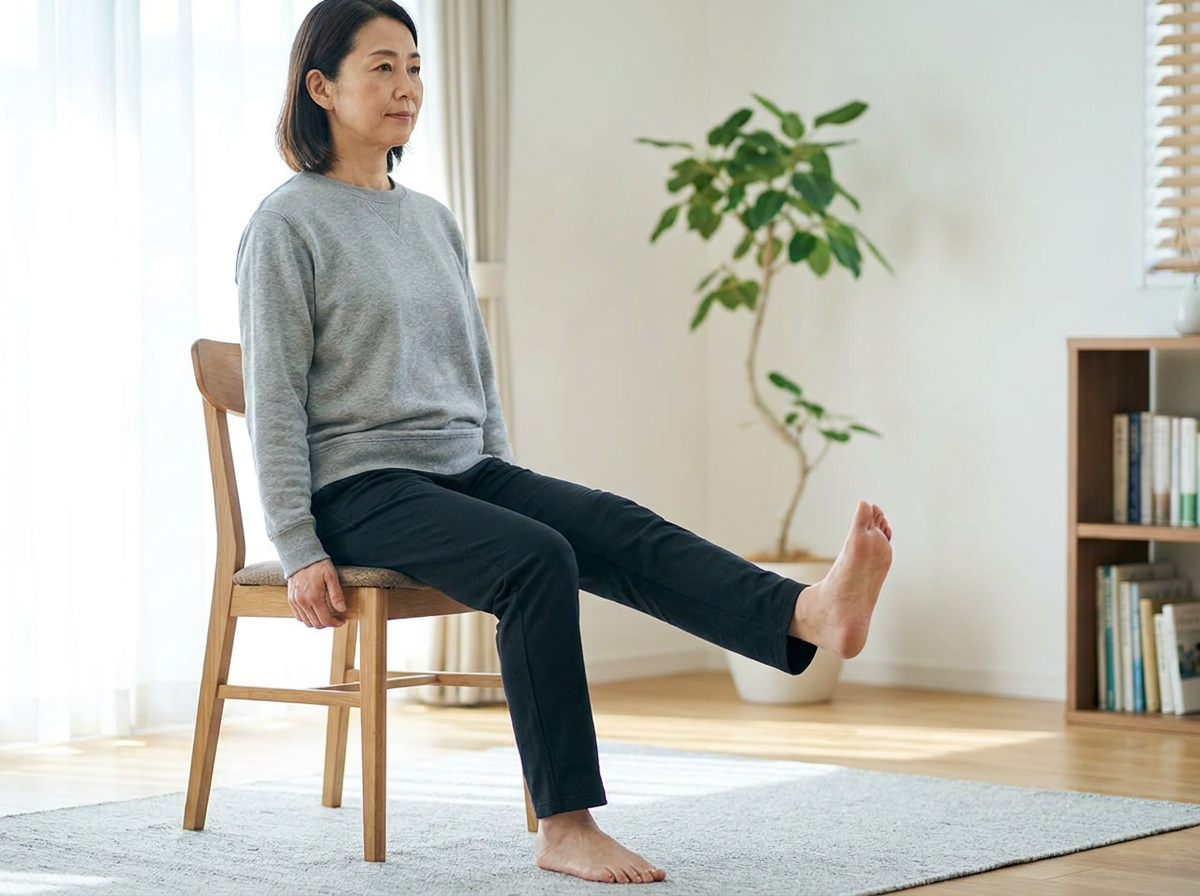
Important: If nerve glides increase symptoms significantly or symptoms linger afterwards, stop and get assessed.
3) Core endurance (the “back insurance”)
Think:
controlled, steady endurance
not max sit-ups or aggressive twisting
4) Glute and hip strength
Often helps reduce repeated overload on the lower back and improves movement confidence.
How long does sciatica take to heal?
It varies depending on cause and irritability, but rough guide:
noticeable improvement often in 2–6 weeks with the right plan
stronger, more resilient return to full activity often 8–12+ weeks
if symptoms have been present for months, it can take longer — but rehab still helps
Do you need an MRI?
Many people don't need imaging immediately.
Imaging is more likely to be considered if:
severe symptoms aren't improving
there's significant or worsening weakness
red flags are present
you're considering specialist interventions
A physio can advise based on your presentation.
What we can/can't do (honest expectations)
What we can do
confirm whether symptoms fit a sciatica/nerve irritation pattern
reduce pain and improve function with a staged plan
guide return to bending, lifting, gym, and sport
help you manage flare-ups without losing momentum
What we can't do
replace urgent medical assessment when red flags are present
guarantee a fixed timeline (nerves settle at different rates)
Book a free assessment in Chelmsford
If you're in Chelmsford, Great Baddow, Springfield, Writtle, Galleywood, Boreham or Chelmer Village and want a clear sciatica rehabilitation plan (especially if you have leg pain, tingling, or numbness), book a free assessment.
Revive Health Chelmsford
Call: 01245 956391 or 07723 503277
Website: https://www.revivehealthchelmsford.co.uk
FAQs: Sciatica rehabilitation
Should I rest or keep moving?
Usually keep moving in a pain-smart way. Walking and gentle movement often help more than bed rest.
Should I stretch my hamstrings?
Be careful early on — hamstring stretching can flare nerve symptoms. Get assessed for the right approach.
Are nerve glides safe?
Often yes if done gently and they don't increase symptoms. They should not create strong lingering tingling.
Why is sitting so painful?
Sitting often increases disc pressure and nerve sensitivity in many sciatica patterns.
Can physio help sciatica?
Yes — especially with a staged plan, movement testing, strength rebuild, and flare-up rules.
Disclaimer: This article is for general information only and isn't a substitute for medical advice. If you're worried about your symptoms, please seek appropriate medical care.