Rotator Cuff Injuries in Chelmsford: Symptoms, What to Do First, and a Clear Rehab Plan (So You Can Lift Your Arm Again)
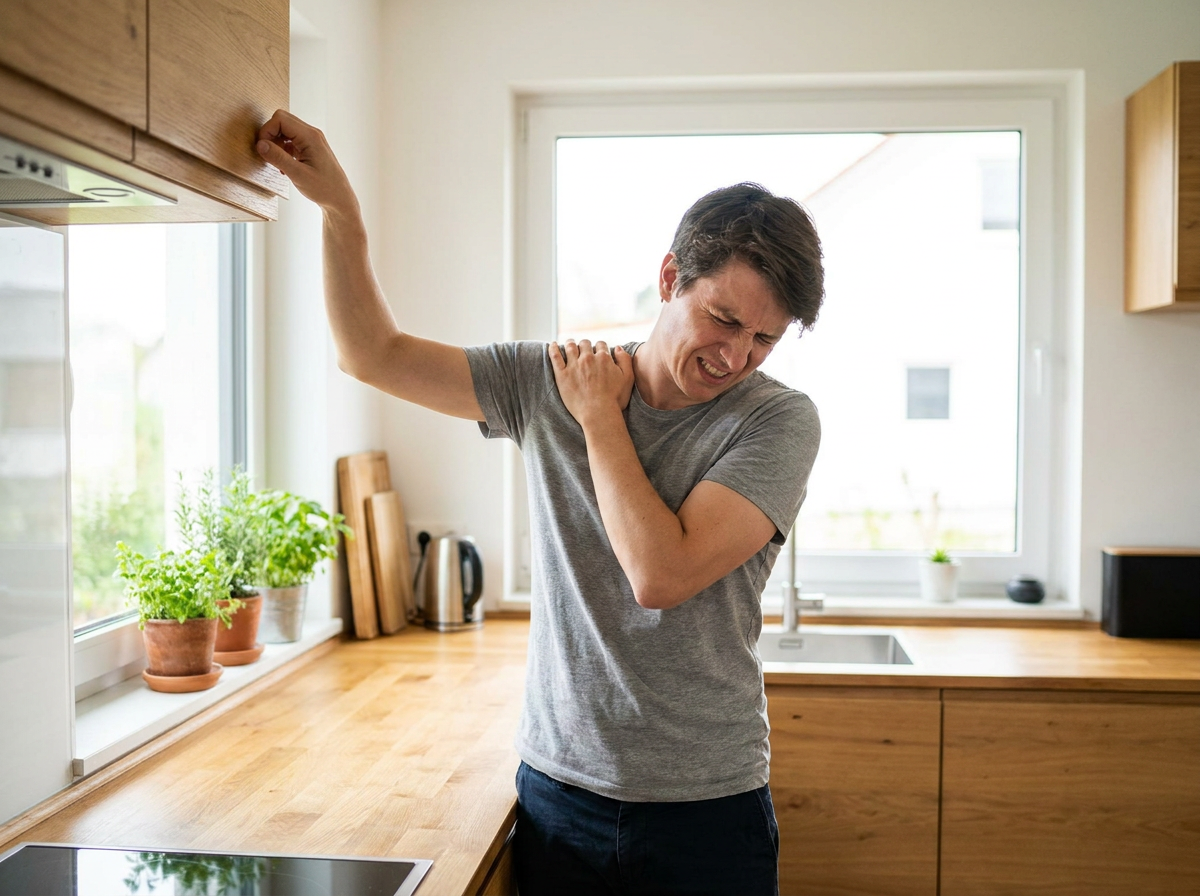
Rotator cuff pain is one of the most common reasons people struggle with everyday shoulder tasks — reaching into cupboards, putting on a coat, lifting at the gym, or sleeping on one side. It can feel sharp, achy, or like a “pinch” in the shoulder, and it often flares when you lift the arm out to the side or overhead.
The reassuring part: most rotator cuff problems are very treatable with the right plan. Even when imaging shows a “tear,” many people still improve massively with structured rehab.
If you're searching for rotator cuff injury physio in Chelmsford (or nearby areas like Great Baddow, Springfield, Writtle, Galleywood, Boreham or Chelmer Village), this guide covers:
what the rotator cuff is (in plain English)
common symptoms and causes
what to do in the first 7 days
what to avoid (so you don't keep flaring it)
rehab stages and return-to-gym guidance
when to get assessed sooner
First: when shoulder pain needs urgent medical assessment
Seek urgent medical advice if you have:
a fall/trauma with inability to lift the arm afterwards
a visibly deformed shoulder
severe pain with fever/unwell (infection concern)
rapidly worsening numbness/weakness down the arm
sudden swelling/redness with severe pain
Otherwise, most rotator cuff injuries are suitable for physiotherapy assessment and a structured rehab plan.
What is the rotator cuff?
The rotator cuff is a group of four muscles and their tendons that stabilise the shoulder joint and help control arm movement:
Supraspinatus (often involved in “painful arc” lifting)
Infraspinatus (external rotation strength)
Teres minor (external rotation support)
Subscapularis (internal rotation strength)
Their job is less about “big power” and more about:
keeping the shoulder joint centred
controlling movement smoothly
providing endurance for repeated reaching/lifting
That's why rotator cuff issues often show up with:
repetitive overhead work
gym pressing/pulling volume
long desk days + poor shoulder blade endurance
sudden spikes in activity (DIY, gardening, decorating)
Common rotator cuff injury symptoms
People often report:
shoulder pain when lifting the arm out to the side
pain reaching overhead or behind the back
pain putting on a coat or bra
night pain (especially lying on that side)
weakness that feels “pain-limited”
a painful arc (pain between roughly shoulder height and overhead)
pain after activity or the next day
Important: “weakness” can be true weakness, or it can be the body switching off strength because of pain. Assessment helps clarify.
Rotator cuff tear vs tendinopathy vs bursitis (what's the difference?)
These terms get thrown around a lot.
Rotator cuff tendinopathy (“tendon overload”)
Often:
gradual onset
worse with certain lifts or gym work
improves with progressive strengthening
Bursitis
Often:
sharper pain with lifting
more night pain
can flare after overload
Still often improves with load management + rehab.
Rotator cuff tear
Tears can be:
acute (after a fall)
or degenerative (age-related changes over time)
Key point: many people have partial tears on scans and function perfectly well. Symptoms and function matter more than scan wording.
Why rotator cuff injuries happen (common triggers)
1) Sudden increase in load
more gym sessions
heavier pressing
lots of overhead work
returning after time off
2) Repetitive reaching and lifting
Even light loads can irritate tendons if repeated for long periods.
3) Poor shoulder blade endurance
If the shoulder blade muscles fatigue, the rotator cuff can become overloaded.
4) Upper back stiffness (thoracic spine)
A stiff upper back can force the shoulder to do more work to reach overhead.
5) Sleep and stress
Poor sleep reduces tissue recovery and increases pain sensitivity.
What to do in the first 7 days (practical steps)
The goal is to calm the flare while keeping the shoulder moving safely.
1) Reduce the sharp aggravators (temporarily)
For 7–14 days, reduce:
heavy overhead lifting
painful lateral raises
heavy bench/shoulder press if it spikes pain
long periods of reaching above shoulder height
You're not “resting forever” — you're reducing the irritant while you start rehab.
2) Keep the shoulder moving little and often
Gentle movement helps prevent stiffness:
comfortable range arm lifts
wall slides (if tolerated)
pendulum swings (if soothing)
Avoid forcing sharp pain.
3) Improve sleep positioning (big win)
If it hurts to lie on that side:
lie on the other side with a pillow supporting the sore arm in front
or lie on your back with a pillow under the arm
avoid letting the arm hang forward unsupported
4) Start pain-smart strength early (key)
Early strengthening often helps more than endless stretching.
What to avoid (common mistakes)
stretching hard into sharp pinching pain overhead
pushing through heavy pressing because “it needs strengthening”
doing random rotator cuff exercises with poor form and high pain
stopping all movement for weeks (often increases stiffness)
chasing a perfect posture all day (movement variety matters more)
What a physio assessment should include
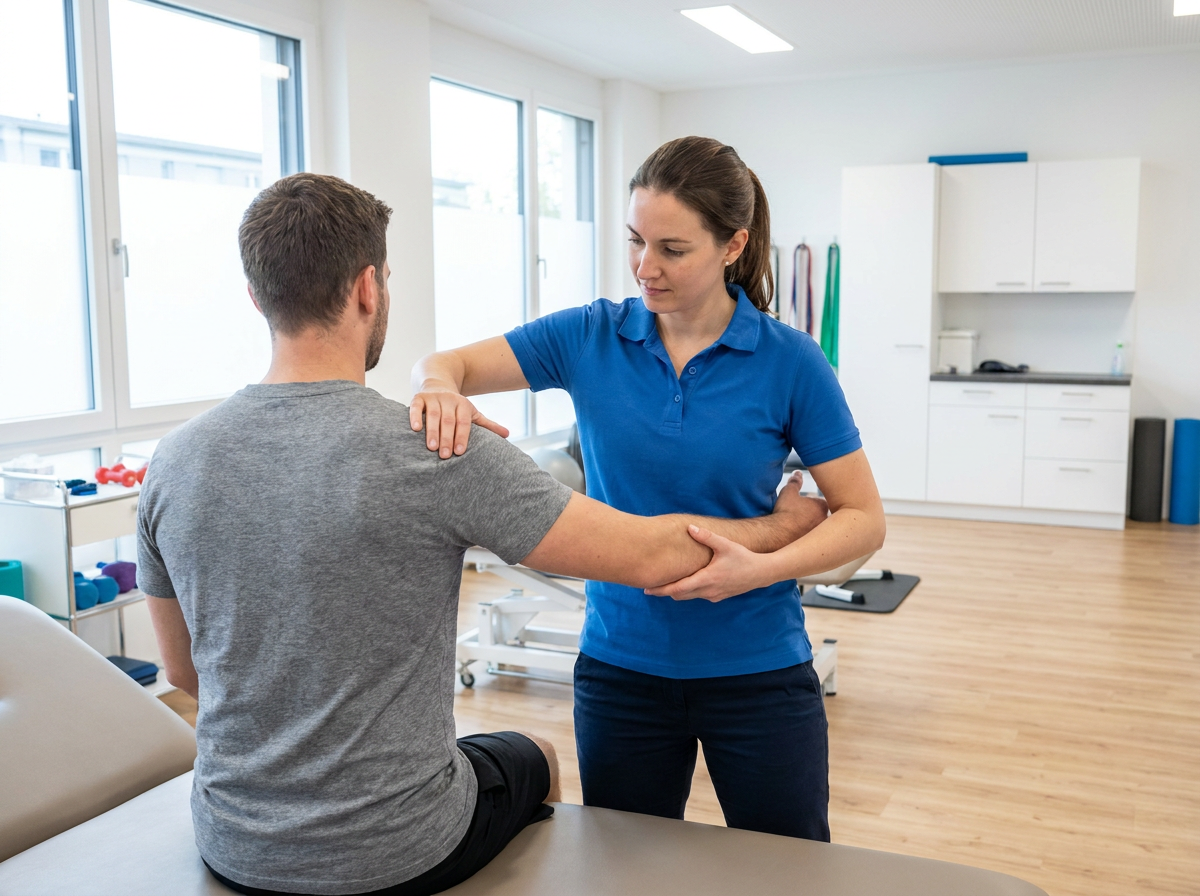
A thorough rotator cuff assessment typically checks:
shoulder range of motion (active and passive)
rotator cuff strength tests (external rotation, abduction, etc.)
shoulder blade control and endurance
upper back mobility
neck screening (sometimes neck refers pain to shoulder)
load history (gym, work, DIY)
a clear rehab plan with progressions
Rotator cuff rehab: the 3-phase plan
Phase 1: Calm pain + restore comfortable movement (Weeks 0–3-ish)
Goals:
reduce pain and night irritation
restore comfortable range
start low-load strengthening
Common components:
isometrics (pain-calming holds)
gentle range work
scapular control basics
Phase 2: Build strength and endurance (Weeks 3–10-ish)
Goals:
strengthen rotator cuff and shoulder blade muscles
improve overhead tolerance gradually
return to daily tasks without flare-ups
Common components:
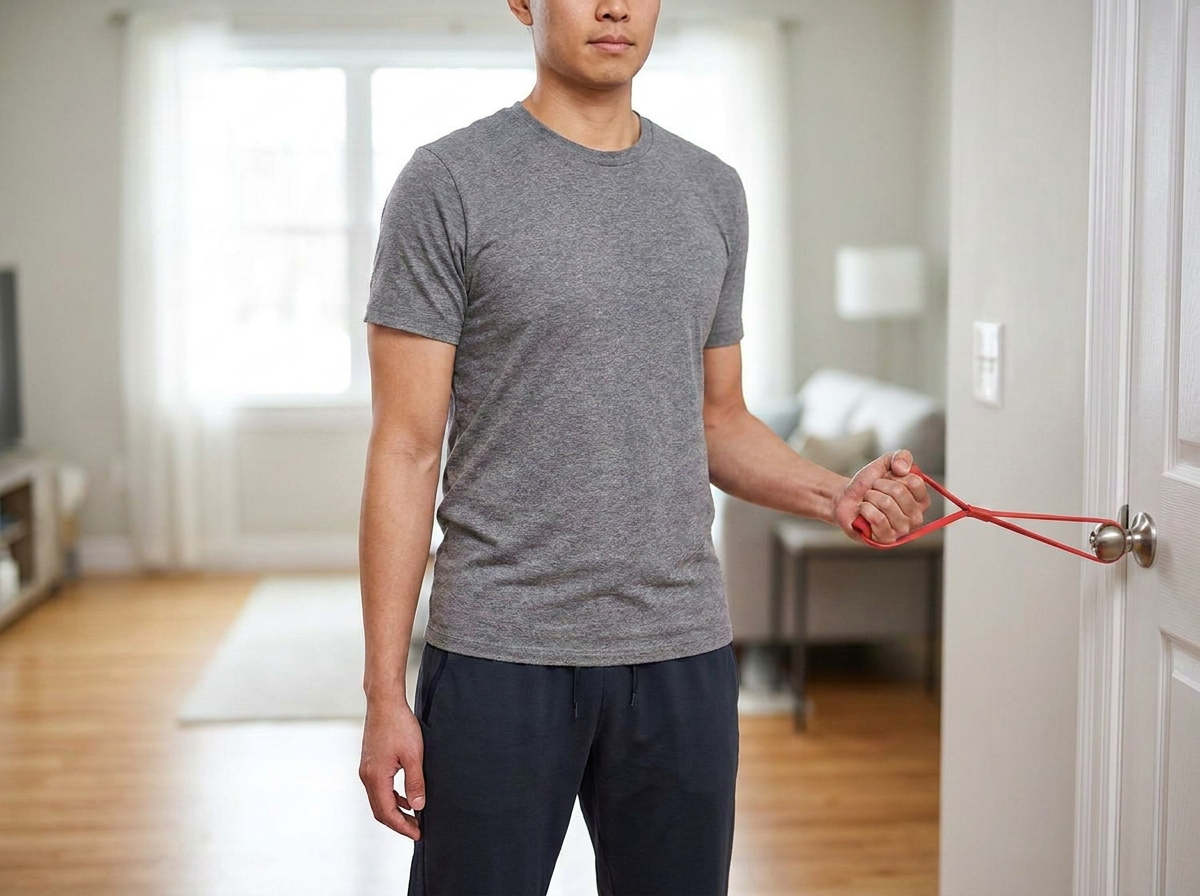
banded external rotation
rowing variations
serratus/lower trap work
gradual overhead loading
Phase 3: Return to full activity (gym/sport/work)
Goals:
overhead work capacity
pressing and pulling progressions
resilience for busy weeks
Common components:
progressive dumbbell work
controlled overhead pressing (when ready)
sport/work-specific drills
Exercises that often help (general guidance)
Your exact plan depends on irritability and range, but these are common building blocks.
1) External rotation strengthening (band)
This is a staple for many rotator cuff problems.
2) Scapular (shoulder blade) endurance
Think:
controlled retraction/depression
avoid shrugging
build endurance gradually
3) Gradual overhead exposure
Start below shoulder height, then build up.
4) Upper back mobility (if stiff)
Improving thoracic movement can reduce shoulder overload.
If you tell me which movement is worst — lifting out to the side, reaching overhead, or reaching behind your back — I can tailor the rehab emphasis and FAQs to match your pattern.
How long does a rotator cuff injury take to heal?
Rough guide (varies a lot):
noticeable improvement often in 2–6 weeks with consistent rehab
stronger, more resilient shoulder often 8–12+ weeks
long-standing issues can take longer, but still improve with the right plan
If pain is not improving steadily after a few weeks, or night pain is severe and persistent, get assessed.
Do you need a scan?
Often not initially.
Imaging may be considered if:
there was trauma and you can't lift the arm
there's significant true weakness
symptoms aren't improving with appropriate rehab
there's concern about a larger tear or other pathology
A physio can advise based on your presentation.
What we can/can't do (honest expectations)
What we can do
identify whether your pain fits rotator cuff tendinopathy/bursitis vs stiffness patterns
reduce pain and improve sleep
rebuild strength and overhead tolerance safely
guide return to gym/sport with progressions
reduce recurrence risk with a realistic plan
What we can't do
guarantee a single treatment will fix it without rehab
guarantee a scan will “solve the mystery” (many findings are normal age-related changes)
Book a free assessment in Chelmsford
If you're in Chelmsford, Great Baddow, Springfield, Writtle, Galleywood, Boreham or Chelmer Village and want a clear plan for a rotator cuff injury (especially if it's affecting sleep or lifting your arm), book a free assessment.
Revive Health Chelmsford
Call: 01245 956391 or 07723 503277
Website: https://www.revivehealthchelmsford.co.uk
FAQs: Rotator cuff injuries
Is rotator cuff pain the same as shoulder impingement?
They overlap. Many “impingement” cases are rotator cuff-related pain plus tendon/bursa sensitivity. Rehab principles are similar.
Should I stop using my arm?
Usually no. Reduce sharp aggravators temporarily, but keep the shoulder moving and start pain-smart strengthening.
Why is it worse at night?
Night pain is common because of compression/positioning and increased sensitivity. Sleep setup changes + rehab usually help.
Can I still go to the gym?
Often yes, but modify exercises and avoid painful overhead/pressing early on. A physio can guide safe substitutions.
Do rotator cuff tears always need surgery?
Not always. Many people do very well with rehab, depending on tear type, symptoms, and goals.
Disclaimer: This article is for general information only and isn't a substitute for medical advice. If you're worried about your symptoms, please seek appropriate medical care.