Plantar Fasciitis vs Heel Spur in Chelmsford: What's Actually Causing Your Heel Pain?
If you've ever had an X-ray and been told you have a heel spur, it's completely normal to assume that the spur is the reason your heel hurts. But here's the key point:
Many people have heel spurs with no pain at all.
And many people have classic “plantar fasciitis” heel pain with no heel spur.
So what's the difference — and what should you do if you've got heel pain in the morning, pain under the heel when walking, or a heel that aches after being on your feet?
If you're searching for plantar fasciitis vs heel spur in Chelmsford (or nearby areas like Great Baddow, Springfield, Writtle, Galleywood, Boreham or Chelmer Village), this guide will help you:
understand what a heel spur actually is
understand what plantar fascia pain usually is (and why it hurts in the morning)
work out which pattern fits your symptoms
know what to do in the first 7 days
avoid common mistakes that keep it flaring
know when to book a physio assessment
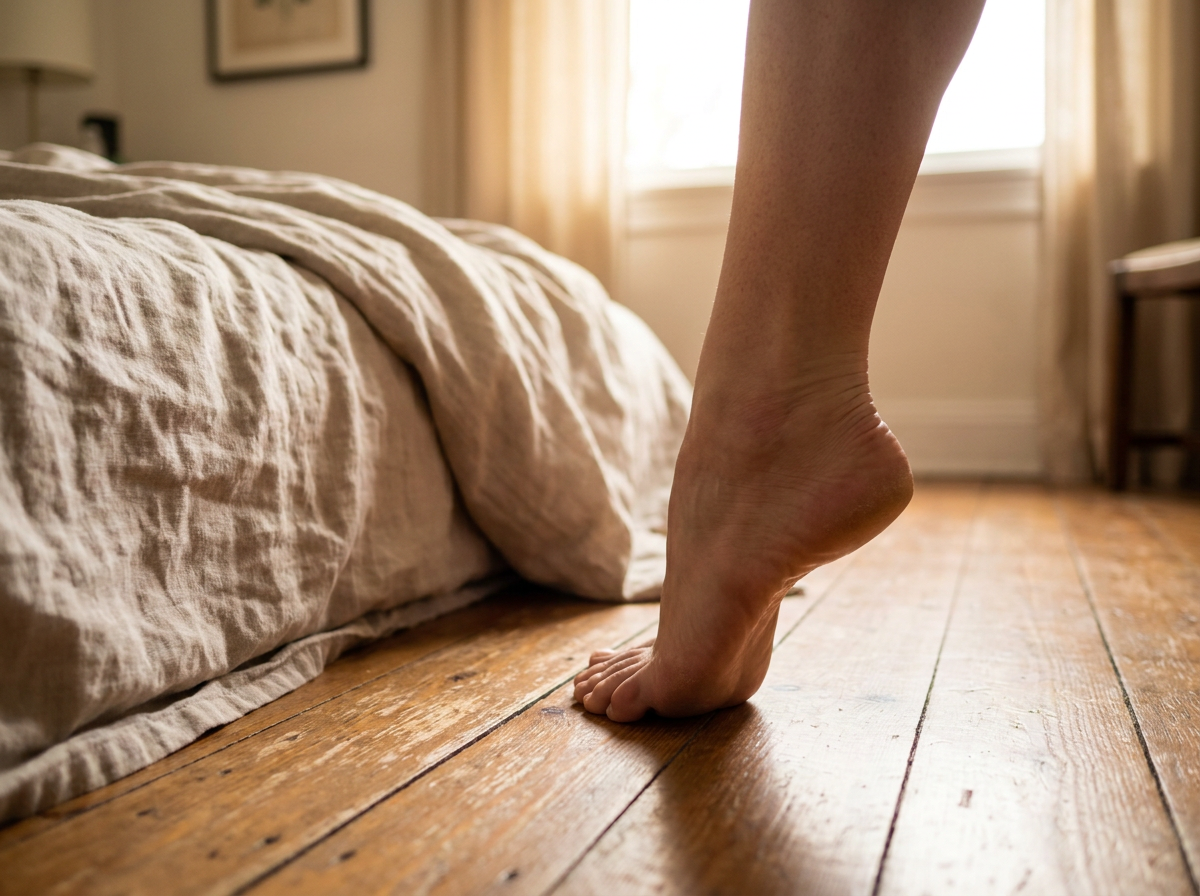
First: what is a heel spur?
A heel spur is a small bony growth (a bit like a “hook” or “point”) that can develop on the heel bone (calcaneus). It's often seen on X-ray.
Important truths about heel spurs:
They can develop over time due to repeated pulling/load where tissues attach.
They are common, especially as we get older.
They are often an incidental finding (meaning: it shows up on imaging but isn't necessarily the cause of pain).
Why heel spurs don't always hurt
Pain is usually driven by irritated/overloaded soft tissue, not the spur itself. Think of the spur as a “sign of history” — it may show the area has been under load for a long time, but it doesn't automatically mean it's stabbing you from the inside.
What is plantar fasciitis (and why the name can be misleading)?
The plantar fascia is a thick band of connective tissue along the bottom of the foot. It helps support the arch and manage load during walking, standing, running and jumping.
“Plantar fasciitis” is commonly used to describe pain in that region, but many cases are better thought of as:
plantar fascia overload / irritation, and
a capacity vs demand problem (your foot/calf system can't currently tolerate the load you're asking of it)
So even if you've been told “it's inflammation,” the most effective long-term approach is usually:
manage load (steps/standing/hills)
rebuild strength and endurance (especially calves + foot)
progress gradually back to full activity
Symptom patterns: heel spur pain vs plantar fascia pain
Pattern that fits plantar fascia pain (very common)
pain under the heel or inner heel
worse on first steps in the morning
worse after sitting, then standing
warms up as you move, then can ache later after longer standing/walking
tender at the inner heel/arch area
Pattern that might fit a more “heel spur dominant” story
This is trickier, because spurs often coexist with plantar fascia pain. But some people describe:
a more local, point-specific pain under the heel
pain that feels like “stepping on a stone”
pain that is very sharp with direct pressure
Even then, the driver is often still soft tissue sensitivity around the attachment, not the spur itself.
Other causes of heel pain that can mimic plantar fascia
It's worth mentioning, because treatment can differ:
fat pad irritation (feels like a deep bruise in the centre of the heel)
Achilles insertional pain (back of heel)
nerve irritation (burning/tingling, pins and needles)
stress reaction/fracture (especially after a big activity increase)
If your symptoms don't match the classic pattern, an assessment is smart.
Why does it hurt most in the morning?
That “first steps are awful” feeling happens because:
the plantar fascia stiffens when you rest
then you suddenly load it when you stand up
it warms up as you move
later, it can ache again if it's been overloaded
This is one of the most reliable clues that the plantar fascia is involved.
What causes plantar fascia pain to start (or keep coming back)?
Most cases come down to a mismatch between demand and capacity.
Common triggers we see in Chelmsford patients
Sudden increase in steps
holidays, events, busy work weeks, “getting my steps in”
Long standing on hard floors
retail, healthcare, busy home days, lots of cooking/cleaning
Footwear changes
worn-out trainers
lots of barefoot time indoors
switching quickly to very flat/minimal shoes
Return to running
hills, speed work, sudden mileage increases
Reduced calf strength/endurance
a big one: if calves fatigue quickly, the foot often takes extra load
What to do in the first 7 days (calm it down without losing progress)
If your heel is flared right now, the goal is to reduce irritation while keeping things moving.
1) Set a “walking baseline”
Pick a daily walking amount that:
doesn't spike pain during the walk, and
doesn't cause a big next-day flare
Then hold that baseline for a few days before building.
This breaks the “boom-bust cycle”:
flare → rest → feel better → big walk → flare again
2) Wear supportive footwear (especially indoors)
During a flare, many people do better with:
cushioned supportive trainers
supportive indoor footwear rather than barefoot on hard floors
This isn't forever — it's a short-term strategy to reduce irritation.
3) Use symptom relief tools wisely
Helpful for comfort (but not the whole solution):
gentle massage around the arch (not aggressive on the sore spot)
ice or heat depending on preference
short-term pain relief advice from a pharmacist if appropriate
4) Gentle calf/ankle mobility (not forced stretching)
Gentle mobility can reduce load on the plantar fascia. Avoid forcing painful stretches into the heel early on.
5) Start strength early (this is usually the long-term fix)
Most people improve best when they build capacity in:
calves (strength + endurance)
intrinsic foot muscles (arch support)
gradual tolerance to walking load
What to avoid (common mistakes that keep it flaring)
walking barefoot on hard floors during a flare
long walks “to stretch it out”
aggressive rolling on a very sore heel (can irritate)
only stretching and not strengthening
sudden switch to minimalist shoes
returning to hills/running too quickly
Do you need an X-ray if you suspect a heel spur?
Not always.
Imaging can be useful if:
symptoms are unusual
there's a history of trauma
pain is severe and not improving
there are red flags (see below)
But for classic plantar fascia symptoms, many people improve with a structured plan without needing imaging.
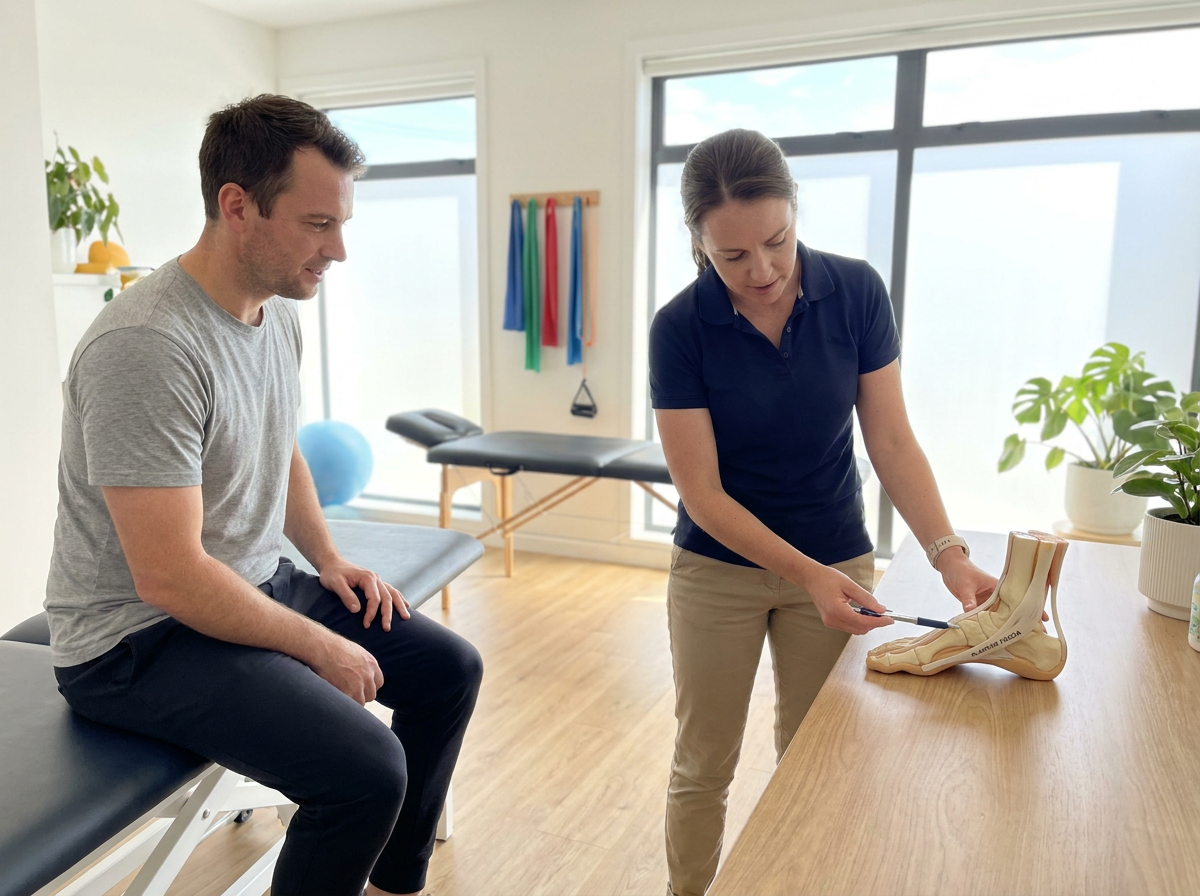
What a physio assessment should include
A thorough assessment for heel pain should check:
exact pain location and pattern (morning vs activity-related)
ankle range of motion (especially dorsiflexion)
calf strength and endurance
foot strength and arch control
walking mechanics
footwear and load history
screening for nerve or other causes if needed
a clear plan with progressions and milestones
How physio treatment usually helps (the roadmap)
Phase 1: Calm symptoms + stop flare-ups
set a walking baseline
footwear guidance
gentle mobility where appropriate
start foundational strength without flaring pain
Phase 2: Build strength and endurance (calf + foot)
Often includes:
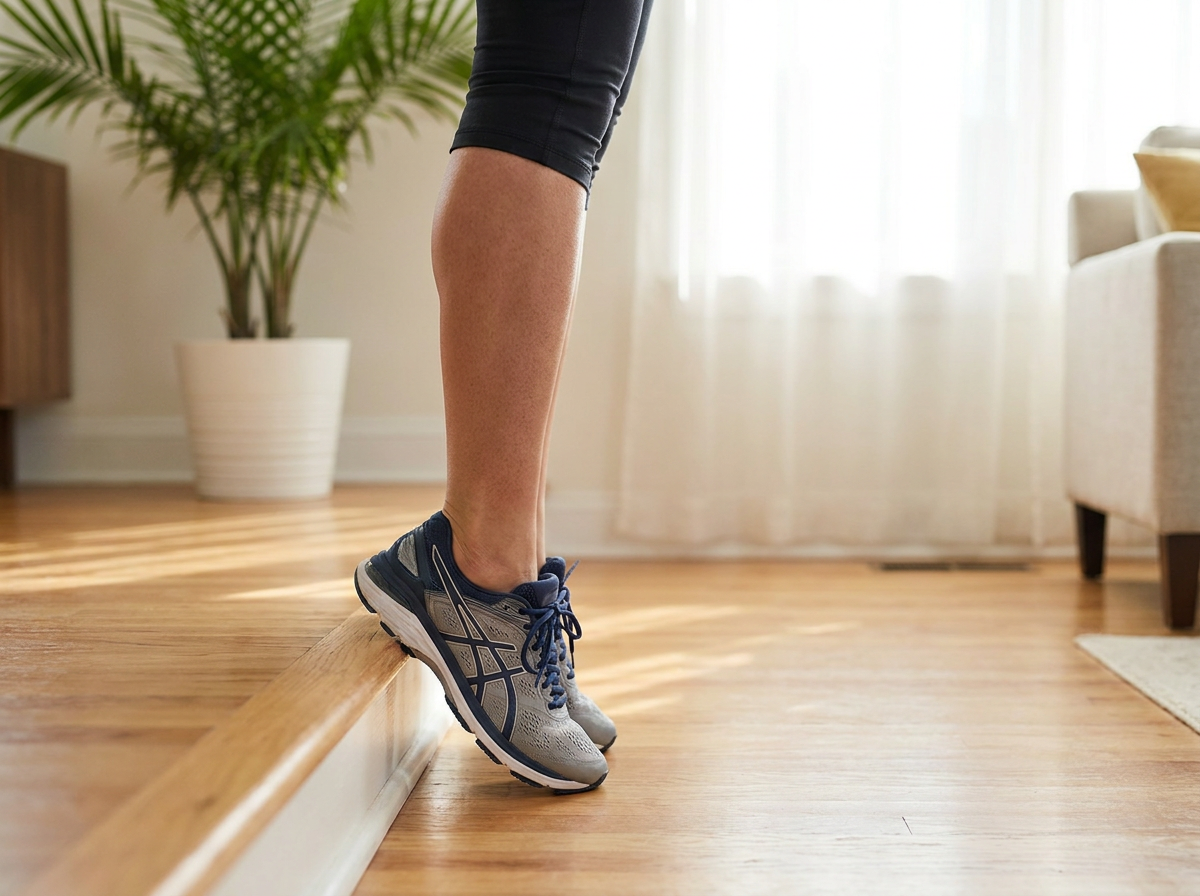
calf raises (straight-knee and bent-knee)
progressive loading for plantar fascia tolerance
intrinsic foot strengthening (arch control)
balance/control work if needed
Phase 3: Return to full activity
reintroduce longer walks and hills
return to running (if relevant) with a graded plan
prevention strategy to reduce recurrence risk
“What we can/can't do” (honest expectations)
What we can do
work out whether your symptoms fit plantar fascia pain, fat pad irritation, Achilles insertion, or another pattern
reduce pain and improve walking tolerance
rebuild calf/foot capacity to prevent recurrence
guide a safe return to longer walks, hills and running
give you a clear plan with checkpoints
What we can't do
promise an instant fix (capacity building takes time)
“treat it away” without progressive rehab
diagnose every cause without assessment (some overlap)
When to get assessed sooner (red flags)
Seek urgent medical advice if you have:
inability to weight-bear after injury
hot/red swollen foot with fever/unwell
rapidly worsening numbness/tingling
severe night pain or unexplained symptoms
Book a free assessment in Chelmsford
If you're in Chelmsford, Great Baddow, Springfield, Writtle, Galleywood, Boreham or Chelmer Village and want a clear plan for heel pain, book a free assessment.
Revive Health Chelmsford
Call: 01245 956391 or 07723 503277
Website: https://www.revivehealthchelmsford.co.uk
FAQs: Plantar fasciitis vs heel spur
If I have a heel spur, does that mean I'll need surgery?
Almost never. Most heel pain improves with load management, footwear support during flares, and progressive strengthening.
Can a heel spur go away?
Bony changes don't usually “disappear,” but symptoms can improve significantly even if the spur remains.
Why does it feel like I'm stepping on a stone?
That sensation can happen with plantar fascia irritation, fat pad irritation, or local sensitivity. Assessment helps identify the driver.
Should I stretch my foot a lot?
Gentle mobility can help, but aggressive stretching into sharp heel pain can flare symptoms. Strength and load management are usually more important.
How long does it take to improve?
It varies, but many people improve over weeks with consistent rehab and sensible load progression — especially when the boom-bust cycle is broken.
Disclaimer: This article is for general information only and isn't a substitute for medical advice. If you're worried about your symptoms, please seek appropriate medical care.