Pelvic Pain Treatment in Chelmsford: What It Might Be, What Helps, and When to Get It Checked
Pelvic pain can be worrying and confusing — partly because “the pelvis” isn't one single structure. Pain in the pelvic region can come from the hip, pubic joint, SI joint, muscles/tendons (groin/adductors, hip flexors, glutes, abdominal wall), nerves, or sometimes from non-musculoskeletal causes that need medical assessment.
People often describe pelvic pain as:
a deep ache in the lower abdomen or pubic area
sharp pain at the front of the pelvis (pubic bone)
pain into the groin or inner thigh
pain in the hip crease (front of hip)
pain around the back of the pelvis/buttock (SI region)
pain that flares with walking, running, stairs, rolling in bed, or standing on one leg
If you're searching for pelvic pain treatment in Chelmsford (or nearby areas like Great Baddow, Springfield, Writtle, Galleywood, Boreham or Chelmer Village), this guide will help you understand the most common musculoskeletal causes, what you can do now, what to avoid, and when to book a free assessment.
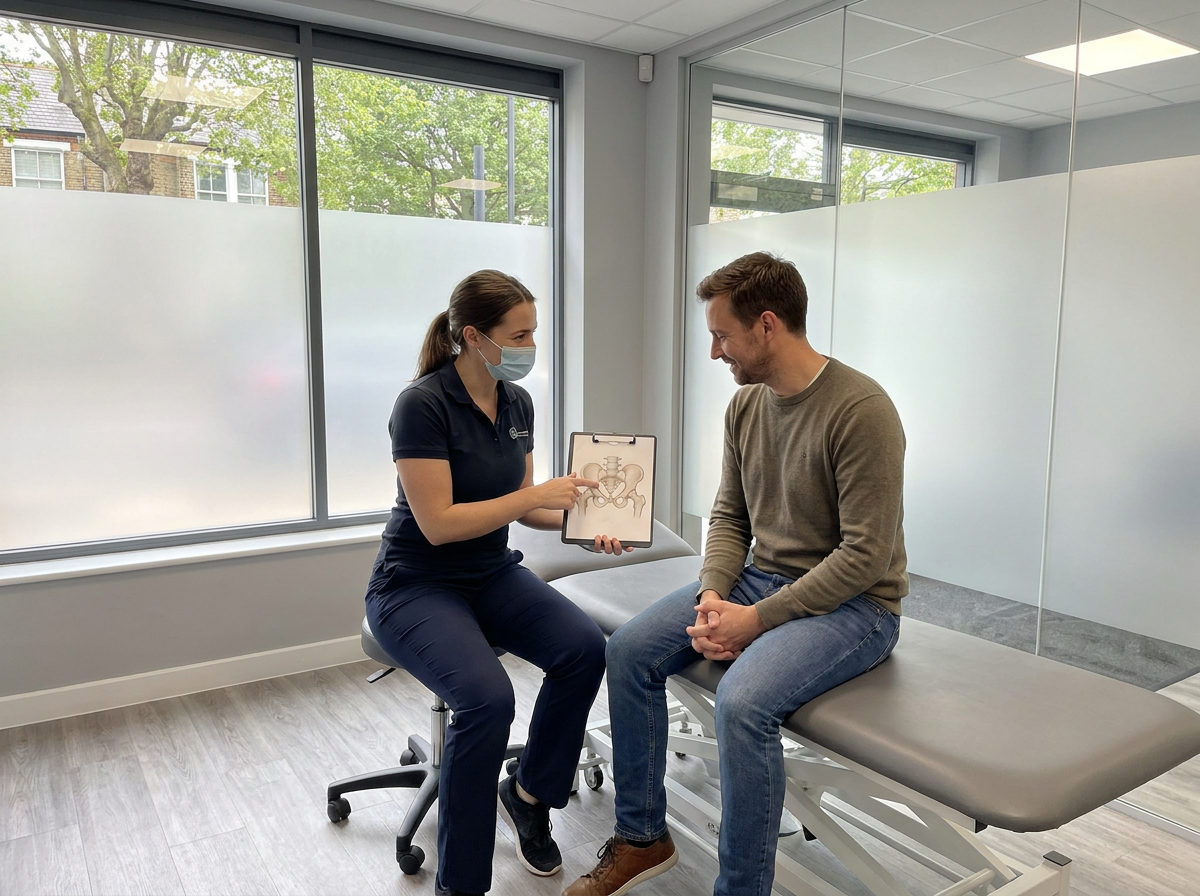
Quick safety check: when pelvic pain needs urgent medical advice
Because pelvic pain can sometimes be caused by non-musculoskeletal issues, please seek urgent medical advice if you have:
severe, sudden pelvic/abdominal pain
fever, chills, feeling unwell
unexplained vaginal bleeding, pregnancy concerns, or severe period-related symptoms that are new/worsening
pain with urination, blood in urine, or suspected kidney infection
unexplained weight loss, night sweats, or persistent night pain
numbness in the groin/saddle area, or changes in bladder/bowel control
recent trauma (fall/accident) with inability to weight-bear
If you're unsure, it's always safer to get checked.
Step 1: Where exactly is your pelvic pain? (This changes the plan)
In clinic, one of the first things we do is map the pain. Different areas often point to different drivers.
A) Front of pelvis / pubic bone pain
Often linked to:
adductor (groin) tendon overload
pubic symphysis irritation
abdominal wall or hip flexor overload
“groin strain” patterns (especially in runners and field sports)
Typical aggravators:
stairs, turning in bed
getting in/out of the car
running, especially faster pace or hills
side steps, lunges, change-of-direction
B) Hip crease / groin pain
Often linked to:
hip joint irritation
hip flexor tendon overload
adductor overload
reduced hip control/strength
Typical aggravators:
sitting then standing
squats, lunges, getting out of low chairs
running (especially hills)
twisting and pivoting
C) Back of pelvis / SI region pain
Often linked to:
SI joint sensitivity
gluteal overload
lumbar spine referral
load transfer issues (single-leg tasks)
Typical aggravators:
rolling in bed
single-leg standing (getting dressed)
long walks
lifting/twisting
D) Lower abdominal / deep pelvic ache
This can be musculoskeletal (abdominal wall, hip flexors, pelvic floor involvement), but it also has a wider medical differential — so assessment is important.
Step 2: Common musculoskeletal causes of pelvic pain (and what they feel like)
Pelvic pain is a region, not a diagnosis. Here are the patterns we commonly see.
1) Adductor (groin) tendinopathy or strain
Common symptoms:
pain high in the inner thigh near the pubic bone
pain with side steps, getting out of the car, turning quickly
pain when squeezing knees together
pain after running (or the next day)
Common triggers:
sudden increase in running volume
speed work, hills
change-of-direction sports
heavy adductor loading too soon (wide squats, lateral lunges)
What tends to help:
graded adductor strengthening
reducing “spike” activities temporarily
improving hip and trunk control
2) Hip flexor overload (iliopsoas / rectus femoris)
Common symptoms:
pain in the hip crease or front of pelvis
worse with stairs, uphill walking, getting up from sitting
sometimes clicking/snapping sensations (not always painful)
Common triggers:
lots of sitting + sudden activity
running hills or fast strides
gym work (leg raises, heavy squats) without graded build-up
What tends to help:
controlled hip flexor loading (not just stretching)
improving hip extension capacity and glute strength
adjusting training load
3) SI joint sensitivity / pelvic load transfer pain
Common symptoms:
deep ache around one side of the lower back/buttock
pain with rolling in bed, single-leg standing, longer walks
can feel “stuck” or unstable (even when it isn't structurally unstable)
Common triggers:
sudden increase in walking/standing
lifting/twisting
fatigue and reduced hip/pelvic control
What tends to help:
restoring confidence with movement
glute and trunk strengthening
graded walking plan and load management
4) Pubic symphysis irritation (including pelvic girdle pain patterns)
Common symptoms:
pain right at the front of the pelvis/pubic bone
worse with stairs, turning in bed, getting dressed (single-leg), getting in/out of car
sometimes clicking or a pulling sensation
This can happen in pregnancy/postnatal, but also in athletes with high training loads.
5) Hip joint-related pain (irritation/impingement-type patterns)
Common symptoms:
deep groin pain, sometimes catching
worse with sitting low, squatting, twisting, getting out of the car
stiffness after sitting
This doesn't automatically mean “arthritis”. Many people improve with the right strength, mobility, and load plan.
Step 3: What to do in the first 7 days (to stop it escalating)
Pelvic pain often flares because the area is being repeatedly loaded beyond what it can tolerate right now. The goal is to calm symptoms while keeping you moving.
1) Identify your top 2 aggravators
Common ones:
long walks
running (especially hills/speed)
stairs
single-leg tasks (getting dressed standing up)
heavy lower-body gym sessions
prolonged sitting then sudden activity
For the next week, reduce the worst triggers by 30–50% rather than doing nothing.
2) Use the “24-hour rule”
A useful guide:
keep pain during activity at 0–3/10
symptoms should settle back to baseline within 24 hours
If pain spikes and lingers, that activity is currently too much.
3) Choose “pelvis-friendly” movement
Often better tolerated early on:
shorter, flatter walks
gentle cycling (if comfortable)
controlled strength work that doesn't provoke symptoms
avoiding deep hip flexion positions if they flare pain
4) Don't stretch aggressively into pain
With pelvic/groin pain, aggressive stretching can irritate tendons and sensitive joints. Early stage is usually about control and capacity, not forcing range.
Step 4: What a physio assessment should include (so you get the right diagnosis)
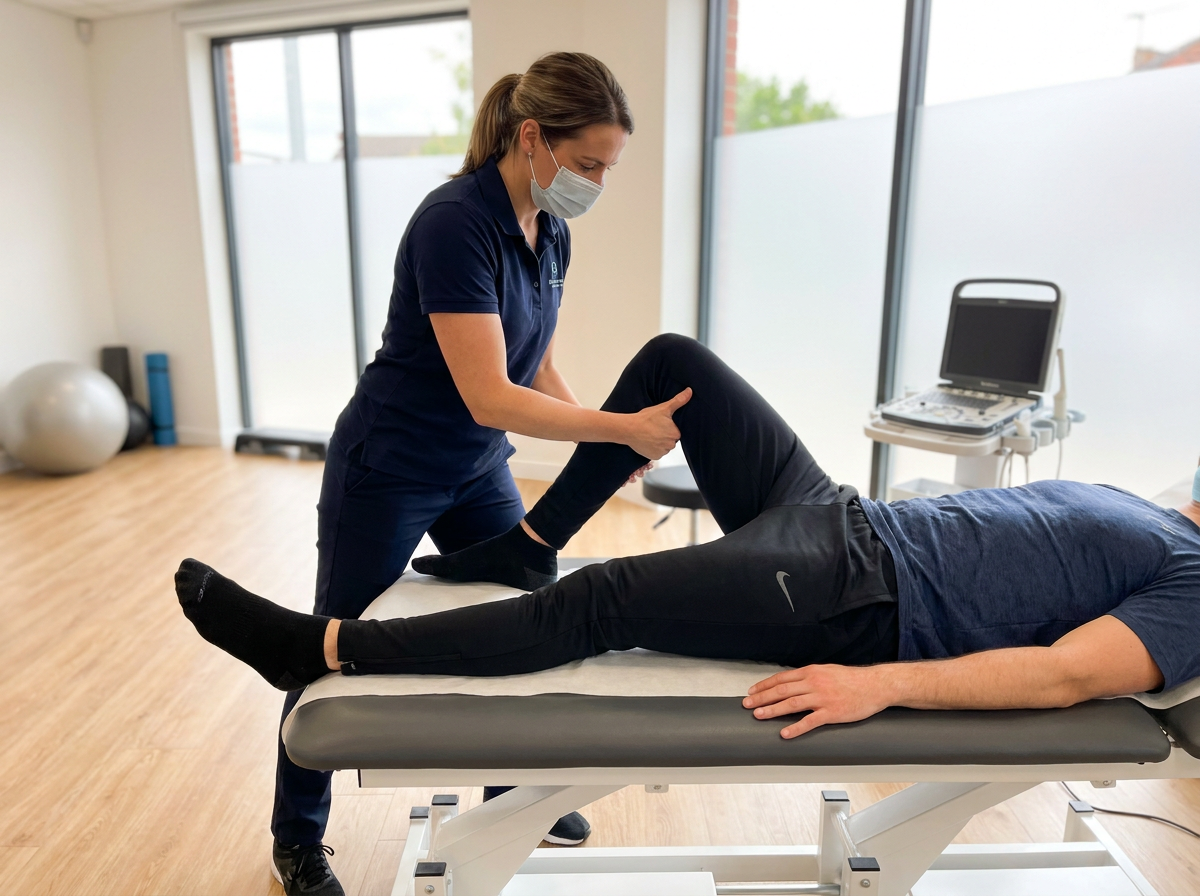
A good assessment for pelvic pain should look beyond “just the pelvis” and include:
exact pain map (front/back/hip crease/groin)
symptom behaviour (first steps? after sitting? during running?)
hip range of motion and control
adductor, hip flexor, glute strength and tendon sensitivity
SI joint provocation/load transfer tests
lumbar spine screening
walking/running mechanics (if relevant)
return-to-run or return-to-gym plan
Pelvic pain rehab: a clear 3-phase framework
Phase 1: Calm it down + restore control (Week 0–2-ish)
Goals:
reduce flare-ups
improve confidence in movement
restore basic hip/pelvic control
Typical components:
modified walking plan
gentle isometrics (pain-calming strength holds)
glute activation/control
avoiding high-irritation positions temporarily
Phase 2: Build strength and load tolerance (Weeks 2–8-ish)
Goals:
strengthen glutes, adductors, hip flexors (as appropriate)
improve single-leg stability
increase walking tolerance
reintroduce gym work gradually
Typical components:
progressive strength (not just bands forever)
step-ups/hinges/squats to tolerance
adductor strengthening (if groin-driven)
hip flexor loading (if hip crease-driven)
Phase 3: Return to running/sport (Weeks 6–12+)
Goals:
tolerate impact and change-of-direction
return to hills/speed safely
reduce recurrence risk
Typical components:
graded run-walk programme
plyometric progressions (if needed)
sport-specific drills
ongoing strength maintenance 2x/week
Exercises that often help (general examples)
These need to be matched to your pain location and irritability, but these are common “starting points”.
1) Isometric adductor squeeze (often helpful for inner thigh/pubic pain)
Place a ball/pillow between knees
Gentle squeeze (think 30–50% effort)
Hold 20–45 seconds, repeat 3–5 times
Should feel like “work”, not sharp pain
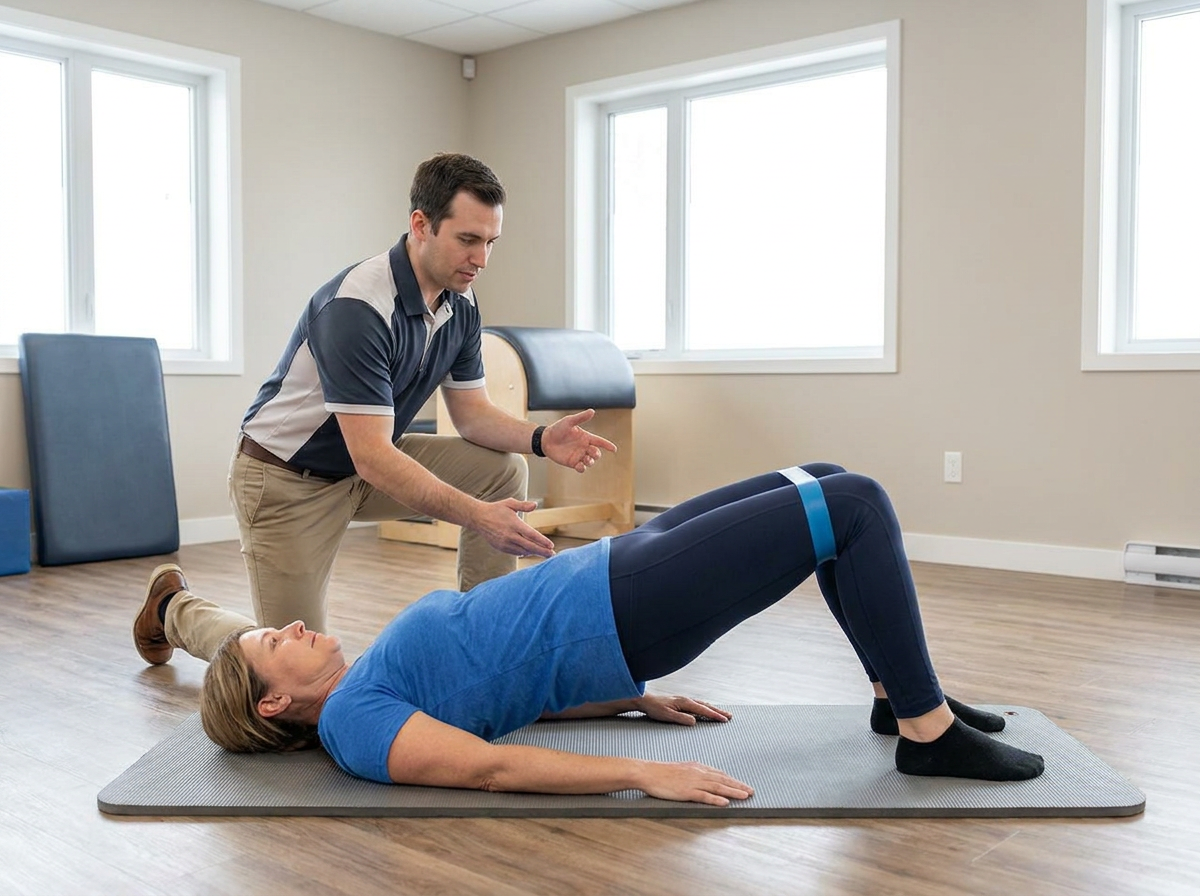
2) Glute bridge (often helpful for back-of-pelvis/SI patterns)
Keep ribs down, pelvis level
Slow up, slow down
Start with small range if needed
Progress to single-leg only when comfortable
3) Side-lying hip abduction / band walks (glute med)
Helps pelvic control in walking/running
Keep pelvis level, avoid twisting
Quality beats quantity
4) Controlled hip flexor loading (often helpful for hip crease pain)
Start with low-range, controlled strength
Avoid aggressive stretching early if it flares
Progress gradually as symptoms settle
What to avoid (common mistakes that prolong pelvic pain)
pushing through running because it “loosens up”
deep stretching into sharp groin pain
repeatedly testing it with long walks “to see if it's better”
returning to hills/sprints too early
relying on massage alone without a strength progression
How long does pelvic pain take to improve?
This depends on the driver and how long it's been there, but a realistic guide:
noticeable improvement often within 2–6 weeks with the right plan
return to full running/sport commonly 6–12+ weeks
persistent cases can still improve, but usually need a structured progression
Book a free assessment in Chelmsford
If you're dealing with pelvic pain and want clarity on what's driving it — and a plan that gets you back to walking, running, gym, and day-to-day life without flare-ups — book a free assessment.
Revive Health Chelmsford
Call: 01245 956391 or 07723 503277
Website: https://www.revivehealthchelmsford.co.uk
FAQs: Pelvic pain
Is pelvic pain always a pelvic floor problem?
Not always. Pelvic pain can come from hip, SI joint, pubic symphysis, adductors/groin, hip flexors, abdominal wall, lumbar spine referral, or pelvic floor involvement. Assessment helps narrow it down.
Why does it hurt when I walk?
Walking is repeated single-leg loading. If the pelvis/hip/adductors are sensitive or under-capacity, symptoms can flare with longer walks or faster pace.
Can I keep running?
Sometimes, yes — if pain stays low (0–3/10), doesn't worsen your next-day baseline, and you modify hills/speed/volume. If it's escalating, pause and get assessed.
What if it hurts turning in bed or getting dressed?
That pattern can fit pelvic girdle/SI/pubic symphysis sensitivity. It's common and usually responds well to targeted control and strength work.
Should I rest completely?
Usually not. Relative rest (reducing aggravators) + the right strengthening plan tends to work better than stopping all movement.
Disclaimer: This article is for general information only and isn't a substitute for medical advice. If you're worried about your symptoms, please seek appropriate medical care.