Pain in Your Hip When Walking in Chelmsford: Causes, What Helps, and When to Get It Checked
Hip pain when walking can creep up gradually or appear out of nowhere after a busy week, a long walk, or a return to exercise. It can feel sharp, deep, achy, or “catchy” — and it can show up in different places: the groin, the side of the hip, the buttock, or down the thigh.
If you're searching for pain in hip when walking in Chelmsford (or nearby areas like Great Baddow, Springfield, Writtle, Galleywood, Boreham or Chelmer Village), this guide will help you:
figure out what the most likely causes are based on where it hurts
know what you can do immediately to reduce flare-ups
understand what physio treatment typically involves
spot the signs that mean you should get assessed sooner rather than later
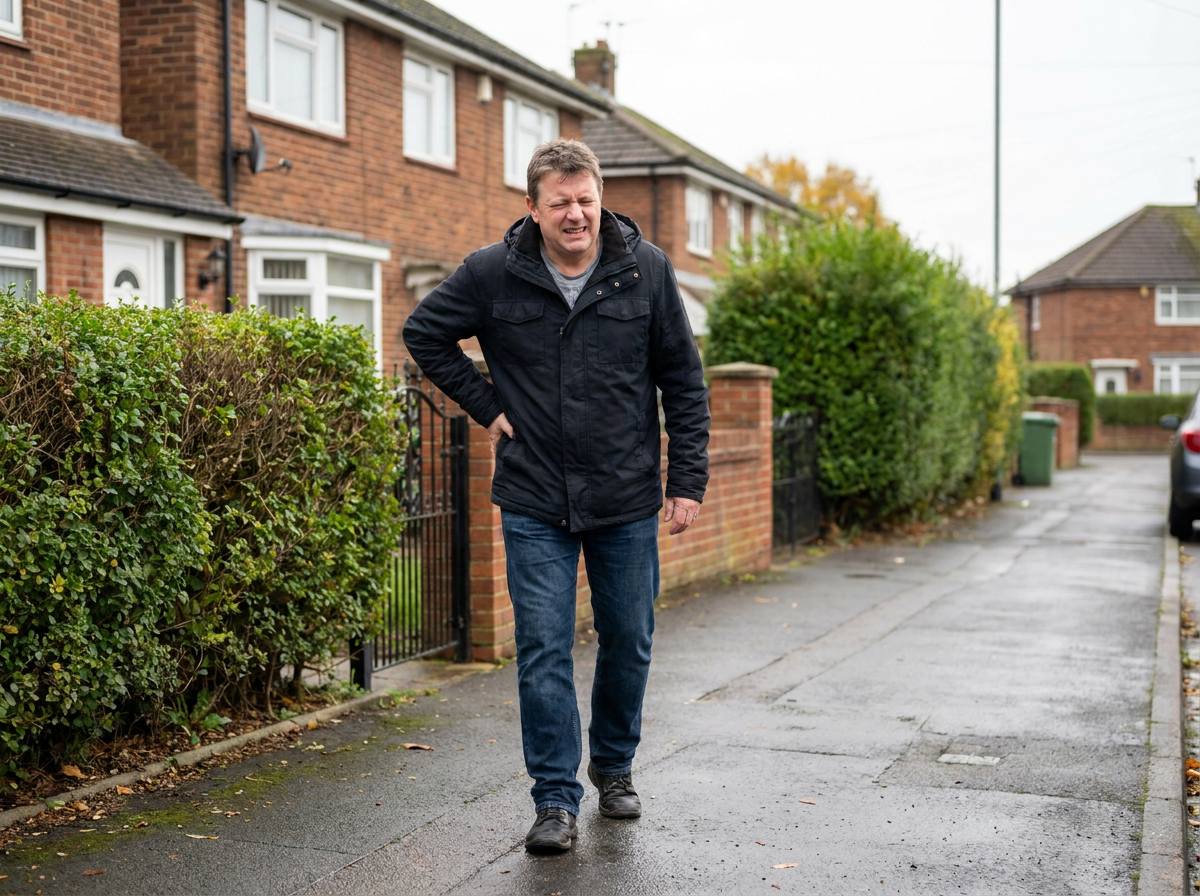
Step 1: Where exactly is the pain when you walk?
This is the quickest way to narrow down what might be driving your symptoms.
A) Groin / front of hip pain when walking
Often linked with:
hip joint irritation (including early osteoarthritis)
hip flexor overload or tendon irritation
adductor (inner thigh) strain
labral-type irritation (not always a tear, but similar symptoms)
Common “tells”:
pain getting in/out of the car
pain with deep squats or twisting
stiffness after sitting
shorter stride feels better than long stride
B) Side of hip pain when walking
Often linked with:
gluteal tendinopathy (commonly mislabelled as “bursitis”)
irritation around the greater trochanter (bony point on the side of your hip)
Common “tells”:
pain worse on hills or stairs
pain when lying on that side at night
pain standing on one leg (e.g., at the sink)
tenderness on the side of the hip
C) Buttock pain when walking
Often linked with:
glute muscle overload
referred pain from the lower back
deep hip rotator irritation
Common “tells”:
pain after prolonged sitting then walking
pain that changes with posture
sometimes a “tight” feeling rather than sharp pain
D) Pain down the thigh when walking
Often linked with:
referred pain from the back
nerve irritation
hip joint referral patterns
If you're getting tingling, numbness, or weakness, assessment is especially important.
Step 2: Why hip pain shows up specifically when walking
Walking is repetitive loading. If something in the hip/back system isn't tolerating load well, you'll often feel it during:
longer distances
faster pace
hills
uneven ground
carrying bags
after a sudden increase in steps (holidays, new fitness push, busy work week)
A very common pattern is “boom and bust”:
you do more walking than usual
hip flares
you rest a lot
it settles
you go back to normal walking quickly
it flares again
The solution is usually not “never walk” — it's finding your current baseline and building up gradually with the right strength plan.
The most common causes of hip pain when walking (and what they feel like)
1) Gluteal tendinopathy (side hip pain)
This is one of the most common causes of persistent pain on the outside of the hip.
Why it hurts when walking:
the glute tendons stabilise the pelvis during each step
if they're sensitive or under-capacity, walking (especially hills) can flare them
What often helps:
reducing compressive positions temporarily (see “what to avoid” below)
progressive glute strengthening
improving pelvic control and walking tolerance
What often makes it worse:
long walks suddenly
hills/stairs
lying on the painful side
standing “hanging” on one hip
2) Hip joint irritation / early osteoarthritis (often groin pain)
Hip joint-related pain often shows up as:
groin pain
stiffness
reduced rotation
pain after longer walks
discomfort with deep bending
Important note: imaging findings (like “arthritis”) don't always match symptoms. Many people with arthritic changes do very well with the right strengthening, pacing, and mobility plan.
3) Hip flexor overload (front hip pain)
Hip flexor pain can show up when walking, especially:
uphill
with longer strides
after lots of sitting (hip flexors already shortened/loaded)
Often feels like:
a pinch or ache at the front of the hip
discomfort lifting the knee
pain with stairs or getting into a car
4) Referred pain from the lower back
Sometimes the hip is the messenger, not the source.
Clues:
symptoms vary quickly
pain changes with sitting/standing posture
pain travels, tingles, or feels “electric”
history of back pain episodes
What to do now (next 7 days): simple steps that usually help
If your hip hurts when walking, start with these practical changes.
1) Find your “tolerable walking baseline”
Pick a distance/time that doesn't spike symptoms significantly during the walk or the next morning.
Then:
keep walking at that level for several days
only increase gradually (small increments)
2) Reduce hills and speed temporarily
Hills and fast walking increase hip demand. Flatten the route for a short period.
3) Adjust stride length
Often a slightly shorter stride reduces hip joint and tendon load.
4) Don't stretch aggressively into sharp pain
Stretching can feel good, but for tendon-related pain (side hip) aggressive stretching can irritate it further.
5) Sleep positioning (if side hip pain is part of it)
avoid lying on the painful side
try a pillow between knees if lying on the other side
avoid crossing the painful leg over the other (adds compression)
What to avoid (common mistakes)
These are the patterns that keep hip pain lingering:
Pushing through long walks because “it's just walking”
Doing hills/stairs repeatedly during a flare
Deep stretching of the side hip when it's tendon-related
Standing with weight on one hip for long periods
Returning to long walks after a few good days (boom/bust cycle)
Only using massage/foam rolling without building strength and capacity
When you should book a physio assessment
Book in if:
pain has lasted more than 2–3 weeks
it's affecting sleep, stairs, or daily walking
you're unsure if it's hip vs back vs tendon
you've had repeated flare-ups
you're getting tingling/numbness/weakness
you want a clear plan (not guesswork)
Same-day “red flag” note
Seek urgent medical advice if you have:
severe pain after a fall/trauma
inability to weight-bear
fever/unwell with a hot swollen joint
unexplained weight loss, night sweats
new bowel/bladder changes or significant leg weakness/numbness
What a physio assessment for hip pain when walking should include
A thorough assessment typically checks:
exact pain location and pattern (flat vs hills vs stairs)
hip range of motion (rotation, flexion)
glute strength and pelvic control
trunk strength and movement patterns
lower back screening
walking assessment (gait)
step count/exercise history and recent changes
clear plan with milestones
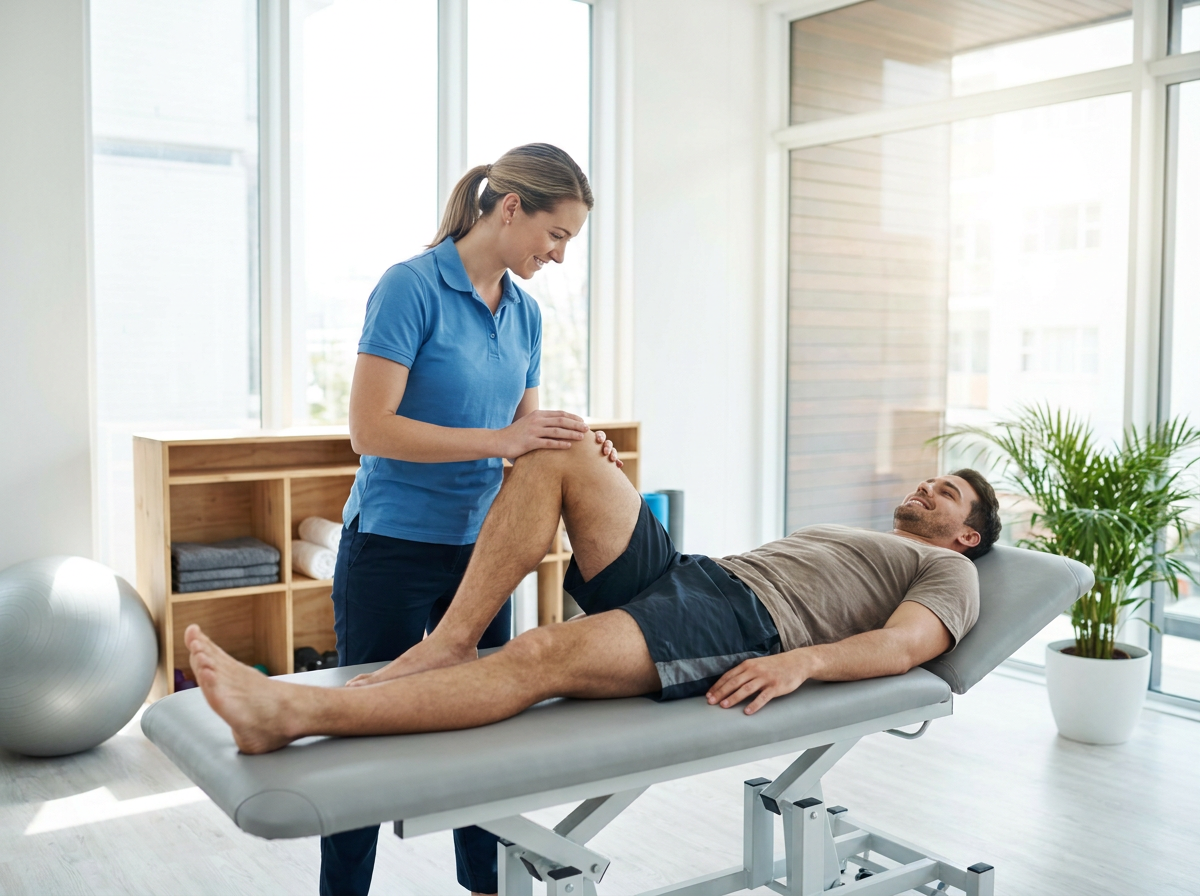
How physio treatment usually helps (the roadmap)
Phase 1: Stop flare-ups and calm sensitivity
identify the biggest triggers (distance, hills, stairs, sleep position)
set a walking baseline
start gentle strength that doesn't flare symptoms
improve movement strategies (stairs, walking mechanics)
Phase 2: Build strength and endurance (the long-term fix)
Often includes:
glute strengthening (abductors/extensors)
trunk strength
hip control drills
progressive walking tolerance plan
Phase 3: Return to full activity
reintroduce hills and longer distances
return to running/classes if relevant
prevention plan based on your lifestyle and goals
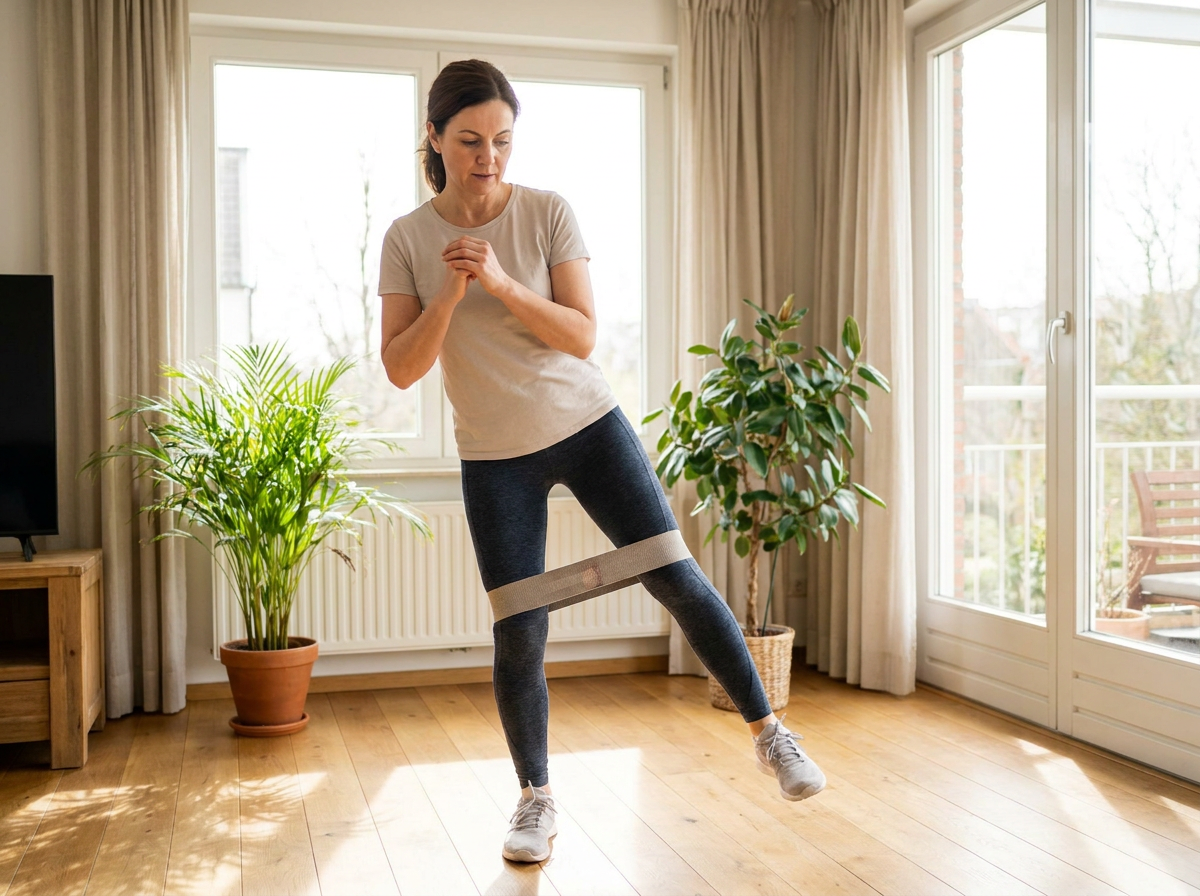
A simple hip-strength “starter” approach (general guidance)
These are common categories we use (exact exercises depend on your assessment):
Glute activation and control (to reduce side-hip overload)
Hip extension strength (glute max)
Hip abduction strength (glute med/min)
Trunk stability (to reduce pelvic drop during walking)
Calf/ankle strength (often overlooked, but can influence walking mechanics)
What we can/can't do (honest expectations)
What we can do
identify whether your pain is more likely tendon, joint, back referral, or muscle overload
reduce pain and improve walking tolerance
build strength and control to prevent recurrence
guide a safe return to longer walks, hills, sport, or gym
give you a clear plan with progressions and checkpoints
What we can't do
guarantee a diagnosis without assessment (hip pain overlaps)
promise an instant fix (capacity building takes time)
“treat it away” without progressive rehab
Book a free hip assessment in Chelmsford
If you're in Chelmsford, Great Baddow, Springfield, Writtle, Galleywood, Boreham or Chelmer Village and want a clear plan for hip pain when walking, book a free assessment.
Revive Health Chelmsford
Call: 01245 956391 or 07723 503277
Website: https://www.revivehealthchelmsford.co.uk
FAQs: Hip pain when walking
Why does my hip hurt more on hills?
Hills increase demand on glutes and hip stabilisers, and they can increase hip flexion/extension loads. If capacity is low, symptoms flare faster.
Is side hip pain always bursitis?
Not always. Many cases are gluteal tendon-related. Treatment tends to focus on load management and strengthening rather than only “anti-inflammatory” approaches.
Should I stop walking completely?
Usually no. Most people do better keeping a tolerable baseline and building up gradually, rather than stopping then restarting at full volume.
How do I know if it's my back?
If pain changes quickly with posture, travels, or includes tingling/numbness, the back may be contributing. Assessment can clarify.
How long does it take to improve?
It depends on the cause and how long it's been there. Many people improve over weeks with consistent rehab and sensible walking progression.
Disclaimer: This article is for general information only and isn't a substitute for medical advice. If you're worried about your symptoms, please seek appropriate medical care.