Neck Pain Physio in Chelmsford: What's Causing It and What Actually Helps
Neck pain can start as a mild stiffness and quickly turn into something that affects your sleep, concentration, driving, and even your mood. For some people it's a dull ache; for others it's sharp pain when turning the head, or tightness that creeps into the shoulders.
If you're searching for neck pain physio in Chelmsford (or nearby areas like Great Baddow, Springfield, Writtle, Galleywood, Boreham or Chelmer Village), this guide explains common causes, what helps most people, and when it's worth getting a proper assessment.
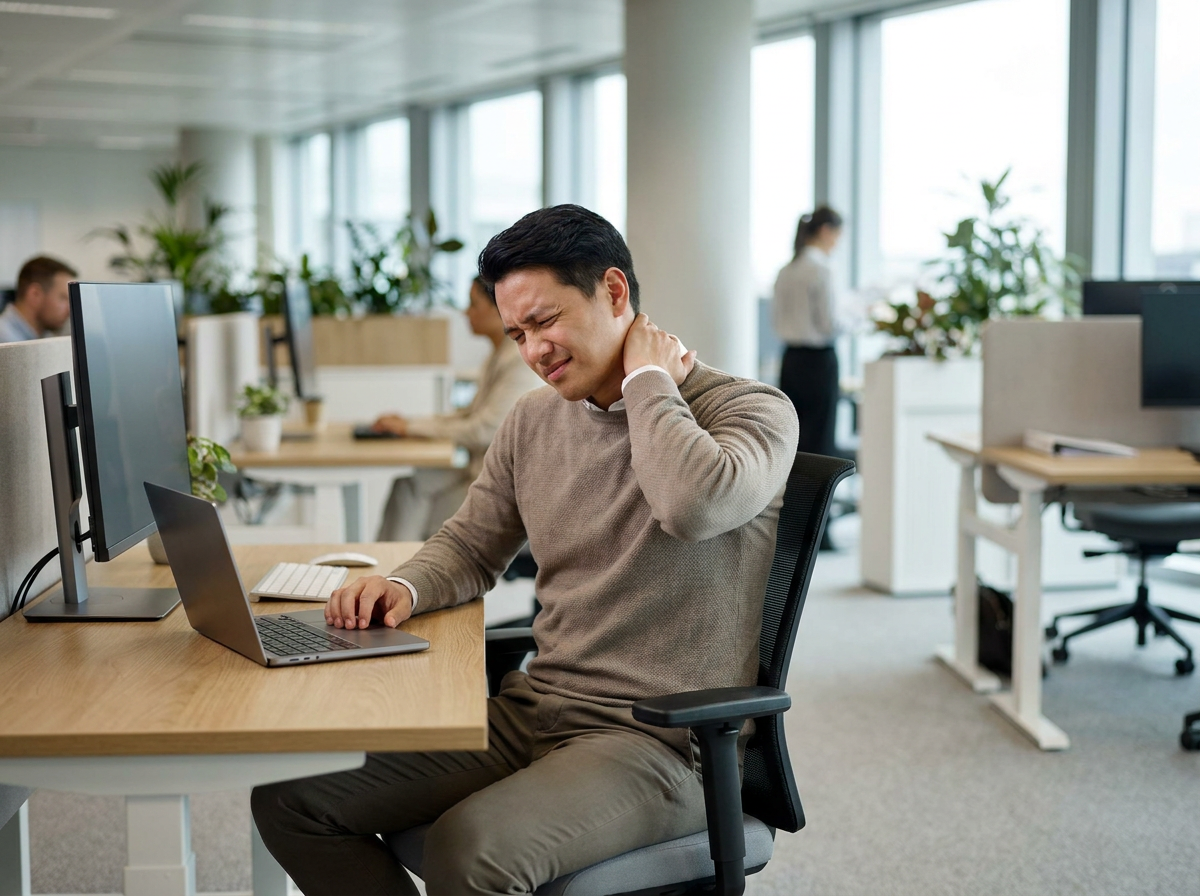
Why neck pain happens (it's rarely “just posture”)
Posture can play a role, but neck pain is usually a combination of:
sustained positions (desk work, laptop use, long drives)
stiffness through the upper back (the neck compensates)
muscle overload (neck/upper traps working overtime)
stress and poor sleep (can increase sensitivity and tension)
previous injuries (old whiplash, recurring flare-ups)
sometimes nerve irritation (pain, tingling, or symptoms into the arm)
The goal isn't perfect posture — it's improving movement, strength/endurance, and tolerance to daily life.
Common neck pain patterns we see
1) Stiff neck first thing in the morning
Often linked to sleep position, stiffness, and reduced movement tolerance.
2) Pain when turning your head (driving is a giveaway)
This can be joint stiffness, muscle guarding, or irritation after a flare-up.

3) Neck pain with headaches
Often linked to upper neck and upper back stiffness plus muscle tension.
4) Neck pain that spreads into the shoulder blade/arm
Sometimes referred pain from the neck/upper back; sometimes nerve irritation. Assessment helps clarify.
What you can do today (simple, safe steps)
If your symptoms are mild-to-moderate and not worsening rapidly, these often help:
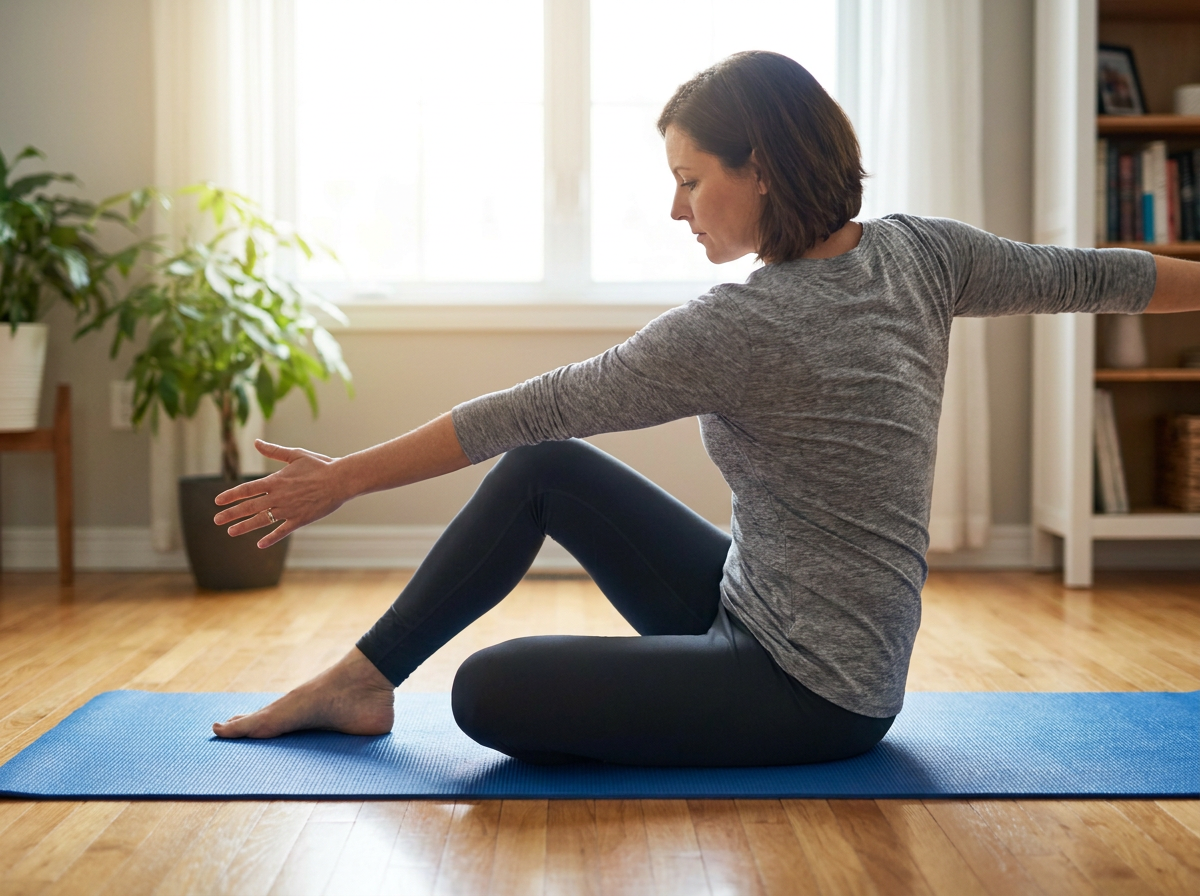
Move little and often: gentle head turns and shoulder rolls through the day
Break up desk time: stand and reset every 30–45 minutes
Heat can help reduce guarding and make movement easier
Avoid repeated “pain testing” (constant stretching hard into pain can flare it)
When to book a physio assessment for neck pain
Consider booking if:
it's lasted more than 7–10 days
it keeps coming back
it's affecting sleep, work, or driving
you're getting symptoms into the arm (tingling/numbness/weakness)
you want a clear plan rather than guessing
Same-day “red flag” note
If you have severe symptoms (significant weakness, worsening neurological symptoms, or symptoms after a serious injury/trauma), seek urgent medical advice the same day.
What physio treatment for neck pain usually includes
A good plan typically covers:
1) Assessment (so we're not guessing)
We look at:
what movements trigger symptoms (turning, looking up/down)
upper back mobility (often a missing piece)
muscle endurance and control (neck/shoulders)
nerve screening if symptoms travel into the arm

2) Reduce pain and restore movement
This may include hands-on treatment (where appropriate) plus targeted mobility work.
3) Build resilience (so it doesn't keep returning)
This often includes:
strengthening endurance around the neck/shoulders
improving upper back mobility
desk and driving strategies that reduce flare-ups
a realistic plan you can actually stick to
Book a free neck pain assessment in Chelmsford (and nearby)
If you're in Chelmsford, Great Baddow, Springfield, Writtle, Galleywood, Boreham or Chelmer Village and want clarity on what's driving your neck pain, book a free assessment.
Revive Health Chelmsford
Call: 01245 956391 or 07723 503277
Website: https://www.revivehealthchelmsford.co.uk
FAQs
Is neck pain always caused by bad posture?
Not usually. Posture can contribute, but neck pain is more often about sustained positions, stiffness, stress, and reduced strength/endurance.
Should I stretch my neck a lot?
Gentle movement is often helpful. Aggressive stretching into pain can sometimes flare symptoms. A tailored plan is best.
Can physio help neck pain and headaches?
Often, yes — especially when headaches are linked to neck/upper back stiffness and muscle tension.
Disclaimer: This article is for general information only and isn't a substitute for medical advice. If you're worried about your symptoms, please seek appropriate medical care.