Knee Pain Physio in Chelmsford: What's Causing It and What Actually Helps
Knee pain can be deceptively disruptive. It might start as a mild ache on stairs, a sharp pain when squatting, or a niggle after a run — then suddenly you're avoiding walks, skipping workouts, and thinking twice about everyday tasks.
If you're searching for knee pain physio in Chelmsford (or nearby areas like Great Baddow, Springfield, Writtle, Galleywood, Boreham or Chelmer Village), this guide explains common causes of knee pain, what tends to help most people, what to avoid, and when it's worth booking an assessment rather than guessing.
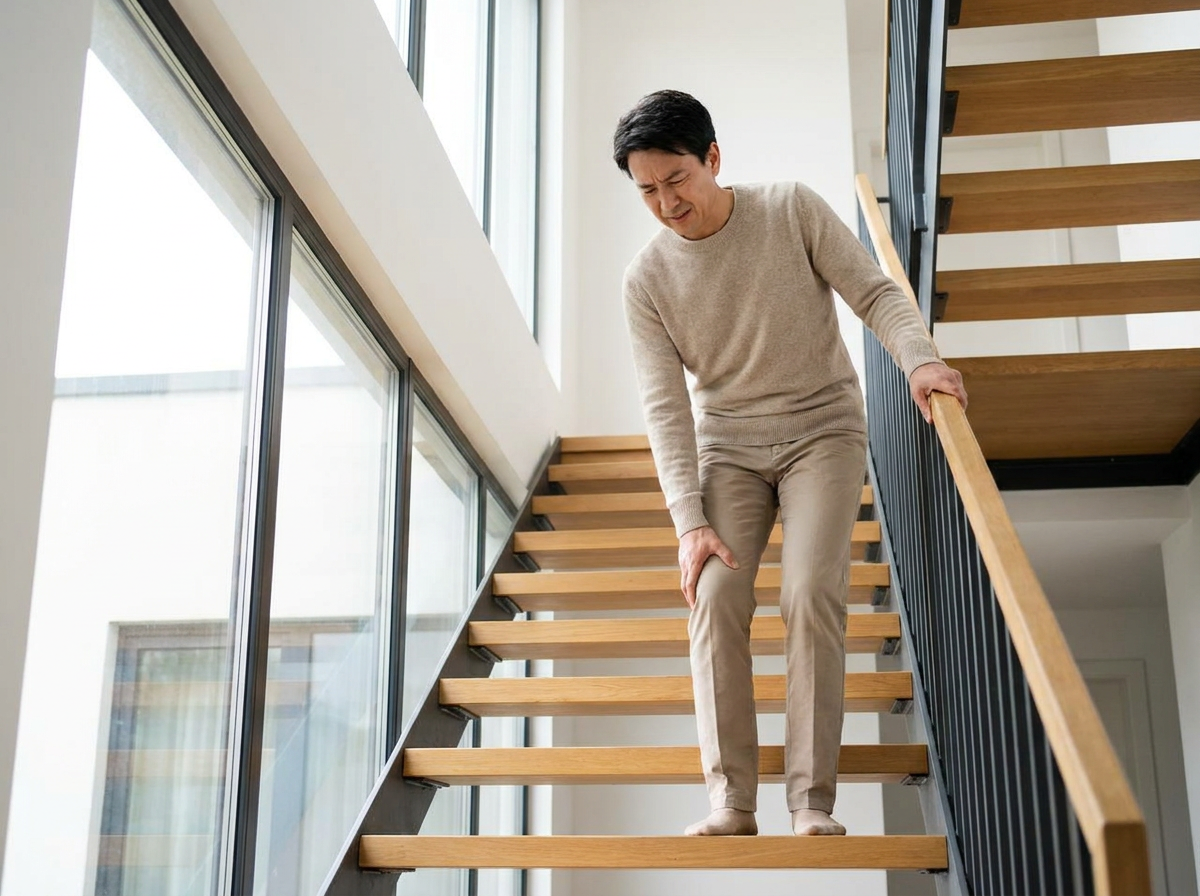
Why knee pain happens (it's usually load + capacity)
Most knee pain isn't about the knee being “weak” or “worn out” overnight. More often, it's a mismatch between:
the load going through the knee (stairs, running, squats, long walks, work demands)
and the knee's current capacity (strength, mobility, control, recovery)
When capacity is lower than the load you're asking for, the knee can become irritated — and then it starts to complain during the activities that matter to you.
Common knee pain patterns we see
Knee pain can show up in different areas. Where you feel it can give clues (but it's not a diagnosis on its own).
1) Pain at the front of the knee (especially stairs/squats)
Often linked to patellofemoral pain (sometimes called runner's knee), load tolerance, and how the hip/ankle contribute.
2) Pain on the inside of the knee
Can be related to joint irritation, tendon/soft tissue overload, or movement patterns. Assessment helps narrow it down.
3) Pain on the outside of the knee
Sometimes linked to IT band region irritation or hip control issues, especially in runners.
4) Pain behind the knee
Can be related to stiffness, tendon overload, or referred patterns. Again: assessment matters.
5) Knee pain that's worse after sitting then improves with movement
Often a sensitivity/tolerance pattern — the knee doesn't love being in one position for too long.
“Pain in knee when walking downstairs” — why stairs are a common trigger
Stairs (especially going down) increase the demand on:
the quadriceps (front thigh)
the kneecap joint mechanics
control through the hip and ankle
If your knee is irritated, or if strength/control is lagging, stairs often become the first thing that hurts.
If you're Googling pain in knee when walking downstairs in Chelmsford, it's a strong sign you'd benefit from:
a proper assessment of strength and movement
a plan that rebuilds tolerance (rather than just resting and hoping)
Common causes of knee pain (in plain English)
Here are the most common drivers we see in clinic:
1) Sudden change in activity
Examples:
starting running again
increasing step count quickly
doing a lot of gardening/DIY
a new gym plan with lots of squats/lunges
2) Reduced hip strength/control
If the hip isn't controlling load well, the knee often takes more stress than it should.
3) Ankle stiffness or foot mechanics
If the ankle doesn't move well (especially into dorsiflexion), the knee may compensate during squats, stairs, and running.
4) Tendon irritation
Tendons don't love sudden spikes in load. They tend to respond best to progressive strengthening.
5) Joint irritation / early degenerative change
This doesn't mean “you're broken”. It often means the joint needs better load management and strength support.
What you can do now (practical steps that help most people)
If your knee pain is mild-to-moderate and not worsening rapidly:
1) Reduce the aggravator (temporarily)
Instead of stopping everything, adjust:
reduce depth of squats
reduce hills/stairs for a short period
shorten runs or swap to flatter routes
break long walks into shorter ones
The goal is to keep you moving while reducing repeated flare-ups.
2) Keep the knee moving
Gentle movement helps maintain confidence and reduce stiffness. Total rest often makes return-to-activity harder.
3) Use simple pain rules
A helpful guideline:
mild discomfort during activity can be okay
pain that spikes sharply, lingers сильно for 24–48 hours, or worsens week to week = adjust plan
(We'll personalise this in assessment.)
4) Don't “stretch the knee” endlessly
Knee pain is often more about strength and control than flexibility. Stretching can feel good, but it's rarely the full solution.
What to avoid (common mistakes)
Resting for weeks, then returning at full load (flare-up cycle)
Pushing through sharp pain repeatedly (“no pain no gain” doesn't apply here)
Only doing random exercises without progression
Ignoring hip/ankle contribution (knee rehab is rarely just the knee)
When to book a knee physio assessment
Consider booking if:
symptoms last more than 7–10 days
pain is affecting stairs, walking, running, or sleep
the knee keeps recurring with the same triggers
you feel instability, locking, or loss of confidence
you want a plan that gets you back to activity safely
Same-day “red flag” note
If you have severe swelling after trauma, inability to weight-bear, a hot/red swollen joint with illness, or rapidly worsening symptoms, seek urgent medical advice the same day.
What a physio assessment for knee pain should include
A good knee assessment looks beyond “where it hurts” and checks:
your symptom pattern (stairs, squats, running, sitting)
knee range of motion and joint irritability
hip strength and control (often key)
ankle mobility and foot mechanics
functional tests (step-down, squat pattern, walking/running mechanics if relevant)
a clear explanation of what's driving your pain (plain English)
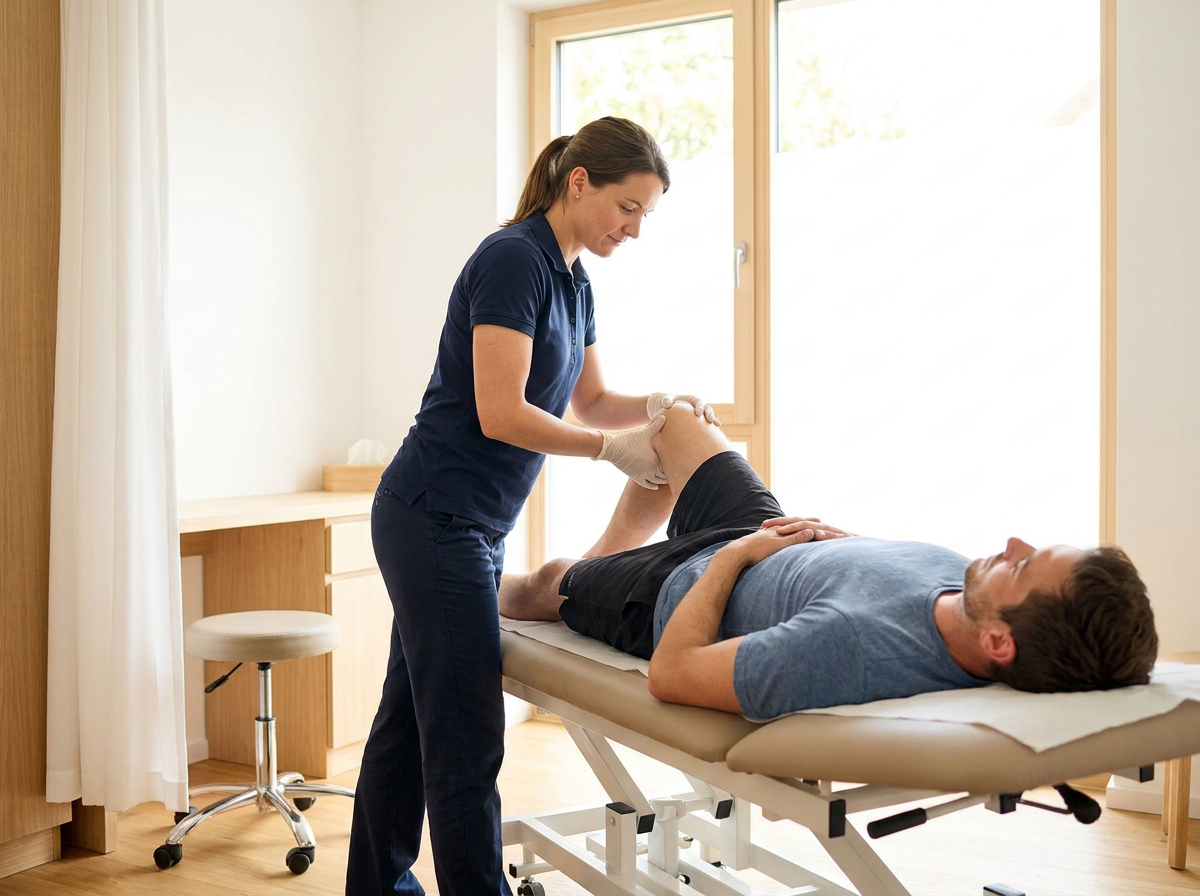
What physio treatment usually looks like (the roadmap)
Most successful knee plans follow:
Phase 1: Calm it down and keep you moving
reduce repeated aggravation
modify training/walking/stairs temporarily
restore comfortable movement
hands-on treatment where appropriate (to support movement, not replace rehab)
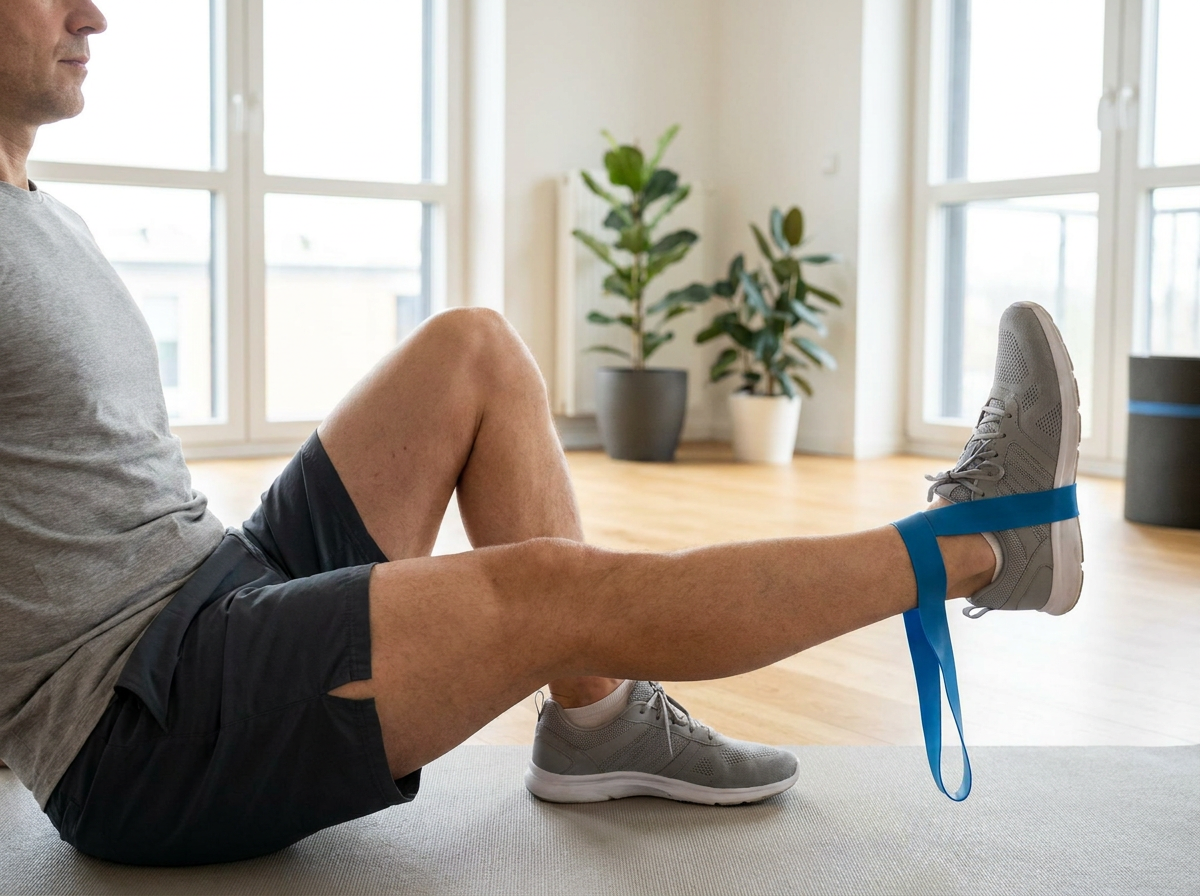
Phase 2: Rebuild strength and control (the long-term fix)
This often includes:
quadriceps strengthening
hip/glute strengthening
calf/ankle capacity work
step and squat control progressions
Phase 3: Return to full activity
graded return to running or sport (if relevant)
stair tolerance rebuilding
prevention plan so the same flare-up doesn't keep returning
What we can/can't do (honest expectations)
What we can do
identify why your knee is irritated (and what's keeping it going)
reduce pain and improve function
rebuild strength and tolerance so stairs, squats, and walking feel normal again
guide you back to running/gym safely if that's your goal
What we can't do
promise a same-day cure for every knee problem
“fix it” with treatment alone without rebuilding strength/capacity
guarantee you'll never feel knee pain again (but we can greatly reduce recurrence risk)
Book a free knee pain assessment in Chelmsford (and nearby)
If you're in Chelmsford, Great Baddow, Springfield, Writtle, Galleywood, Boreham or Chelmer Village and want a clear plan, book a free assessment.
Revive Health Chelmsford
Call: 01245 956391 or 07723 503277
Website: https://www.revivehealthchelmsford.co.uk
FAQs (Knee pain)
Why does my knee hurt going downstairs?
Downstairs increases demand on the front of the knee and requires good hip/quad control. When capacity is low or the knee is irritated, stairs often trigger pain first.
Should I stop running if I have knee pain?
Not always. Many people do better with modifications (distance, hills, pace, frequency) while rebuilding strength and tolerance.
Do I need a scan?
Often not. Many knee pain cases improve with assessment-led rehab. If your symptoms suggest imaging is needed, we'll advise.
Is knee pain always arthritis?
No. Knee pain can come from tendons, load tolerance, hip/ankle mechanics, or irritation patterns. Even when arthritis is present, strength and load management often help significantly.
Disclaimer: This article is for general information only and isn't a substitute for medical advice. If you're worried about your symptoms, please seek appropriate medical care.