Knee Pain When Going Downstairs in Chelmsford: Front-of-Knee Pain (What's Causing It and What Helps)
If you've got knee pain when going downstairs, you're not imagining it — stairs (especially down stairs) place a big demand on the front of the knee. It's one of the most common “everyday” triggers for front-of-knee pain, often linked with patellofemoral pain (sometimes called runner's knee).
The frustrating part is that the knee can feel “fine” on flat ground, but then a flight of stairs, a hill, or getting up and down from chairs suddenly makes it ache or feel sharp.
If you're searching for knee pain when going downstairs in Chelmsford (or nearby areas like Great Baddow, Springfield, Writtle, Galleywood, Boreham or Chelmer Village), this guide will help you:
understand the most common causes of front-of-knee pain on stairs
work out whether your symptoms fit a patellofemoral pattern
know what to do in the first 7 days
avoid common mistakes that keep it flaring
understand what physio treatment typically involves
know when to get assessed sooner
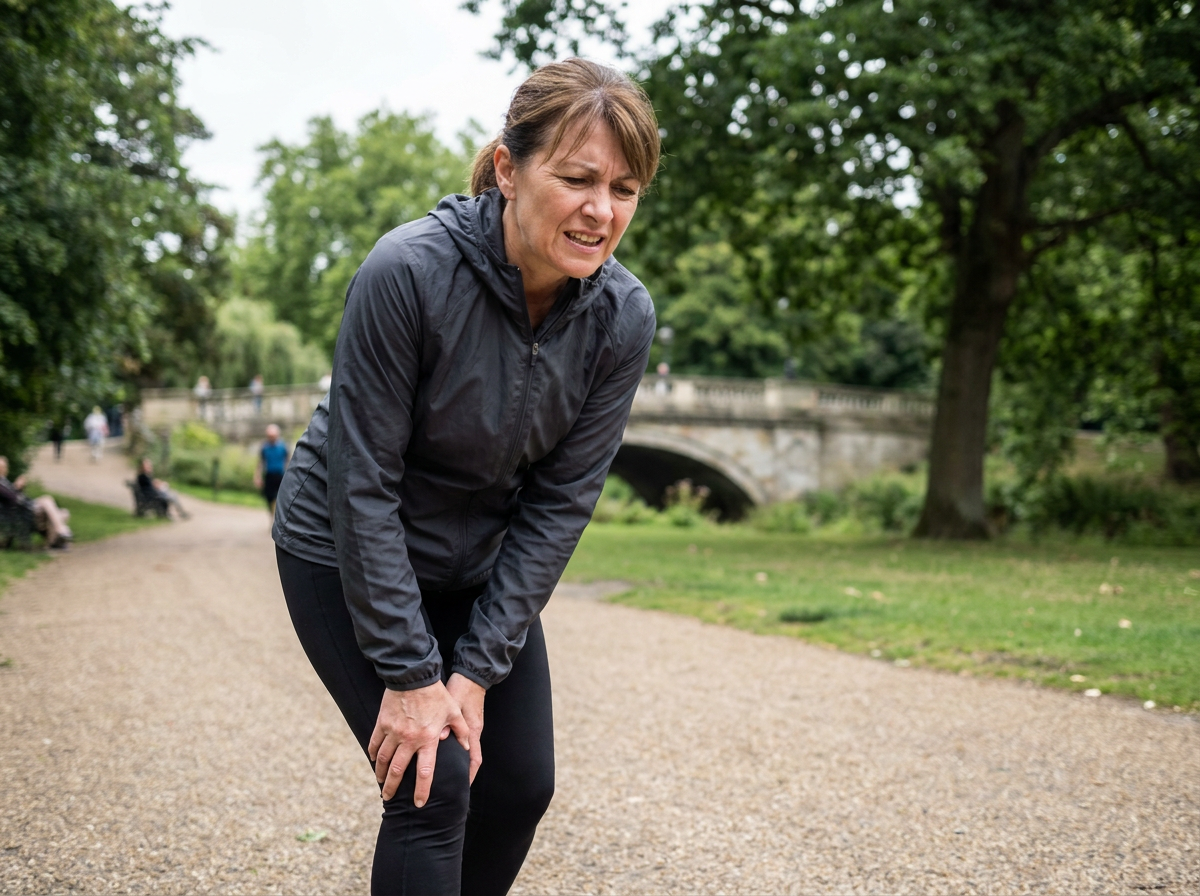
Why going downstairs hurts more than going upstairs
Going downstairs increases the load through the patellofemoral joint (where the kneecap meets the thigh bone) because:
your knee bends more
your quads have to work eccentrically (controlling you as you lower)
the kneecap is pressed into the groove with more force
So if the system is irritated or underprepared, stairs expose it quickly.
Step 1: Where exactly is the pain?
Location helps narrow down the likely cause.
A) Pain at the front of the knee / around or behind the kneecap
Most commonly linked with:
patellofemoral pain (runner's knee)
Often described as:
“behind the kneecap”
“around the kneecap”
“a dull ache that becomes sharp on stairs”
B) Pain just below the kneecap (patellar tendon area)
More likely linked with:
patellar tendinopathy (jumper's knee pattern)
Often worse with:
jumping
sprinting
heavy squats
sudden increases in gym load
C) Pain on the inside of the knee
Could be:
joint irritation
meniscus-type irritation (not always)
referred load issues
D) Pain on the outside of the knee
Could be:
ITB-related irritation (more common in runners)
lateral joint irritation
This post focuses mainly on the most common “stairs pain” pattern: patellofemoral pain.
What is patellofemoral pain (runner's knee)?
Patellofemoral pain is a broad term for pain coming from the front of the knee, usually related to:
irritation of the patellofemoral joint surfaces, and/or
sensitivity of surrounding tissues
load management issues (too much too soon)
strength/control deficits (often hip + quad capacity)
It doesn't mean your knee is “damaged.” It usually means the knee is not tolerating the current load as well as it could.
Common symptoms of patellofemoral pain
pain going downstairs (very common)
pain with squats or lunges
pain after sitting for a while (sometimes called “cinema sign”)
pain with hills
pain with running (especially downhill)
occasional clicking/grinding (can be normal, but context matters)
What it usually doesn't look like
a single traumatic “pop” with immediate swelling
knee locking that you can't straighten
significant swelling after a minor activity
If you have those, get assessed sooner.
Why does patellofemoral pain happen?
Most often it's a capacity vs demand problem.
Demand increases might include:
more walking (especially hills)
more stairs (new job, moving house, travel)
starting running again
adding speed work or hills
increasing gym work (squats/lunges/leg press)
doing lots of kneeling or repeated sit-to-stand
Capacity issues might include:
quads not strong/enduring enough for repeated knee-bend load
hip strength/control deficits (glutes) leading to poor single-leg control
ankle mobility limits changing knee mechanics
poor recovery (sleep/stress) meaning tissues stay more sensitive
What to do in the first 7 days (practical steps)
If stairs are currently flaring your knee, the goal is to calm it down without deconditioning it.
1) Reduce the biggest trigger (temporarily)
You don't have to avoid stairs forever, but for a week:
reduce unnecessary stair trips
avoid repeated “up and down” tasks
use a lift if available (short-term)
break tasks into fewer trips
2) Use the “pain monitoring” rule
A simple guide:
mild discomfort during exercise can be okay
pain should not spike sharply
symptoms should settle back to baseline within 24 hours
If it's worse the next day, you did too much.
3) Adjust exercise, don't stop moving
Often better options during a flare:
flat walking (if tolerated)
cycling with low resistance (if comfortable)
gym work that avoids deep knee bend temporarily
4) Avoid deep knee bend volume early on
Temporarily reduce:
deep squats
deep lunges
heavy leg press through deep range
lots of downhill walking
5) Start strength early (this is usually the long-term fix)
Patellofemoral pain typically responds well to:
quad strengthening (often in tolerable ranges first)
hip/glute strengthening
single-leg control work
gradual exposure back to stairs
What to avoid (common mistakes)
pushing through repeated stair pain daily
doing lots of deep squats to “strengthen it” when it's reactive
stopping all activity (often leads to more sensitivity when you restart)
only stretching/rolling without building strength capacity
changing everything at once (shoes, running, gym, stairs) — hard to track triggers
When to book a physio assessment
Book in if:
pain lasts more than 2–3 weeks
stairs are consistently painful
running is limited (if you run)
you're unsure if it's patellofemoral vs tendon vs joint irritation
you have recurrent flare-ups
you want a clear plan and progressions
Same-day “red flag” note
Seek urgent medical advice if you have:
major swelling after an injury
inability to weight-bear
knee locking (can't straighten)
hot/red swollen joint with fever/unwell
rapidly worsening numbness/tingling
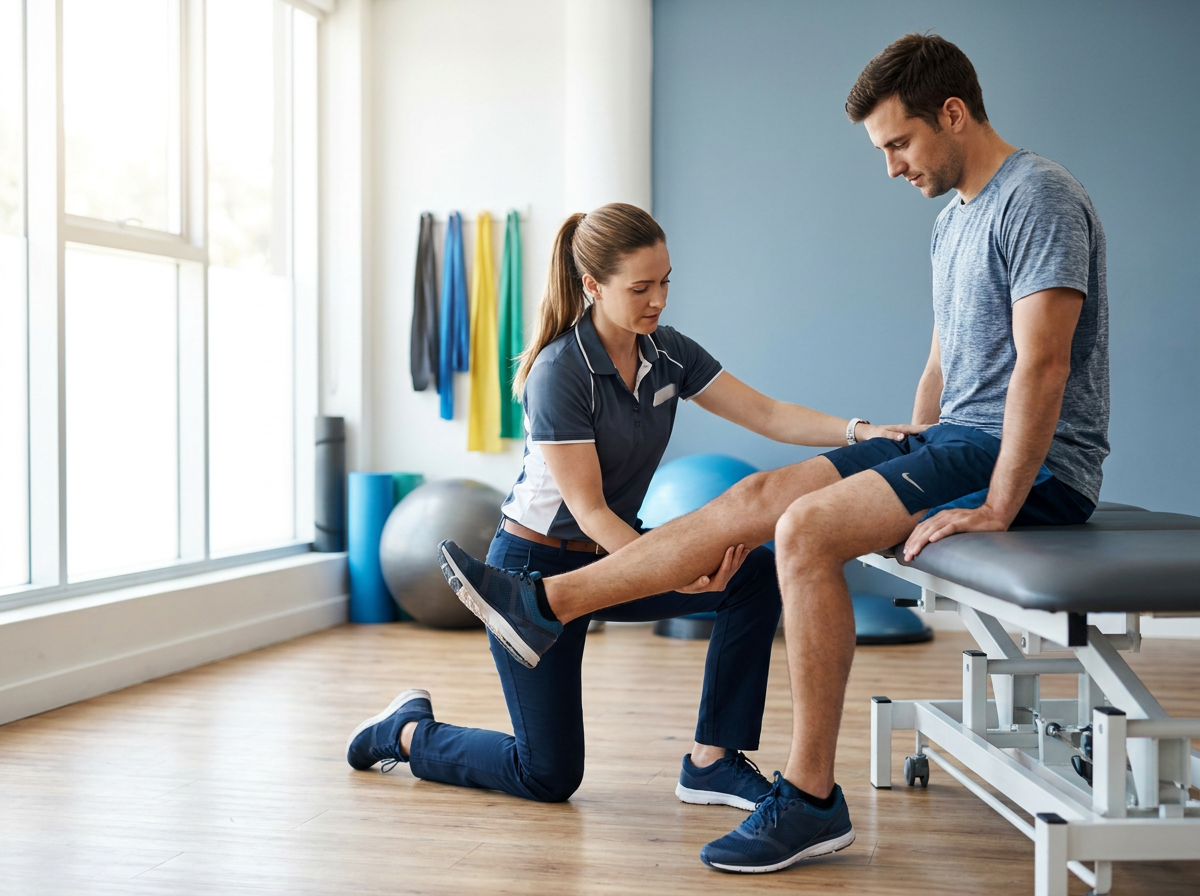
What a physio assessment should include
A thorough assessment for stairs-related knee pain should check:
exact pain location and irritability
knee range of motion and joint signs
quad strength and endurance
hip strength (especially abductors/external rotators)
single-leg control (knee alignment)
ankle mobility (dorsiflexion)
walking/stair mechanics
training/load history (stairs, walking, running, gym)
a clear plan with progressions and milestones
How physio treatment usually helps (the roadmap)
Phase 1: Calm symptoms + find tolerable loading
reduce stair volume temporarily
choose knee-friendly training options
start pain-calming strength work
build confidence in movement again
Phase 2: Build capacity (quads + hips + control)
Often includes:
progressive quad strengthening (range and load progressed gradually)
hip/glute strengthening to improve single-leg control
step control drills
gradual exposure to stairs
Phase 3: Return to full activity
rebuild tolerance to hills/downhill
return to running (if relevant) with a graded plan
return to gym work (squats/lunges) with sensible progressions
A simple “starter” knee rehab approach (general guidance)
Exact exercises depend on your assessment, but common categories include:
1) Quad loading in a tolerable range
Options might include:
wall sits (isometric)
partial range leg extensions (if appropriate)
sit-to-stand progressions
2) Hip/glute strengthening
Because better hip control often reduces knee stress on stairs.
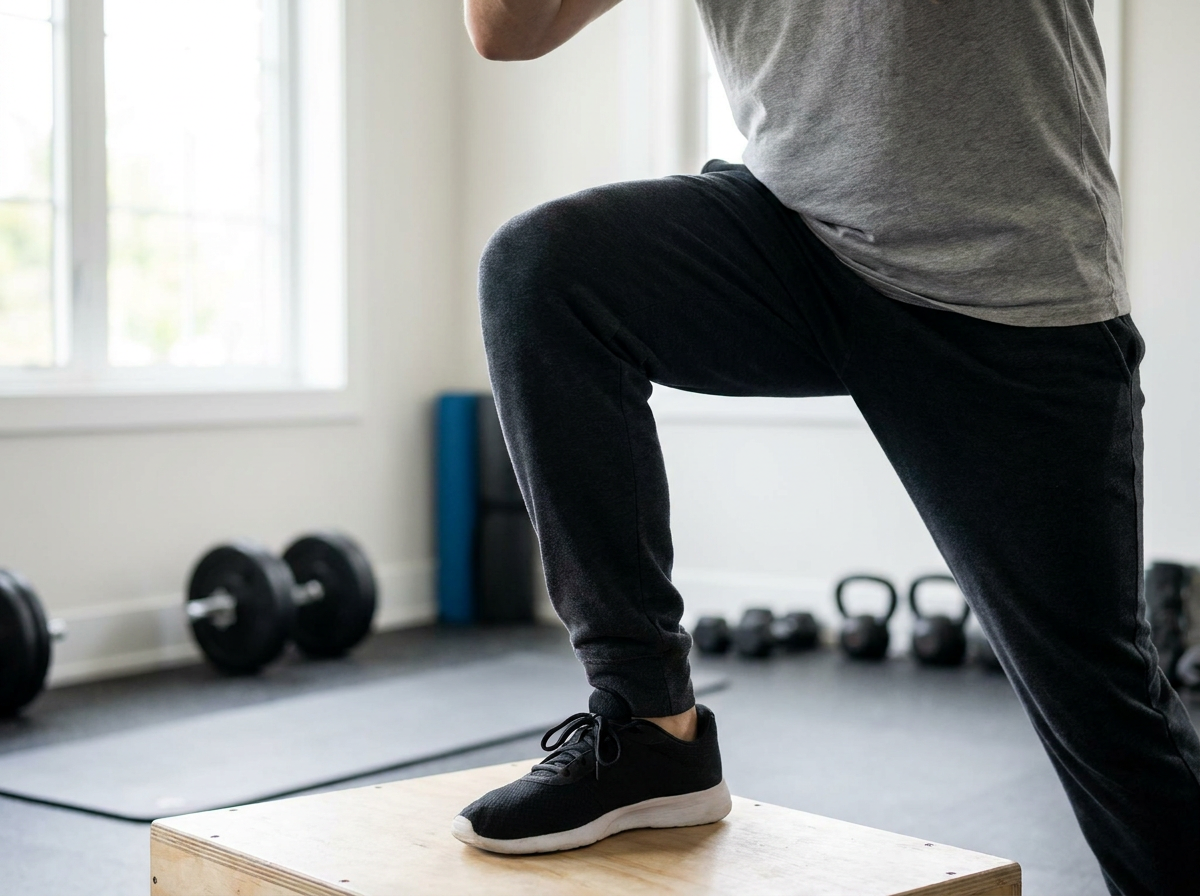
3) Step-down control (key for “downstairs pain”)
This targets the exact demand: controlled lowering.
4) Gradual stair exposure plan
Instead of “avoid stairs” vs “do all the stairs,” you want a progression:
fewer trips → more trips
smaller step height → normal stairs
slower controlled descent → normal pace
What we can/can't do (honest expectations)
What we can do
confirm whether your symptoms fit patellofemoral pain vs tendon/joint patterns
reduce pain and improve stair tolerance
rebuild quad/hip capacity so it stops recurring
guide a safe return to running, hills, and gym work
give you a clear plan with checkpoints
What we can't do
promise an instant fix (capacity building takes time)
“treat it away” without progressive rehab
diagnose every cause without assessment
Book a free assessment in Chelmsford
If you're in Chelmsford, Great Baddow, Springfield, Writtle, Galleywood, Boreham or Chelmer Village and want a clear plan for knee pain on stairs, book a free assessment.
Revive Health Chelmsford
Call: 01245 956391 or 07723 503277
Website: https://www.revivehealthchelmsford.co.uk
FAQs: Knee pain when going downstairs
Why is it worse going down than up?
Downstairs requires controlled lowering and increases compressive load behind the kneecap, which can flare patellofemoral sensitivity.
Is it arthritis?
Not necessarily. Many people with patellofemoral pain have no arthritis. Assessment helps clarify.
Should I stop squats?
Not always — but deep, high-volume squats during a flare can worsen symptoms. Often you modify range/load temporarily.
Do I need a knee brace?
Sometimes short-term support can help confidence, but long-term improvement usually comes from strength and load management.
How long does it take to improve?
Many people improve over weeks with consistent strengthening and sensible load progressions, especially when stair exposure is managed properly.
Disclaimer: This article is for general information only and isn't a substitute for medical advice. If you're worried about your symptoms, please seek appropriate medical care.