Knee Pain From Cycling in Chelmsford: Why It Happens (and What Actually Helps)
Knee pain from cycling can be really frustrating because cycling is often seen as a “knee-friendly” activity. And for many people it is — until something changes: you increase mileage, start hills, switch cleats, change your saddle height, or return after time off. Then you notice pain at the front of the knee, around the kneecap, or sometimes on the inside/outside.
The good news: most cycling-related knee pain improves with the right combination of:
load management (so you stop re-flaring it)
bike setup tweaks (often simple)
strength and control work (so the knee tolerates pedalling again)
and a sensible return to volume
If you're searching for knee pain from cycling in Chelmsford (or nearby areas like Great Baddow, Springfield, Writtle, Galleywood, Boreham or Chelmer Village), this guide will help you:
narrow down the most common causes (front vs inside vs outside knee pain)
understand the bike-fit factors that commonly trigger symptoms
know what to do in the first 7 days
avoid the mistakes that keep it lingering
understand what physio treatment typically involves
know when to get assessed sooner
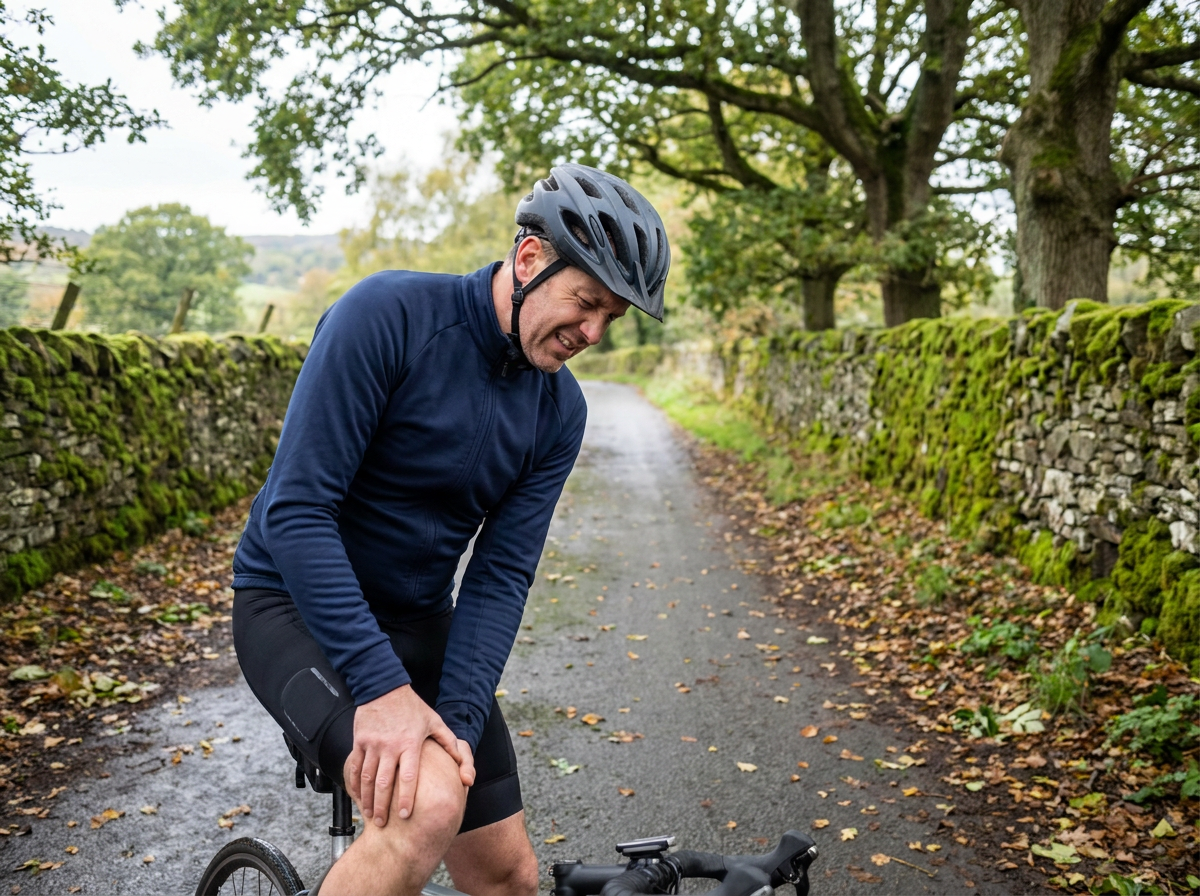
Step 1: Where exactly is the knee pain when cycling?
Location gives strong clues.
A) Front of knee / around kneecap (most common)
Often linked with:
patellofemoral pain (kneecap load sensitivity)
saddle too low (more knee bend)
sudden increase in volume/hills
high-gear grinding (low cadence, high force)
B) Inside of knee
Can be linked with:
medial joint irritation
MCL irritation (often injury-related)
tracking/cleat position factors (sometimes)
overload patterns from fatigue
C) Outside of knee
Can be linked with:
IT band/lateral knee irritation
cleat/foot position issues
hip endurance deficits
D) Back of knee
Can be linked with:
hamstring tendon irritation
saddle too high (over-reaching)
excessive reach/positioning
This blog focuses mainly on the most common pattern: front knee pain from cycling.
Why cycling can trigger knee pain (even though it's “low impact”)
Cycling is low impact, but it's high repetition.
Even a short ride can involve thousands of pedal revolutions. If anything is slightly off — load, position, recovery, strength — the knee can become sensitive.
Common “load spikes” include:
returning after time off and doing your old distance
adding hills (more force)
increasing weekly mileage quickly
switching to harder gears / lower cadence
adding indoor cycling (often more constant effort)
The most common cause: patellofemoral pain (kneecap-related)
Patellofemoral pain is pain around/behind the kneecap. It's often influenced by:
knee bend angle under load
total volume and force
quad/hip capacity and endurance
fatigue (control changes)
Typical symptoms in cyclists
ache around/behind kneecap during or after rides
worse on hills or when pushing big gears
worse after a hard week of riding
sometimes sore going downstairs after a ride
may feel stiff after sitting post-ride
Bike-fit factors that commonly cause knee pain
You don't need a full professional bike fit to get relief — but these are the common culprits we look at.
1) Saddle height (big one)
Too low → more knee bend → often front knee pain
Too high → over-reaching → can cause back-of-knee pain and hip rocking
2) Saddle fore/aft position
If the saddle is too far forward or back, it can change knee loading and tracking.
3) Cleat position and rotation (clipless)
Small changes can alter knee tracking and stress patterns:
cleats too far forward can increase load
rotation that forces the foot in/out can irritate knee structures
4) Gearing and cadence
Grinding in a big gear at low cadence increases force through the knee. Often, a slightly higher cadence reduces knee stress.
5) Sudden change in bike or shoes
New bike geometry, new shoes, different cleats — all can change mechanics.
Non-bike factors that still matter
Even with a perfect bike setup, the knee can flare if capacity is low.
Common contributors:
quad strength/endurance deficits
hip stability/endurance deficits (glute med)
ankle/foot control issues (affects knee tracking)
recovery factors (sleep, stress, not enough easy days)
What to do in the first 7 days (practical steps)
If your knee is flared, the goal is to calm it down and stop the flare cycle.
1) Reduce the load spike (temporarily)
For 7–10 days:
reduce total mileage/time
reduce hills
avoid big-gear grinding
keep rides flatter and easier
consider shorter, more frequent rides rather than one long ride
2) Increase cadence slightly (often helpful)
Without obsessing over numbers, aim to:
spin a bit easier
reduce force per pedal stroke
3) Check saddle height (simple self-check)
If your saddle has recently been lowered (or if you're unsure), front knee pain can be a clue it's too low.
A physio assessment can help you decide whether a small adjustment is appropriate — especially if you're using cleats and don't want to guess.
4) Use the 24-hour response rule
mild discomfort might be acceptable for some people
sharp pain that escalates = stop
symptoms should settle back to baseline within 24 hours
if next-day pain is worse, you did too much
5) Start strength work early (key)
Cyclists often benefit from building:
quads (capacity for repeated knee extension)
glutes (hip control and load sharing)
single-leg control (knee alignment under fatigue)
What to avoid (common mistakes)
pushing through hills because “cycling shouldn't hurt knees”
repeatedly testing the same painful route/gear
making multiple bike changes at once (saddle + cleats + shoes)
ignoring off-bike strength work
resting completely for weeks then returning to the same volume
When to book a physio assessment
Book in if:
pain lasts more than 2–3 weeks
pain is worsening despite reducing load
you get swelling, locking, or giving way
pain is affecting stairs/squats as well as cycling
you've recently changed cleats/shoes/bike and symptoms started
you want a clear plan for riding without guessing
Same-day “red flag” note
Seek urgent medical advice if you have:
major trauma with inability to weight-bear
hot red swollen knee with fever/unwell
a locked knee that won't straighten after injury
rapidly worsening calf swelling/redness/shortness of breath (DVT concerns)
What a physio assessment for cycling knee pain should include
A thorough assessment typically checks:
pain location (kneecap vs tendon vs joint line)
knee range of motion and irritability
quad strength/endurance
hip strength/endurance (glutes)
ankle mobility (affects knee mechanics)
single-leg control (step-down, squat patterns)
cycling history (volume, hills, cadence, indoor vs outdoor)
basic bike setup review (saddle height/position, cleats if relevant)
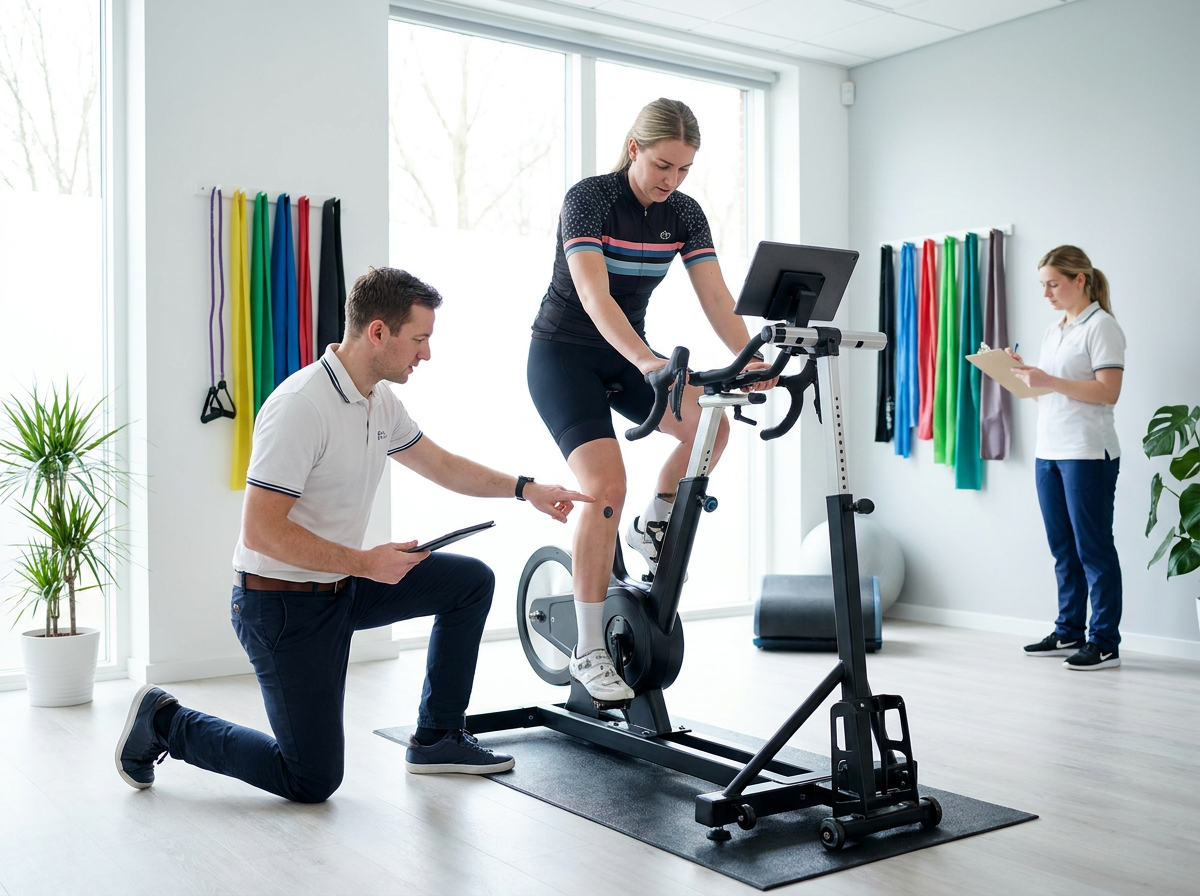
How physio treatment usually helps (the roadmap)
Phase 1: Calm symptoms + keep you riding (modified)
adjust volume/intensity temporarily
reduce hills and big-gear work
settle pain sensitivity
start pain-calming strength work
Phase 2: Build capacity (quads + hips)
Often includes:
progressive quad strengthening (range and load progressions)
hip strengthening for control/endurance
gradual reintroduction of harder efforts
Phase 3: Return to full riding (hills, longer rides, intensity)
build flat endurance first
add hills later
add harder efforts last
prevention plan for future training blocks
Simple off-bike exercises that often help cyclists (general guidance)
Exact exercises depend on your assessment, but common categories include:
1) Step-ups (control + quad/glute capacity)
Focus on:
knee tracking over toes
controlled tempo
no pain spikes
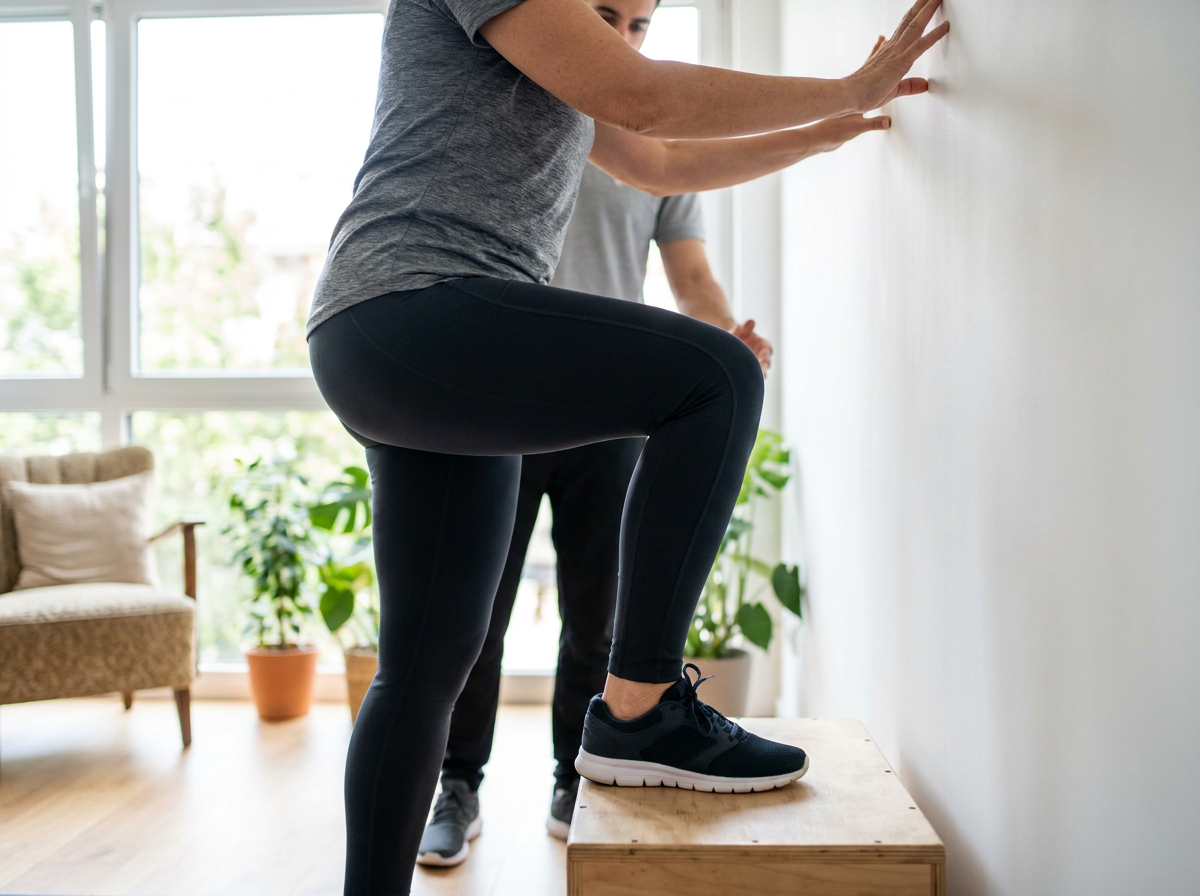
2) Split squat / sit-to-stand progressions
Great for building quad capacity without needing heavy kit.
3) Hip abductor endurance work
Helps reduce overload patterns and improves knee alignment under fatigue.
4) Calf endurance (often overlooked)
Supports ankle control and overall lower-limb resilience.
If you want, tell me where your pain is (front vs inside vs outside vs back of knee) and whether it's worse on hills or hard efforts, and I'll tailor the “likely cause + bike tweaks” section even more tightly.
What we can/can't do (honest expectations)
What we can do
identify whether your pain is patellofemoral, tendon-related, joint irritation, or tracking-related
help you keep cycling with smart modifications
advise sensible bike setup tweaks (especially saddle height/position)
rebuild strength and tolerance so it doesn't keep recurring
guide a return to hills and intensity safely
What we can't do
promise an instant fix if training load stays too high
“fit your bike perfectly” in a blog post without seeing your setup (but we can guide the common fixes)
Book a free assessment in Chelmsford
If you're in Chelmsford, Great Baddow, Springfield, Writtle, Galleywood, Boreham or Chelmer Village and want a clear plan for knee pain from cycling (including advice on whether a small saddle/cleat tweak would help), book a free assessment.
Revive Health Chelmsford
Call: 01245 956391 or 07723 503277
Website: https://www.revivehealthchelmsford.co.uk
FAQs: Knee pain from cycling
Why do my knees hurt cycling but not walking?
Cycling is highly repetitive and can load the kneecap/tendons in a specific range for a long time, especially with hills or big gears.
Is my saddle height causing this?
Possibly. Saddle too low often increases front knee pain; too high can irritate the back of the knee. Assessment helps you avoid guesswork.
Should I stop cycling?
Not always. Many people improve by reducing hills/intensity temporarily and building strength alongside a sensible progression.
Do I need a scan?
Not usually. If there's swelling, locking, giving way, or persistent worsening pain, assessment helps decide if imaging is appropriate.
How long does it take to improve?
Many people improve over weeks with consistent load management and strengthening. If it's been recurring for months, it can take longer.
Disclaimer: This article is for general information only and isn't a substitute for medical advice. If you're worried about your symptoms, please seek appropriate medical care.