IT Band Syndrome Treatment in Chelmsford: Outside Knee Pain When Running (What Helps and What to Avoid)
Pain on the outside of the knee when running is one of the most frustrating running injuries — because you can feel absolutely fine at the start, then a sharp, burning pain appears at a predictable point (often 5–15 minutes in). You stop, it settles… then it comes back again the next run.
This pattern is very common with IT band syndrome (also called iliotibial band friction syndrome, though “friction” isn't always the best way to think about it).
The good news: most runners improve with the right combination of:
load management (so you stop re-flaring it)
hip and knee capacity work (so the tissues tolerate running again)
return-to-run progressions (so you rebuild without guessing)
If you're searching for IT band syndrome treatment in Chelmsford (or nearby areas like Great Baddow, Springfield, Writtle, Galleywood, Boreham or Chelmer Village), this guide will help you:
understand what IT band syndrome is
spot the common triggers
know what to do in the first 7 days
avoid the mistakes that keep it lingering
understand what physio treatment typically involves
know when to get assessed sooner
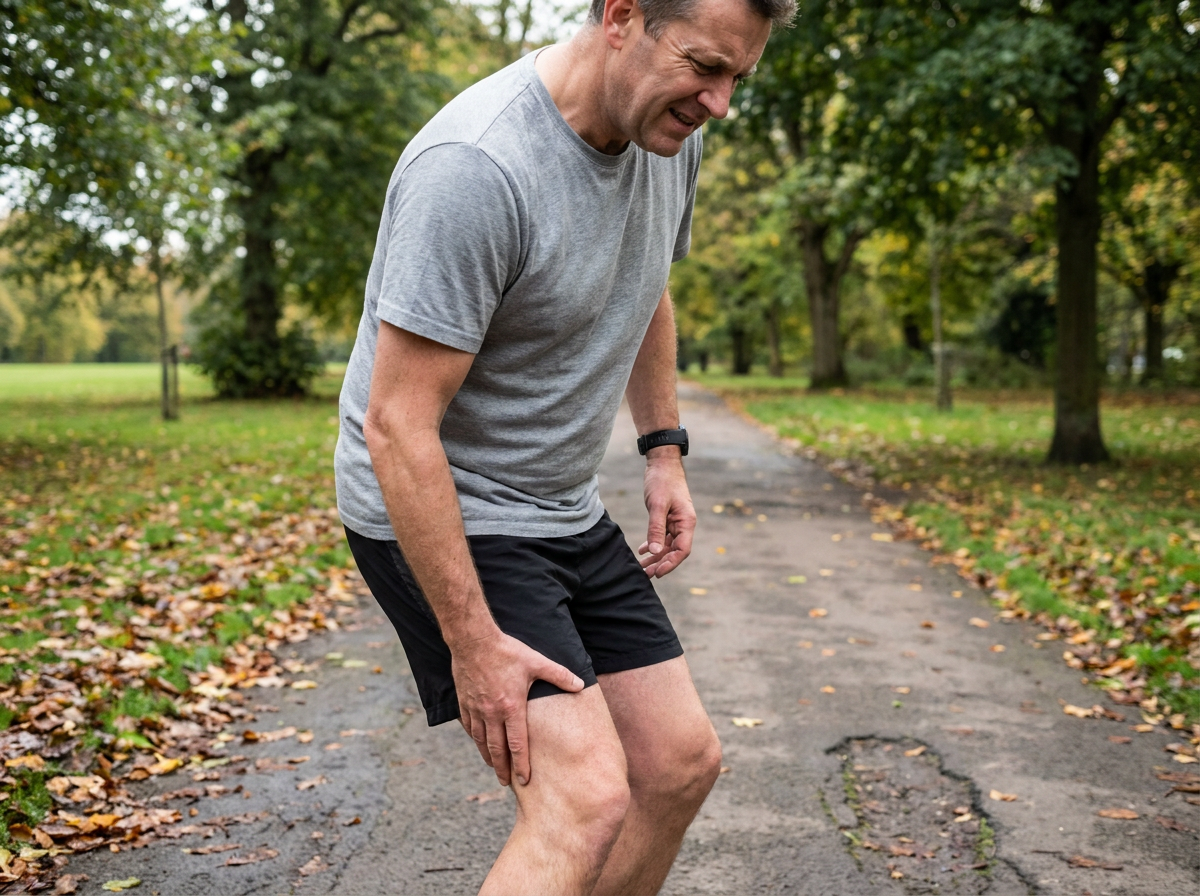
What is IT band syndrome?
The iliotibial band (IT band) is a thick band of connective tissue running down the outside of the thigh, connecting from the hip area to the outside of the knee.
IT band syndrome is usually described as pain on the outside of the knee during running, often linked with:
repetitive knee bending/straightening under load
sensitivity of tissues at the outside of the knee
a mismatch between running load and current tissue capacity
It's common in:
runners increasing mileage
runners adding hills/speed
people returning after time off
runners doing lots of downhill
runners on cambered roads
Classic symptoms of IT band syndrome
Typical signs include:
sharp/burning pain on the outside of the knee while running
pain starts at a predictable time/distance
pain worsens if you keep running
pain settles when you stop (at least early on)
pain is often worse downhill
tenderness on the outside of the knee to touch
Some people also feel tightness along the outside of the thigh, but the key symptom is usually the lateral knee pain during running.
IT band syndrome vs other causes of outside knee pain
Not all outside knee pain is IT band syndrome. Other possibilities include:
lateral meniscus irritation
LCL irritation (often injury-related)
patellofemoral pain (can sometimes present laterally)
referred pain from hip or back
If pain is associated with swelling, locking, giving way, or a clear injury event, it's worth an assessment.
Why does IT band pain often start “part way into the run”?
This pattern usually happens because:
tissues tolerate load for a while
fatigue builds (hips, trunk, lower limb control)
mechanics subtly change
the outside knee tissues become more compressed/irritated
pain escalates quickly
So it's not that your IT band “suddenly snaps into the wrong place.” It's usually a capacity + fatigue + load issue.
Common triggers (what usually causes a flare)
1) Sudden increase in running volume
extra run days
longer long run
returning after time off
2) Hills and downhill running
Downhill often increases knee bend under load — a common trigger.
3) Speed work / intervals
Higher forces and fatigue can provoke symptoms.
4) Cambered roads
Running on a slope can load one side differently.
5) Weakness/endurance deficits (often hip-related)
Hip abductors and external rotators (glute med/min) help control thigh position and load distribution.
What to do in the first 7 days (practical steps)
If you've got a current flare, the goal is to stop re-irritating it while you start rebuilding capacity.
1) Reduce the main trigger (temporarily)
For 7–10 days, consider:
reduce running volume
remove hills and downhill
remove speed work
keep runs flat and easy (if you can run without escalating pain)
If pain escalates quickly every run, a short running pause may be needed while you start rehab.
2) Use a simple pain-monitoring rule
mild discomfort might be acceptable early on for some runners
sharp/burning pain that escalates = stop
symptoms should settle back to baseline within 24 hours
if next run is worse at the same distance/time, you're still flaring it
3) Cross-train to maintain fitness
Often tolerated options:
cycling (if pain-free)
swimming
elliptical (depends on irritability)
4) Start strength work early (key)
IT band syndrome is rarely fixed by stretching alone. Most runners do better when they improve:
hip endurance
lateral chain strength
single-leg control
What to avoid (common mistakes)
foam rolling aggressively over the painful outside knee (often too sensitive)
stretching the IT band hard (it doesn't “lengthen” easily and can irritate tissues)
repeatedly “testing it” with the same run that triggers pain
returning to hills/speed too early
ignoring fatigue and recovery
When to book a physio assessment
Book in if:
symptoms last more than 2–3 weeks
you can't run without pain escalating
you're training for an event and need a plan
pain is associated with swelling, locking, giving way
you're unsure if it's IT band vs meniscus vs other causes
you keep getting recurring lateral knee pain
Same-day “red flag” note
Seek urgent medical advice if you have:
major trauma with inability to weight-bear
hot red swollen knee with fever/unwell
a locked knee that won't straighten after injury
What a physio assessment for IT band syndrome should include
A thorough assessment typically checks:
exact pain location and tenderness pattern
hip strength/endurance (glute med/min, external rotators)
single-leg control (step down, single-leg squat patterns)
ankle/foot mechanics under load
training history (volume, intensity, hills, surfaces)
running form factors (where relevant)
screening for meniscus/LCL/joint irritation if indicated
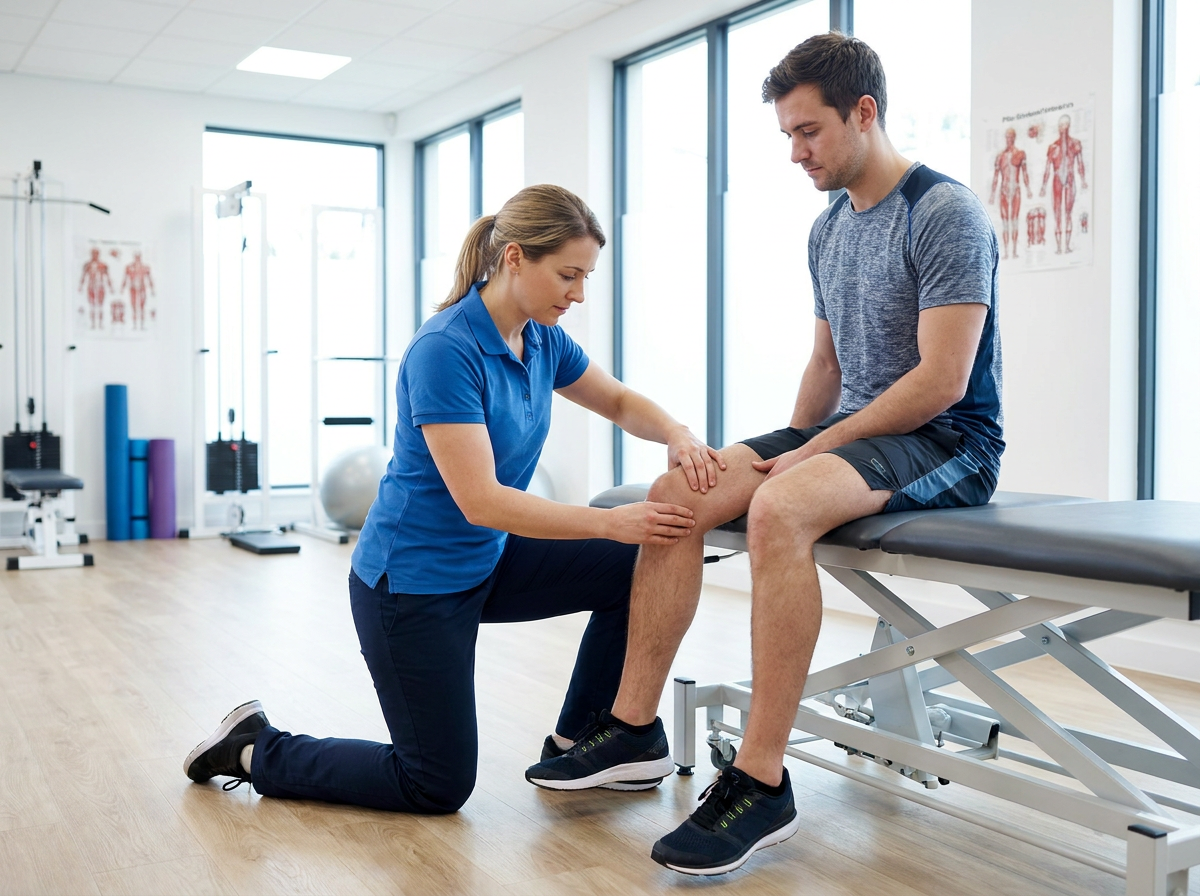
How physio treatment usually helps (the roadmap)
Phase 1: Calm symptoms + stop the flare cycle
adjust running load (flat, easy, reduced volume)
remove hills/speed temporarily
start strength work that doesn't spike symptoms
Phase 2: Build capacity (hip + single-leg control)
Often includes:
hip abductor endurance
hip external rotation strength
lateral chain control
progressive single-leg work
Phase 3: Return to running (structured progression)
build flat running tolerance first
reintroduce gentle hills later
speed work last
A simple “starter” IT band rehab approach (general guidance)
Exact exercises depend on your assessment, but common categories include:
1) Side plank variations (glute med + trunk)
This targets lateral hip endurance — often a key limiter in runners.

2) Step-down control work
Helps build tolerance and control in the positions that often provoke symptoms.
3) Hip hinge + glute strength
Improves load sharing through the hip rather than overloading the knee.
4) Return-to-run plan
A common structure:
run-walk intervals on flat ground
increase total running time gradually
add hills later
add speed last
If you want, tell me whether your pain starts at a specific time (e.g., “always at 10 minutes”) and I'll give you a simple example progression you can paste into the blog.
What we can/can't do (honest expectations)
What we can do
confirm whether symptoms fit IT band syndrome vs other lateral knee causes
reduce pain and stop the flare cycle
rebuild hip and single-leg capacity so you can run without it returning
guide a return-to-run plan that fits your event timeline
address contributing factors (hills, camber, fatigue, strength deficits)
What we can't do
promise an instant fix if training load stays too high
“roll it out” as a long-term solution without strength and load management
Book a free assessment in Chelmsford
If you're in Chelmsford, Great Baddow, Springfield, Writtle, Galleywood, Boreham or Chelmer Village and want a clear plan for outside knee pain when running, book a free assessment.
Revive Health Chelmsford
Call: 01245 956391 or 07723 503277
Website: https://www.revivehealthchelmsford.co.uk
FAQs: IT band syndrome
Should I stretch my IT band?
Usually, aggressive IT band stretching isn't the main fix. Strength, load management, and graded return to running are typically more effective.
Does foam rolling help?
It can give short-term relief for some people, but rolling directly over the painful outside knee can irritate it. It's not a substitute for rehab.
Can I keep running?
Sometimes, if pain is mild and stable and you can keep it flat/easy without escalation. If it ramps up quickly, you may need a short pause and a structured plan.
Why is it worse downhill?
Downhill increases knee bend under load and can increase irritation at the outside knee.
How long does it take to improve?
Many runners improve over weeks with consistent rehab and sensible training changes. If it's been recurring for months, it can take longer.
Disclaimer: This article is for general information only and isn't a substitute for medical advice. If you're worried about your symptoms, please seek appropriate medical care.