Groin Pain in Chelmsford: Common Causes (Adductor Strain vs Hip Flexor) + What Actually Helps
Groin pain can be awkward to pin down — partly because “groin” is a broad area, and partly because pain can come from several structures around the hip, pelvis and inner thigh.
For some people it's a sudden sharp pain during sport (often an adductor strain). For others it's a nagging ache that shows up when walking, getting in/out of the car, turning in bed, or running — and it becomes a “background problem” that never quite settles.
If you're searching for groin pain physio in Chelmsford (or nearby areas like Great Baddow, Springfield, Writtle, Galleywood, Boreham or Chelmer Village), this guide will help you:
understand the most common causes of groin/inner thigh pain
tell the difference between adductor vs hip flexor patterns
know what to do in the first 7 days
avoid the mistakes that keep it lingering
understand what physio treatment typically involves
know when to get assessed sooner
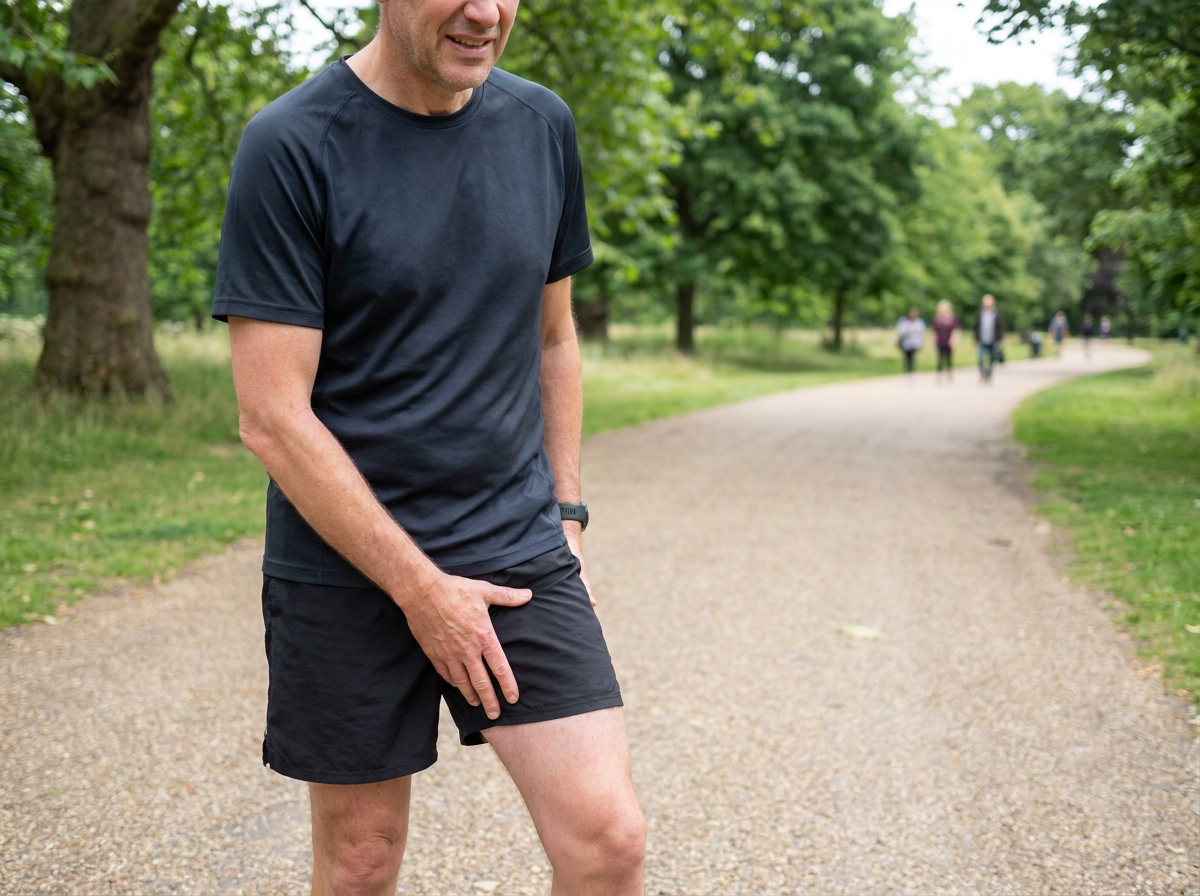
Step 1: Where exactly is the pain?
“Groin pain” can mean different locations. The exact spot matters.
A) Inner thigh (adductor region)
Often linked with:
adductor strain (acute or persistent)
adductor tendinopathy (more gradual onset)
overload from running, football, gym, change of direction
B) Front of hip (hip flexor region)
Often linked with:
hip flexor strain/overload (iliopsoas, rectus femoris)
overload from sprinting, kicking, hills, lots of sit-ups
C) Deep groin / crease at the front of hip
Can be linked with:
hip joint irritation (including osteoarthritis patterns)
labral irritation (not always serious, but needs assessment)
D) Lower abdomen / pubic area
Can be linked with:
sports hernia / athletic pubalgia patterns
abdominal/adductor load issues
This blog focuses mainly on the most common clinic pattern: adductor-related groin pain — but we'll cover the key differences.
Common causes of groin pain (and how they usually present)
1) Adductor strain (most common in sport)
Often happens with:
sudden change of direction
sprinting
kicking
slipping
deep lateral lunges or wide-stance squats
Typical signs
pain on the inner thigh/groin
pain with squeezing knees together
pain with side lunges or cutting movements
tenderness along the adductor muscles/tendon
2) Adductor tendinopathy (more gradual)
Often linked with:
repeated overload over time (running volume, gym changes)
pain that warms up then aches later
tenderness closer to the pubic bone attachment
3) Hip flexor overload/strain
Typical signs
pain at the front of the hip
worse with lifting the knee, sprinting, hills
sometimes sore after lots of sitting then standing up
4) Hip joint irritation (deep groin pain)
Typical signs
deep ache in the groin crease
stiffness, especially first thing or after sitting
pain with twisting/pivoting
sometimes reduced hip range of motion
5) Referred pain from the back
Sometimes groin/hip pain is influenced by:
lumbar spine referral
nerve sensitivity patterns
A proper assessment screens for this.
What to do in the first 7 days (practical steps)
If your groin is flared, the goal is to calm it down without losing all capacity.
1) Reduce the aggravator (temporarily)
For 7–10 days, reduce:
sprinting
cutting/change of direction
deep lateral lunges / wide-stance squats
kicking drills
hills if they spike symptoms
You don't necessarily need complete rest — you need to stop repeatedly re-straining it.
2) Use the 24-hour response rule
mild discomfort during rehab can be okay
sharp pain is a no
symptoms should settle back to baseline within 24 hours
if next-day pain is worse, you did too much
3) Keep general activity going (if tolerated)
Often okay:
flat walking (shorter distances)
cycling (if pain-free)
upper body training
gentle lower body work that doesn't provoke symptoms
4) Start pain-calming adductor loading early (key)
Early loading (often isometrics) can help settle pain and maintain strength.
What to avoid (common mistakes)
stretching the groin aggressively into sharp pain early on
returning to sprinting too soon because it “feels okay” in a warm-up
doing deep side lunges to “strengthen it” while it's still reactive
ignoring it for weeks (it often becomes a persistent tendinopathy)
foam rolling aggressively over a very tender adductor (can flare it)
When to book a physio assessment
Book in if:
pain lasts more than 2–3 weeks
you keep re-flaring it when you return to sport
pain affects walking, stairs, or getting in/out of the car
you're unsure if it's adductor vs hip flexor vs hip joint
you have a match/event deadline and need a plan
pain is deep in the groin with increasing stiffness
Same-day “red flag” note
Seek urgent medical advice if you have:
severe pain after trauma with inability to weight-bear
fever/unwell with severe hip/groin pain
a new groin lump with severe pain (hernia concerns)
testicular pain/swelling (urgent medical assessment)
What a physio assessment for groin pain should include
A thorough assessment typically checks:
exact pain location and symptom behaviour
adductor strength and pain response (including squeeze tests)
hip flexor strength and hip range of motion
hip joint screening (if deep groin pain)
lumbar spine screening (referral patterns)
gait/running mechanics where relevant
training load history (volume, intensity, surfaces, gym changes)
a clear rehab plan with progressions and return-to-sport criteria
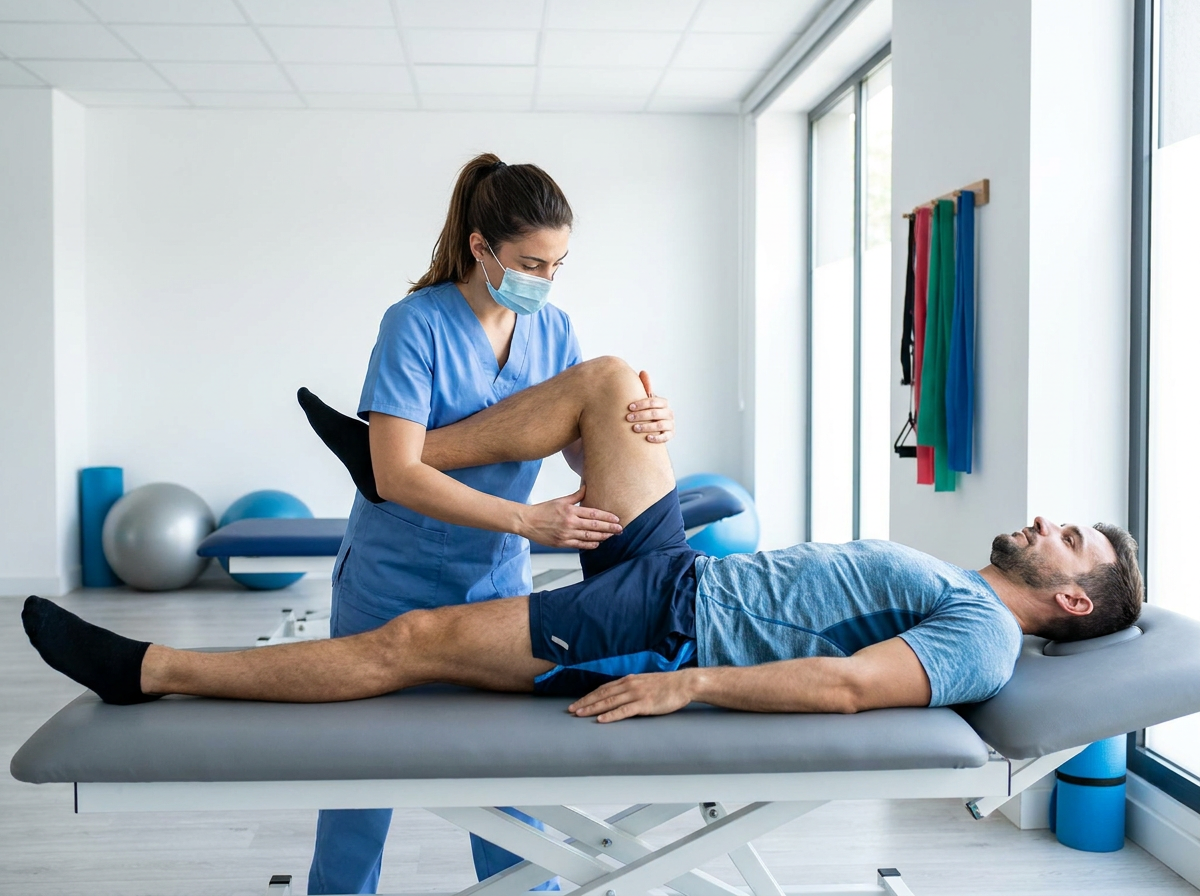
How physio treatment usually helps (the roadmap)
Phase 1: Calm symptoms + restore comfortable movement
reduce the main trigger briefly
start pain-calming isometrics
maintain hip mobility without aggressive stretching
Phase 2: Build capacity (adductors + hips)
Often includes:
progressive adductor strengthening (isometrics → isotonic → longer lever)
hip and trunk strength/endurance
gradual reintroduction of lateral movements
Phase 3: Return to sport (running, cutting, sprinting)
graded return to running
then add change of direction
sprinting last
criteria-based return (not guesswork)
A simple “starter” adductor rehab approach (general guidance)
Exact exercises depend on your assessment and irritability, but common categories include:
1) Adductor squeeze isometrics (pain-calming)
This is often a great starting point because it loads the adductors without big movement.
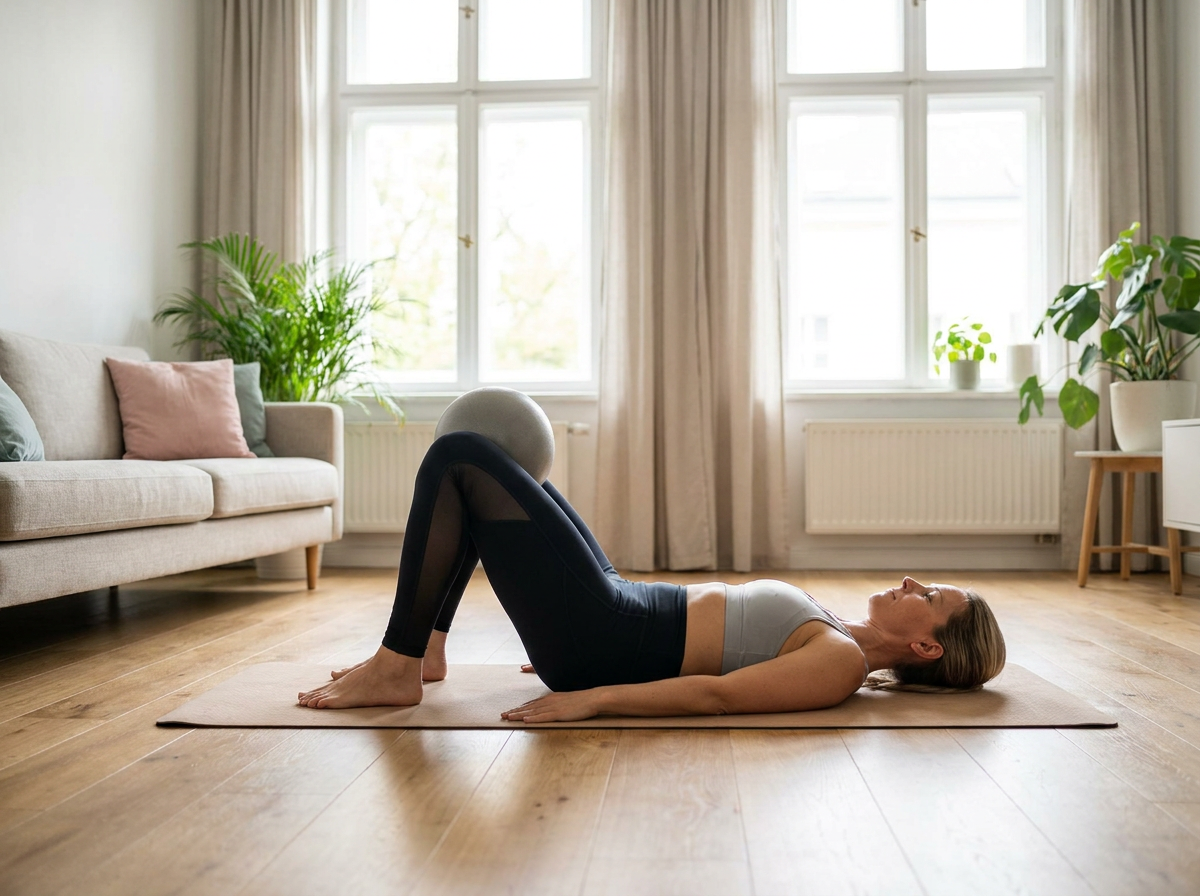
2) Controlled strength progressions
Over time, you may progress to:
side-lying adduction
Copenhagen progressions (graded carefully)
split squats / lateral lunges (when tolerated)
3) Return-to-run progression
A common order:
flat easy running first
build time/distance
add gentle strides
add cutting/change of direction
sprinting last
If you tell me whether your pain is sudden onset (felt a pull) or gradual onset, I can tailor this rehab section to match strain vs tendinopathy patterns more precisely.
What we can/can't do (honest expectations)
What we can do
identify whether it's adductor strain, hip flexor overload, hip joint irritation, or referral
reduce pain and stop the flare cycle
rebuild adductor/hip capacity so you can return to running and sport
give you a clear progression plan with checkpoints
help prevent recurrence (common with groin injuries)
What we can't do
promise an instant fix (groin tissues need progressive loading)
“stretch it away” without strength and load management
Book a free assessment in Chelmsford
If you're in Chelmsford, Great Baddow, Springfield, Writtle, Galleywood, Boreham or Chelmer Village and want a clear plan for groin pain, book a free assessment.
Revive Health Chelmsford
Call: 01245 956391 or 07723 503277
Website: https://www.revivehealthchelmsford.co.uk
FAQs: Groin pain / inner thigh pain
How do I know if it's adductor or hip flexor?
Adductor pain is usually inner thigh and hurts with squeezing knees together. Hip flexor pain is usually front of hip and hurts lifting the knee or sprinting uphill. Assessment confirms.
Should I stretch my groin?
Gentle mobility can help, but aggressive stretching early on can flare symptoms. Strength and graded exposure are usually more important.
Can I keep running?
Sometimes, if pain is mild and doesn't escalate. If it ramps up quickly or worsens next day, you likely need a short reset and a structured plan.
How long does it take to improve?
It varies. Mild strains can improve in weeks; persistent tendinopathy can take longer. Consistent rehab is key.
Do I need a scan?
Not always. If pain is persistent, deep in the groin with stiffness, or you're not improving, assessment helps decide if imaging is appropriate.
Disclaimer: This article is for general information only and isn't a substitute for medical advice. If you're worried about your symptoms, please seek appropriate medical care.