Golfer's Elbow Treatment in Chelmsford: Inner Elbow Pain When Gripping (What Helps and What to Avoid)
Golfer's elbow can be surprisingly disruptive. It's the kind of pain that shows up when you least expect it — lifting a kettle, carrying shopping bags, gripping a barbell, doing DIY, or even typing and using a mouse for long periods. And despite the name, you don't need to play golf to get it.
If you're searching for golfer's elbow treatment in Chelmsford (or nearby areas like Great Baddow, Springfield, Writtle, Galleywood, Boreham or Chelmer Village), this guide explains:
what golfer's elbow actually is (in plain English)
why it happens
what tends to work best
what to avoid so it doesn't keep flaring
when physiotherapy is worth booking
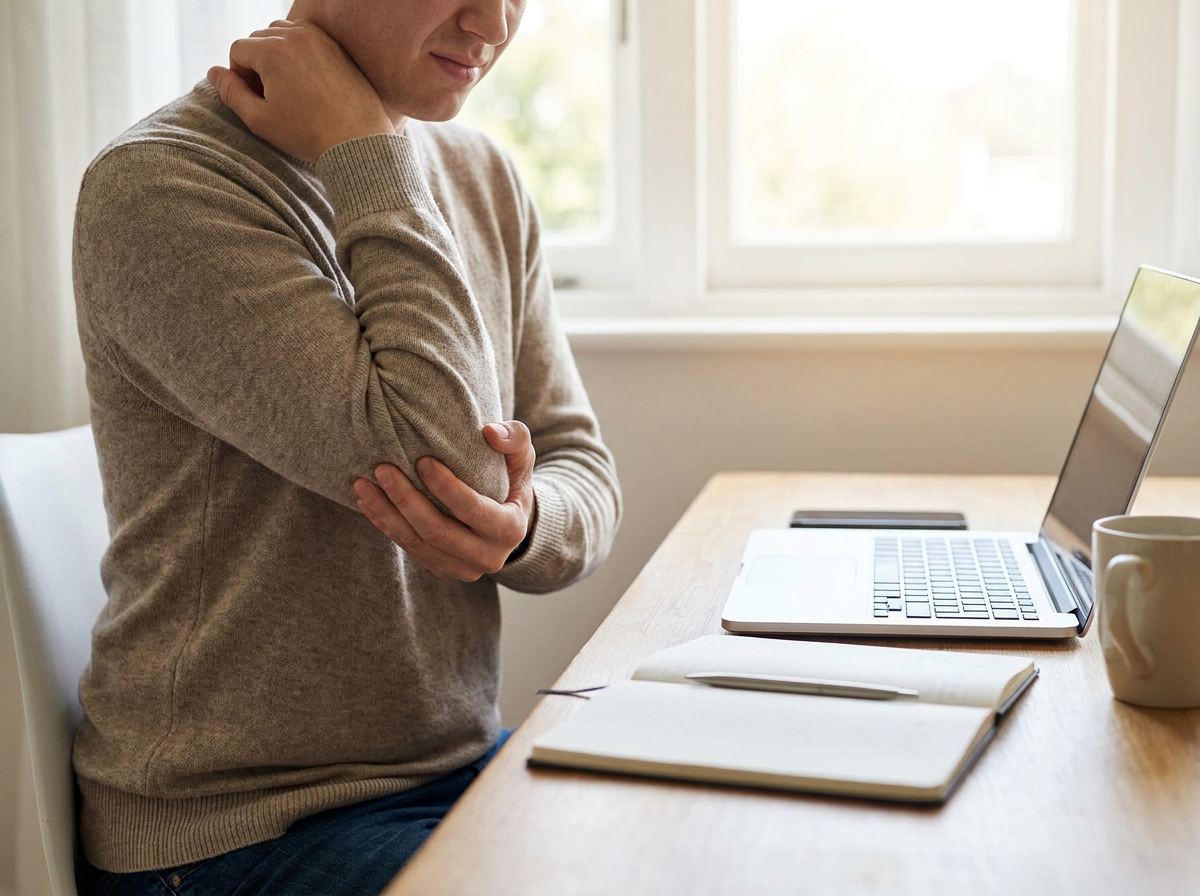
What is golfer's elbow?
Golfer's elbow is the common name for medial epicondylitis / medial elbow tendinopathy.
In simple terms:
the tendons on the inside of your elbow (that help flex your wrist, grip, and rotate the forearm) become overloaded and sensitive
it's usually not a single “tear” — it's more often a capacity problem (too much load, too soon, for what the tendon can currently tolerate)
The tendon group involved is often the common flexor tendon, which attaches near the bony bump on the inside of the elbow (the medial epicondyle).
Where does golfer's elbow pain usually sit?
Most people feel pain:
on the bony bump on the inside of the elbow
sometimes spreading into the inner forearm
often worse with gripping, lifting, or twisting tasks
A typical description is: “It hurts on the inside of my elbow when I grip or lift — especially with my palm facing up.”
Common symptoms of golfer's elbow
inner elbow pain when gripping (bags, tools, weights)
pain lifting with the palm up (biceps curls can flare it)
pain when twisting (opening jars, using a screwdriver)
forearm tightness or aching
tenderness on the inside of the elbow
reduced grip strength because it hurts (not always true weakness)
Golfer's elbow vs tennis elbow: what's the difference?
Tennis elbow = outside elbow pain (wrist extensors)
Golfer's elbow = inside elbow pain (wrist flexors/pronators)
They're both tendon load problems — just on different sides of the elbow.
Why golfer's elbow happens (the real drivers)
Most cases come down to a mismatch between load and capacity.
Common triggers include:
sudden increase in gym work (pull-ups, rows, heavy deadlifts, kettlebells)
lots of gripping with wrist flexion (biceps curls, chin-ups)
climbing/bouldering
DIY and tool use (hammering, drilling, sanding)
gardening (digging, pruning)
racquet sports or golf (especially if technique or volume changes)
repetitive work tasks (manual handling, trades, warehouse work)
It can also build gradually:
mild ache appears
you keep pushing through
tendon becomes more sensitive and flares with everyday tasks
What else can mimic golfer's elbow?
Inner elbow pain isn't always golfer's elbow. Other possibilities include:
ulnar nerve irritation (tingling/numbness into ring/little finger)
ligament irritation (especially after a sudden valgus stress)
referred pain from neck/shoulder
wrist/forearm muscle strain
joint irritation (less common)
If you have persistent tingling/numbness, clumsiness in the hand, or symptoms that worsen at night, get assessed.
What to do first (next 7–10 days)
The goal early on is to reduce repeated flare-ups while keeping the arm active.
1) Identify the top 1–2 aggravating tasks
Common culprits:
heavy carries (shopping bags)
curls/chin-ups/pull-ups
gripping tools for long periods
repetitive twisting (screwdriver, jar lids)
long DIY sessions without breaks
2) Modify how you do those tasks (quick wins)
use two hands for heavier items temporarily
keep loads closer to your body
reduce “death grip” on tools/weights
swap to straps/hooks temporarily in the gym for pulling movements (if appropriate)
break tasks into shorter blocks (avoid long marathons)
3) Don't stretch aggressively into sharp pain
Gentle mobility can be fine, but aggressive stretching can irritate a reactive tendon.
4) Use pain as a guide (simple rule)
Mild discomfort during rehab can be okay.
Sharp pain, worsening next-day pain, or pain that ramps up during the day usually means you did too much.
What to avoid (common mistakes)
complete rest for weeks (tendons usually need graded loading)
repeatedly “testing it” with painful grips/lifts
high-rep wrist flexion work too early
heavy curls/chin-ups when it's flaring
relying only on massage/ice without rebuilding capacity
pushing through because “it'll loosen up”
What actually works for golfer's elbow (the rehab roadmap)
The best approach is usually progressive tendon loading plus smart load management.
Phase 1: Calm it down + regain tolerance
Goals:
reduce daily flare-ups
improve grip tolerance
start gentle strength work
Common options (tailored to you):
isometric wrist flexion holds (pain-modulating for some)
light controlled wrist flexion/pronation strengthening
activity modifications for work/DIY/gym
Phase 2: Build strength (the long-term fix)
Goals:
increase tendon capacity so normal life doesn't flare it
restore grip strength and endurance
Typical focus:
progressive wrist flexor strengthening (load increases over time)
forearm endurance work
shoulder/scapular strength (often overlooked)
gradual return to heavier pulling and gripping
Phase 3: Return to sport/DIY/gym
Goals:
tolerate higher loads and repetitive tasks
reduce recurrence risk
Typical focus:
heavier strength work
faster loading (if needed for sport)
technique tweaks (golf swing, lifting form, tool use)
return-to-activity plan with clear progressions
Desk work and golfer's elbow (can it contribute?)
Desk work doesn't always cause golfer's elbow by itself, but it can contribute when combined with:
long hours without breaks
gripping the mouse tightly
wrist held flexed or awkwardly positioned
stress and reduced recovery
Helpful adjustments:
keep wrist more neutral
reduce grip tension on the mouse
micro-breaks (30–60 seconds) every 20–30 minutes
vary tasks if possible
Braces/straps: do they help?
A counterforce strap can help some people short-term by:
reducing tendon strain during gripping tasks
But it's not a cure. It's a “helper” while you rebuild capacity with rehab.
When to book a physio assessment
Book in if:
symptoms last more than 2–3 weeks
it's affecting work, sleep, gym, or daily tasks
you've tried resting and it keeps coming back
you're unsure if it's golfer's elbow vs nerve irritation
you want a structured plan and progressions
Same-day “red flag” note
Seek urgent medical advice if you have:
major swelling/redness/heat with fever
sudden severe pain after trauma
significant weakness or numbness that's worsening
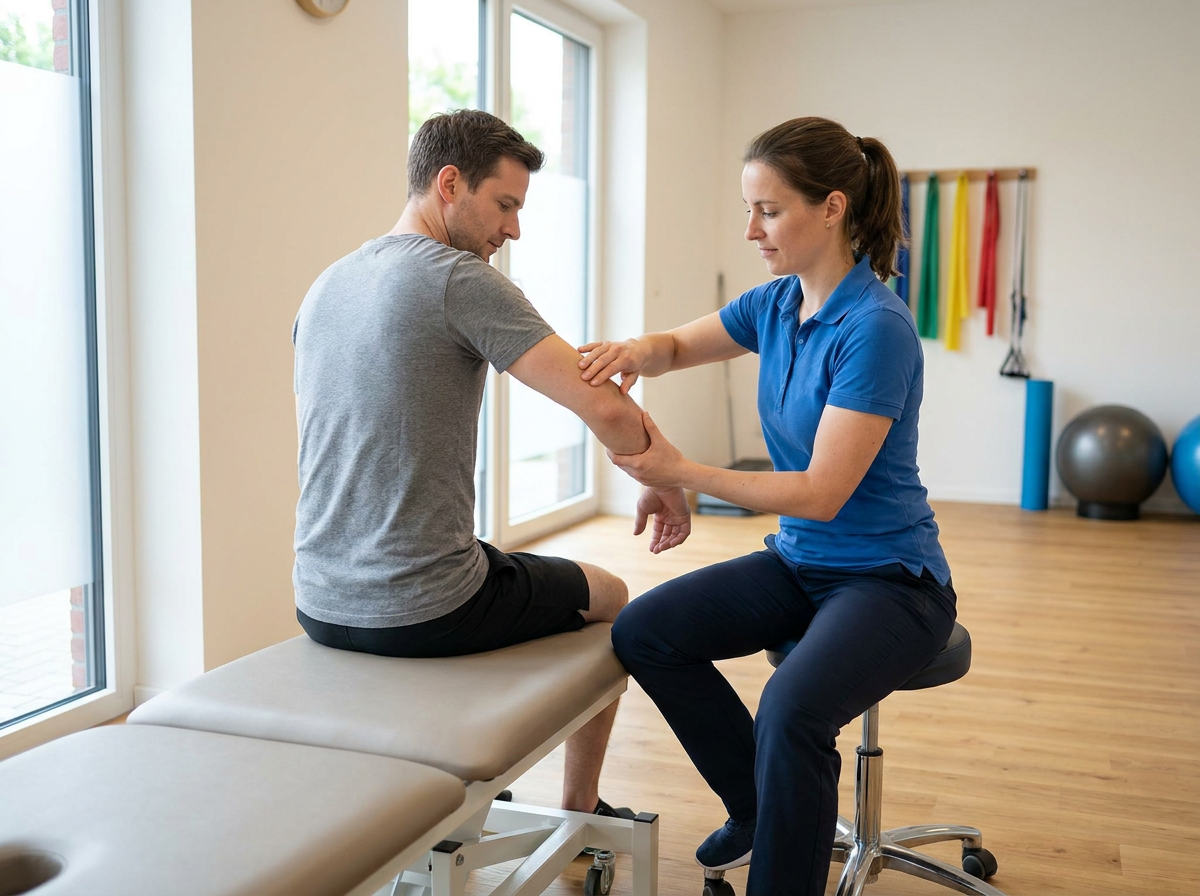
What a physio assessment should include
A thorough assessment typically checks:
exact pain location and symptom triggers
wrist flexion/pronation testing
grip strength testing
elbow and wrist joint mobility
ulnar nerve screening (if symptoms suggest it)
neck/shoulder screening (referral patterns)
work/gym/sport load history
a clear rehab plan with progressions
A simple “starter” rehab approach (general guidance)
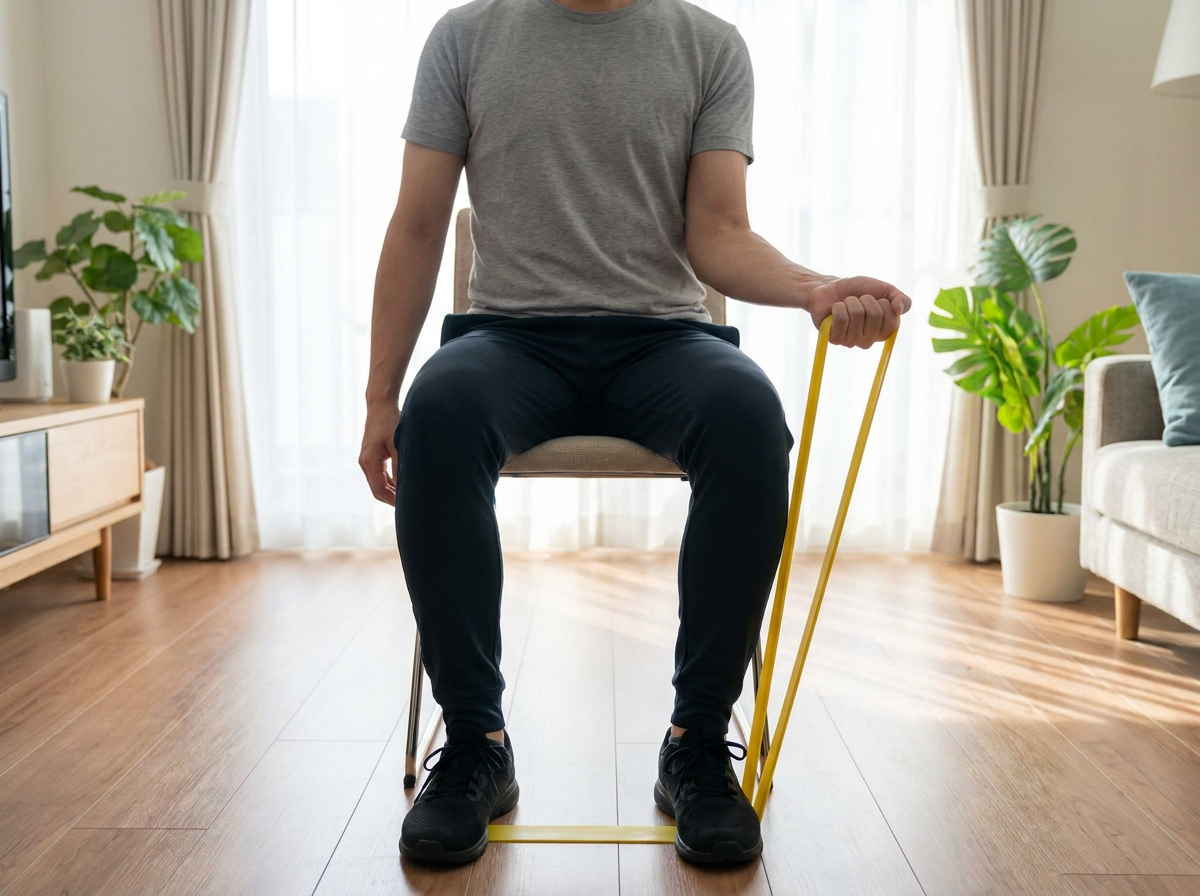
Exact exercises depend on your assessment, but common categories include:
Isometrics (early pain-modulating loading)
Slow controlled strengthening (wrist flexion + pronation)
Grip endurance (progressed carefully)
Shoulder/scapular strength (better arm mechanics under load)
Return-to-lifting plan (so you don't flare it again)
What we can/can't do (honest expectations)
What we can do
confirm whether it's likely golfer's elbow or something else
reduce pain and improve grip tolerance
build tendon capacity with progressive loading
guide return to gym, DIY, and sport safely
reduce recurrence risk with a prevention plan
What we can't do
promise an overnight fix (tendons adapt over time)
“treat it away” without progressive rehab
guarantee it won't recur (but we can make it far more resilient)
Book a free elbow assessment in Chelmsford
If you're in Chelmsford, Great Baddow, Springfield, Writtle, Galleywood, Boreham or Chelmer Village and want a clear plan for inner elbow pain, book a free assessment.
Revive Health Chelmsford
Call: 01245 956391 or 07723 503277
Website: https://www.revivehealthchelmsford.co.uk
FAQs: Golfer's elbow
How long does golfer's elbow take to heal?
It varies. Many people improve over weeks with consistent rehab; longer-standing cases can take longer. Progressive loading and avoiding repeated flare-ups are key.
Should I stop the gym?
Not necessarily. You may need to modify pulling/gripping loads temporarily and build back gradually.
Is golfer's elbow inflammation?
Not always. It's often more of a tendon overload process than classic inflammation — which is why strengthening tends to help more than rest alone.
Can massage fix it?
Massage can help symptoms, but long-term improvement usually requires progressive strengthening and load management.
What if I get tingling in my hand?
That may suggest nerve involvement (often the ulnar nerve). It's a good reason to get assessed so you're treating the right thing.
Disclaimer: This article is for general information only and isn't a substitute for medical advice. If you're worried about your symptoms, please seek appropriate medical care.