Foot Arch Pain Treatment in Chelmsford: Pain in the Arch When Walking (What Helps and What to Avoid)
Foot arch pain can be deceptively annoying. It might start as a mild ache after a longer walk, then gradually become the thing you notice every morning, every time you stand up after sitting, or every time you try to get back into running or gym work. The arch is designed to absorb and transfer load — so when something in the system is irritated (plantar fascia, tendons, joints, nerves), walking can become uncomfortable fast.
If you're searching for foot arch pain treatment in Chelmsford (or nearby areas like Great Baddow, Springfield, Writtle, Galleywood, Boreham or Chelmer Village), this guide will help you:
narrow down likely causes based on where it hurts and what triggers it
know what to do in the first 7 days
understand what physio treatment typically involves
spot signs that mean you should get assessed sooner
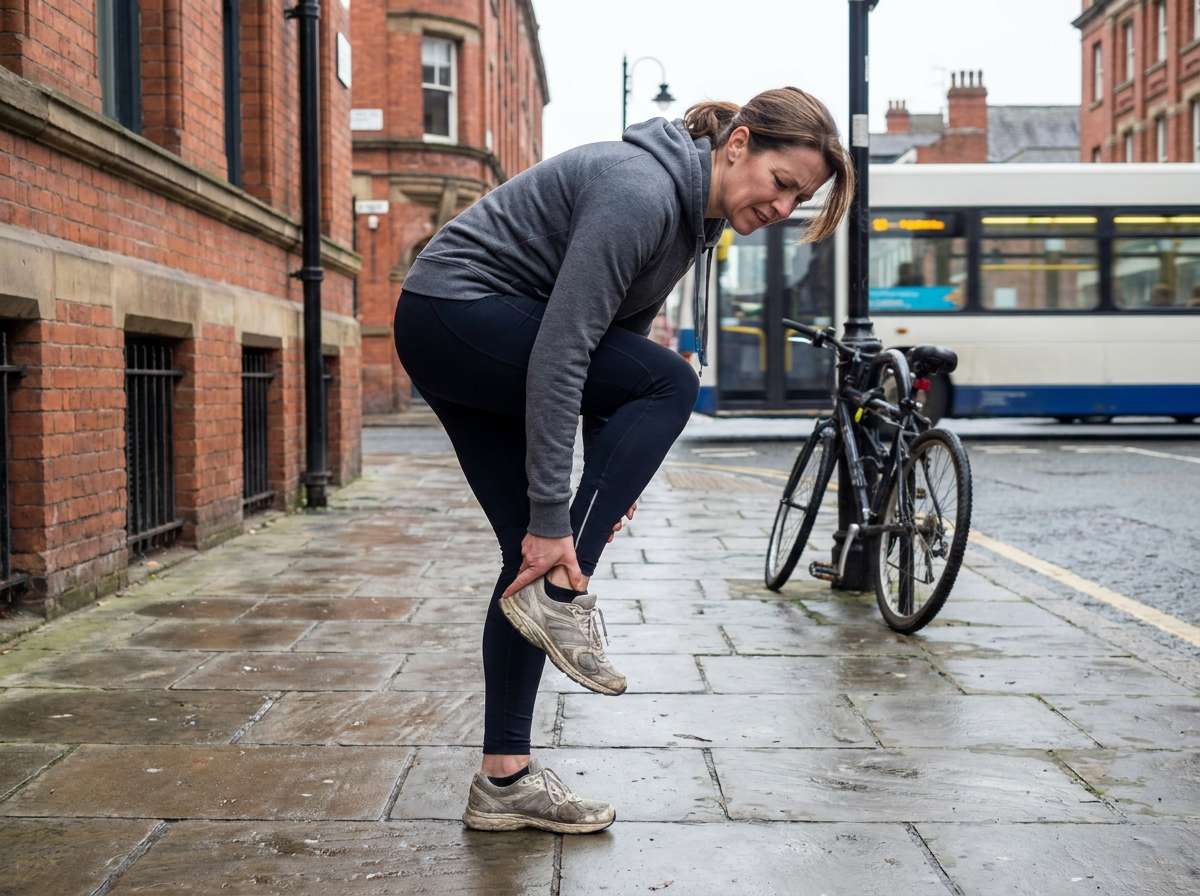
Step 1: Where exactly is the arch pain?
“Arch pain” can mean different things. The location gives clues.
A) Pain closer to the heel/inner arch
Often linked with:
plantar fascia irritation (plantar fasciitis pattern)
heel/arch overload from sudden step increases
Typical triggers:
first steps in the morning
after sitting then standing
long walks on hard ground
B) Pain in the middle of the arch
Often linked with:
plantar fascia overload
intrinsic foot muscle fatigue
midfoot joint irritation
Typical triggers:
long standing
long walks
unsupportive footwear
C) Pain closer to the ball of the foot / forefoot arch
Often linked with:
overload of the forefoot structures
toe flexor tendon irritation
sometimes nerve irritation
Typical triggers:
fast walking/running
hills
tight shoes
D) Pain on the inside of the arch/ankle
Often linked with:
posterior tibial tendon irritation (supports the arch)
overload from prolonged standing/walking
Typical triggers:
longer walks
standing for long periods
walking in flat/unsupportive shoes
Step 2: Common causes of arch pain (and what they feel like)
1) Plantar fascia irritation (common)
The plantar fascia supports the arch and helps manage load.
Clues:
pain in the inner arch/heel area
worse on first steps in the morning
eases as you warm up, then returns later
flares after long standing/walking
Often triggered by:
sudden increase in steps
change in footwear
lots of barefoot time on hard floors
reduced calf/foot capacity
2) Posterior tibial tendon irritation (inside ankle/arch)
This tendon helps support the arch and control foot mechanics.
Clues:
pain on the inside of the ankle and into the arch
worse with longer walks/standing
fatigue in the arch
sometimes worse on uneven ground
Often linked with:
sudden increase in walking
unsupportive footwear
reduced calf/foot strength
3) Intrinsic foot muscle overload (arch fatigue)
Your small foot muscles help maintain the arch during walking.
Clues:
arch feels tired/achy after activity
pain builds during long walks
improves with rest
less “first step” morning pain compared to plantar fascia patterns
4) Midfoot joint irritation
Clues:
pain more central in the arch
stiffness, sometimes swelling
pain with pushing off
can feel “bony” or deep rather than tendon-like
5) Nerve irritation (less common but important)
Clues:
burning, tingling, pins and needles
pain that feels “electric”
symptoms affected by shoe pressure
If you have persistent tingling/numbness, get assessed.
Why arch pain often shows up when walking
Walking is repetitive loading. Arch pain often appears when:
your step count increases quickly (holidays, new routine, busy week)
you add hills or long distances
you switch footwear suddenly
you're doing lots of standing on hard floors
calf/foot capacity isn't ready for the demand
A common pattern is “boom and bust”:
pain flares → you rest a lot → it settles → you return to the same volume → it flares again
The fix is usually:
reduce to a tolerable baseline
rebuild capacity
progress gradually
What to do in the first 7 days (practical steps)
If your arch is currently flared, start here.
1) Reduce the biggest aggravator (temporarily)
Common ones:
long walks
hills
lots of standing
barefoot time on hard floors
Instead of stopping completely:
split one long walk into two shorter walks
choose flatter routes
build back gradually
2) Wear supportive footwear for now
Short-term, many people do better with:
cushioned supportive trainers
avoiding very flat shoes during a flare
supportive indoor footwear rather than barefoot on hard floors
3) Don't aggressively stretch into sharp pain
Gentle calf mobility can help, but forcing painful arch stretches can flare symptoms.
4) Start building capacity early (key)
For many arch pain problems, the long-term fix is:
calf strength and endurance
arch strength (intrinsic foot muscles)
tendon capacity (posterior tibial / plantar fascia tolerance)
gradual exposure to walking load
What to avoid (common mistakes)
pushing through long walks daily because “it's just my foot”
going barefoot on hard floors during a flare
aggressive rolling on a very sore arch (can irritate)
only using massage/ice without rebuilding strength
sudden switch to minimalist shoes
returning to hills too quickly
When to book a physio assessment
Book in if:
pain lasts more than 2–3 weeks
it's affecting walking, work, or sleep
symptoms keep recurring when you increase activity
you're unsure if it's plantar fascia vs tendon vs joint
you have tingling/numbness or burning pain
you want a clear plan and progressions
Same-day “red flag” note
Seek urgent medical advice if you have:
severe pain after trauma
inability to weight-bear
hot/red swollen foot with fever/unwell
rapidly worsening numbness/tingling
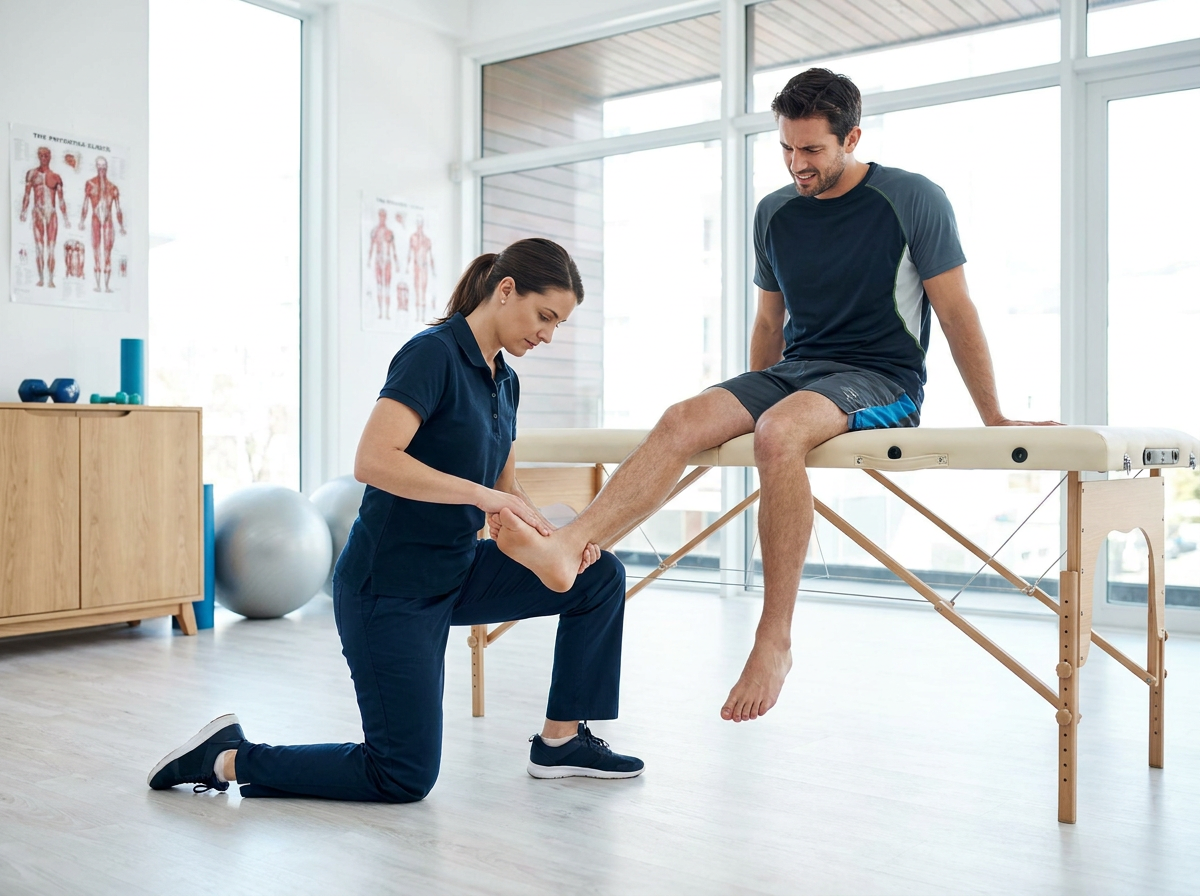
What a physio assessment for arch pain should include
A thorough assessment typically checks:
exact pain location and symptom pattern (morning vs activity-related)
calf flexibility and ankle mobility
foot strength and arch control
posterior tibial tendon signs (if medial pain)
walking mechanics
footwear and load history
ruling out nerve/joint issues if needed
a clear plan with milestones
How physio treatment usually helps (the roadmap)
Phase 1: Calm symptoms and stop flare-ups
identify triggers and set a walking baseline
footwear guidance
gentle mobility where appropriate
start foundational strength without flaring pain
Phase 2: Build capacity (strength + endurance)
Often includes:
calf strengthening (straight-knee + bent-knee)
intrinsic foot strengthening (arch control)
posterior tibial strengthening (if relevant)
progressive walking tolerance plan
Phase 3: Return to full activity
reintroduce hills and longer distances
return to running if relevant
prevention plan to reduce recurrence risk
A simple “starter” arch-strength approach (general guidance)
Exact exercises depend on your assessment, but common categories include:
1) Short-foot / arch doming (intrinsic strength)
This trains the small muscles that support the arch without curling the toes.
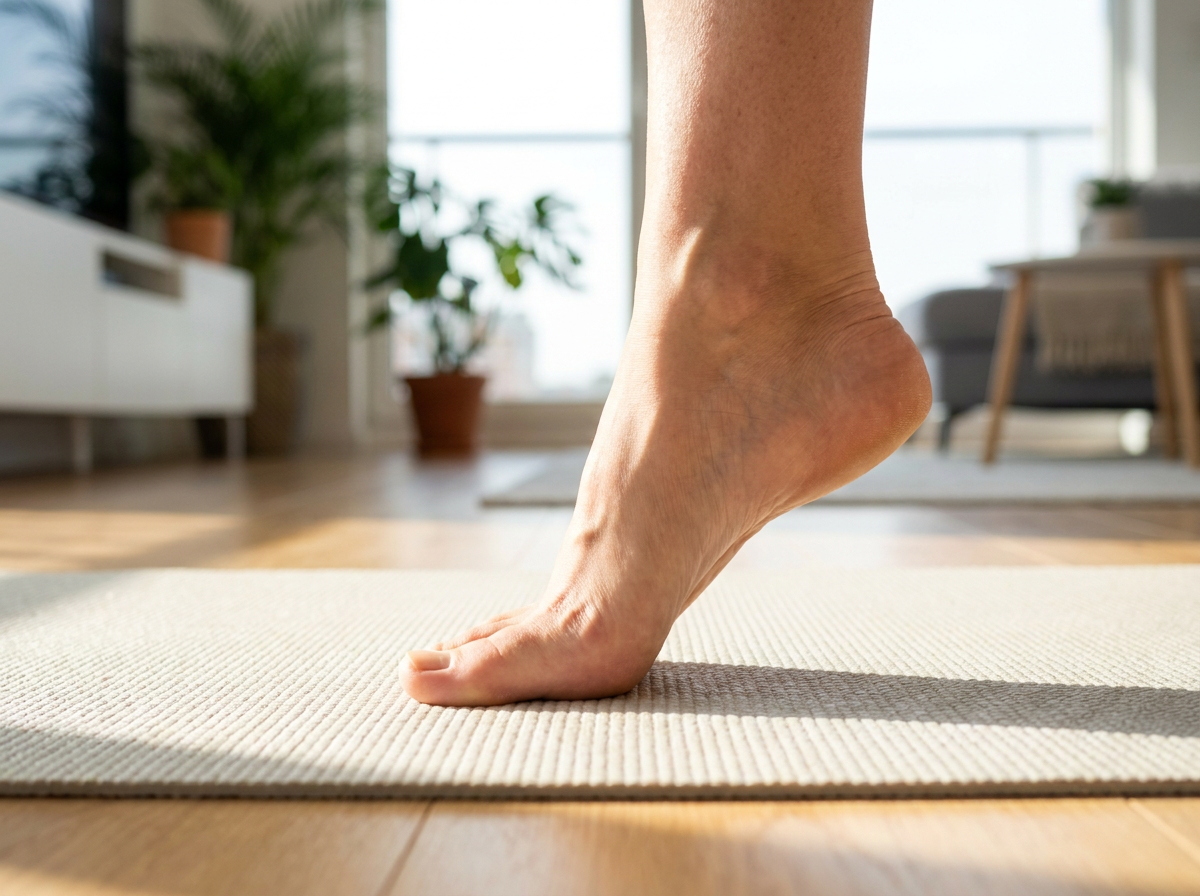
2) Calf raises (strength + endurance)
Calves influence how much load goes through the foot and arch.
3) Posterior tibial strengthening (if inside-arch pain)
Helps support the arch and control pronation under load.
4) Balance and control
Single-leg balance progressions can improve foot/ankle control.
What we can/can't do (honest expectations)
What we can do
identify whether your arch pain is likely plantar fascia, tendon, joint, or overload-related
reduce pain and improve walking tolerance
rebuild foot/calf capacity to prevent recurrence
guide a safe return to longer walks, hills, or running
provide a clear plan with progressions and checkpoints
What we can't do
diagnose every cause without assessment (arch pain overlaps)
promise an instant fix (capacity building takes time)
“treat it away” without progressive rehab
Book a free foot assessment in Chelmsford
If you're in Chelmsford, Great Baddow, Springfield, Writtle, Galleywood, Boreham or Chelmer Village and want a clear plan for arch pain, book a free assessment.
Revive Health Chelmsford
Call: 01245 956391 or 07723 503277
Website: https://www.revivehealthchelmsford.co.uk
FAQs: Foot arch pain
Why does my arch hurt more in the morning?
If the plantar fascia is involved, first steps can be painful because the tissue is stiff after rest and then suddenly loaded.
Should I keep walking?
Often yes, but reduce to a tolerable baseline and build up gradually. Repeated flare-ups slow progress.
Do I need insoles?
Not always. Some people benefit short-term, but many improve with footwear changes and strengthening. Assessment helps decide.
Is arch pain always plantar fasciitis?
No. Tendons (posterior tibial), joints, intrinsic muscle fatigue, and nerve irritation can also cause arch pain.
How long does it take to improve?
It depends on the cause and how long it's been there. Many people improve over weeks with consistent rehab and sensible load progression.
Disclaimer: This article is for general information only and isn't a substitute for medical advice. If you're worried about your symptoms, please seek appropriate medical care.