Calf Strain Treatment in Chelmsford: Pulled Calf Muscle (What Helps, What to Avoid, and How to Get Back to Running)
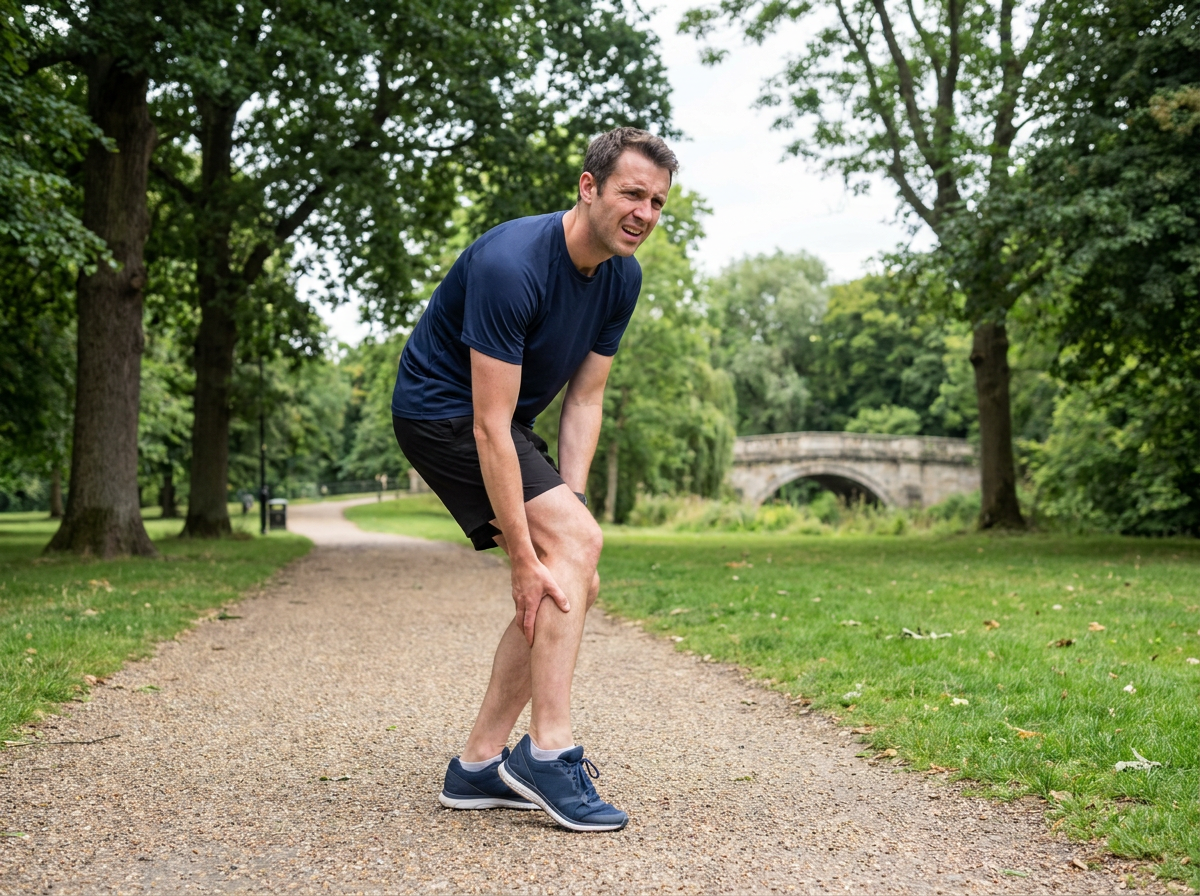
A calf strain can stop you in your tracks. It often happens suddenly — a sharp pain in the back of the lower leg during a run, a sprint, a hill, or even a quick step off a curb. Some people describe it as feeling like someone “kicked” them in the calf.
The good news: most calf strains recover really well with the right plan. The key is to:
calm it down early
avoid re-straining it in week 2–3 (very common)
rebuild calf strength and endurance properly
return to running gradually, not all at once
If you're searching for calf strain treatment in Chelmsford (or nearby areas like Great Baddow, Springfield, Writtle, Galleywood, Boreham or Chelmer Village), this guide will help you understand what's going on and what actually helps.
First: when calf pain needs urgent medical advice
Most calf strains are not dangerous, but calf pain can sometimes be linked to conditions that need medical screening.
Seek urgent medical advice today if you have:
significant calf swelling, redness, warmth, and tenderness (especially after travel/immobility)
breathlessness or chest pain (medical emergency)
severe pain after a “pop” with inability to push off (Achilles rupture concern)
numbness, cold foot, or colour change
fever or feeling unwell with spreading redness
If you're unsure, get checked.
What is a calf strain?
A calf strain is a tear (small or larger) in one of the calf muscles, most commonly:
gastrocnemius (the bigger, more superficial calf muscle)
soleus (deeper, endurance-focused muscle)
sometimes the plantaris (less common)
Calf strains often happen when the muscle is asked to produce force while lengthening — for example:
pushing off to sprint
accelerating
running uphill
sudden change of direction
jumping/landing
What does a calf strain feel like?
Typical symptoms include:
sudden sharp pain in the calf
pain that makes you stop running
pain with pushing off or going up on tiptoes
pain walking (especially fast walking)
tenderness in a specific spot
sometimes bruising (often appears later)
stiffness the next morning
“I felt like someone kicked me”
That classic “kicked” feeling can happen with a calf strain — but it can also happen with an Achilles rupture. If you can't push off or do a calf raise, get assessed urgently.
Calf strain grades (rough guide)
Mild (Grade 1)
tightness or small sharp pain
you can usually still walk
running is painful
recovery often 1–3 weeks (varies)
Moderate (Grade 2)
more significant pain
limping
bruising/swelling possible
recovery often 3–8+ weeks
Severe (Grade 3)
major tear
significant weakness
often immediate swelling/bruising
needs prompt assessment and a structured rehab plan
Why calf strains happen (common causes and triggers)
1) A spike in running intensity
Speed sessions, hills, sprints, or returning too fast after time off.
2) Fatigue and under-recovery
Calves are endurance muscles. Poor sleep and high stress can reduce tissue recovery and increase strain risk.
3) Not enough calf strength/endurance for your training
A very common issue in runners who:
increase mileage
do lots of hills
do lots of intervals
switch to faster shoes
without building calf capacity.
4) Limited ankle mobility or altered mechanics
Not always the “cause,” but can influence load distribution.
5) Previous calf/Achilles history
Old injuries can reduce capacity if rehab wasn't completed fully.
What to do in the first 72 hours (practical steps)
The goal is to protect the tissue and keep it from worsening.
1) Reduce load and avoid stretching hard
Avoid:
aggressive calf stretching
deep massage early on
running “to test it”
2) Keep walking short and comfortable
If you're limping, shorten stride and reduce pace. If walking is very painful, get assessed.
3) Gentle compression can help swelling
A compression sleeve can feel supportive (not essential, but often helpful).
4) Elevation and relative rest
Especially if swelling is present.
5) Pain relief as appropriate
Follow medical advice/pharmacist guidance.
What to do in days 4–14 (where people often go wrong)
This is the danger zone: it starts to feel better, then people do too much too soon.
Your goals in week 1–2:
restore comfortable walking
start gentle calf loading (pain-smart)
build tolerance gradually
avoid sudden accelerations, hills, and long strides
A useful rule:
keep pain during rehab at 0–3/10
no significant next-day flare
if it's worse the next day, reduce volume/intensity
What to avoid (common mistakes)
stretching the calf hard because it feels “tight”
foam rolling aggressively in the first week
returning to hills/sprints as soon as walking is okay
doing one big rehab session once a week (better: small, frequent)
ignoring the soleus (deep calf) in rehab
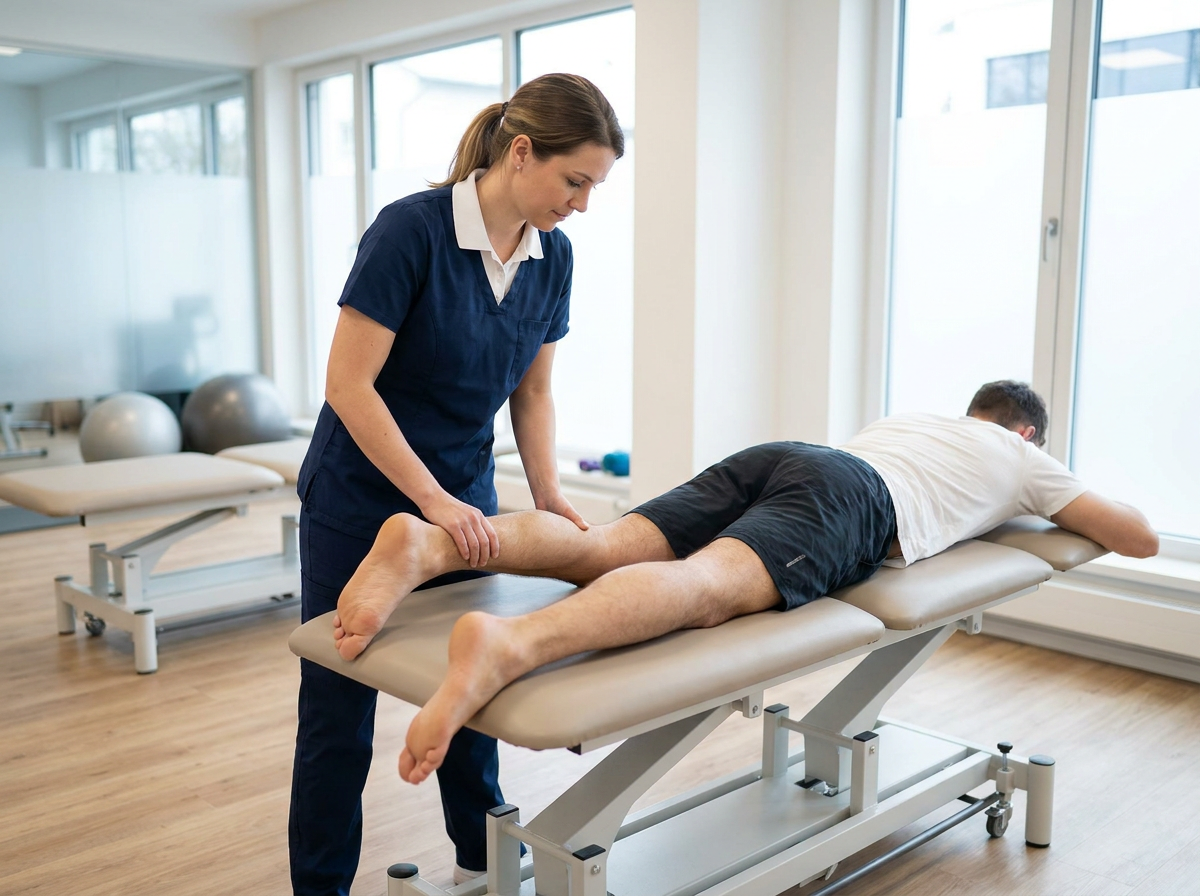
What a physio assessment should include
A thorough calf strain assessment typically checks:
exact location (gastroc vs soleus vs Achilles)
severity and irritability
bruising/swelling patterns
calf strength (both straight-knee and bent-knee)
ankle mobility and foot mechanics (as contributors)
running history and training errors
a graded return-to-run plan with milestones
Exercises that usually help (general guidance)
Your exact plan depends on severity, but these are common building blocks.
Phase 1: Isometrics (pain-calming strength)
gentle calf isometric holds can reduce pain and maintain strength
start double-leg, progress to single-leg as tolerated
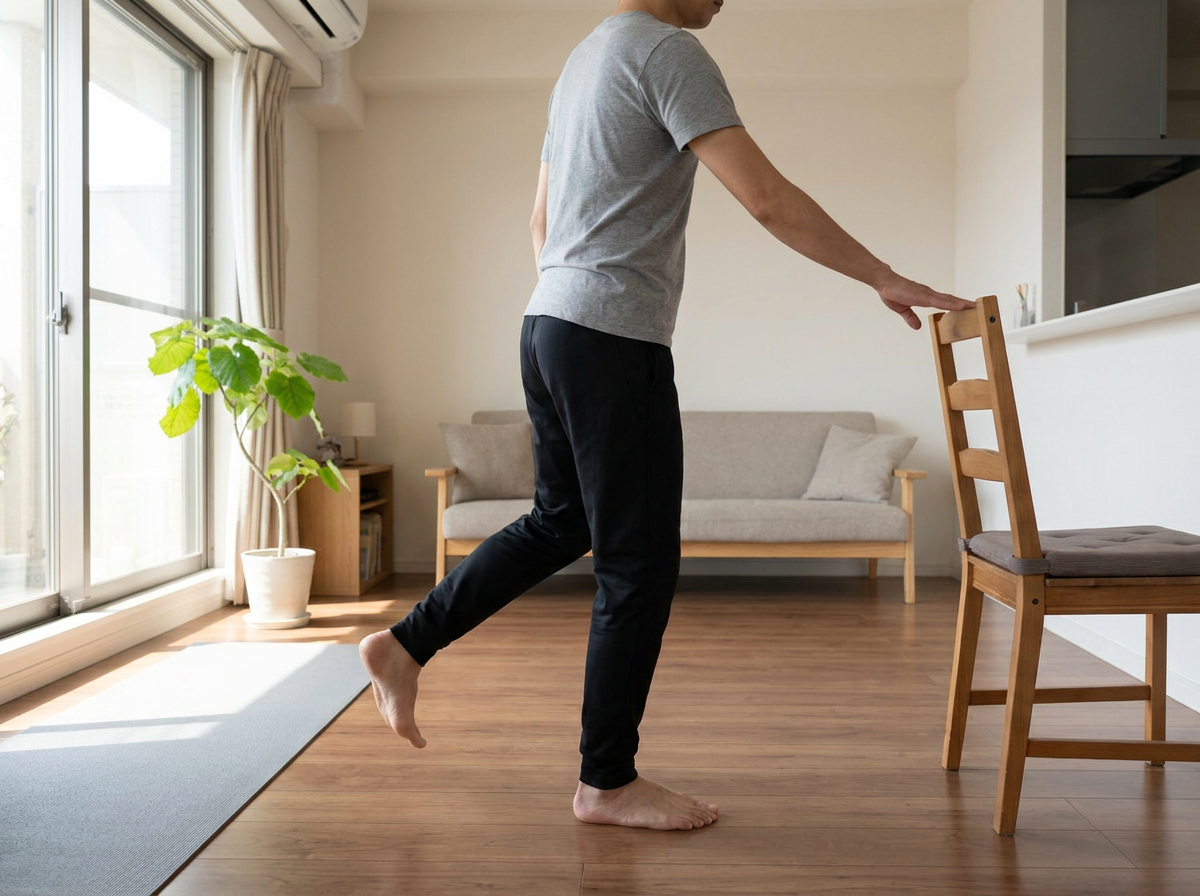
Phase 2: Calf raises (progressive loading)
Start with:
double-leg calf raises
Then:
single-leg calf raises
Then:
add load (backpack/weights)
Phase 3: Soleus-focused work (bent-knee calf)
Soleus is crucial for running endurance and often undertrained.
Phase 4: Plyometrics and running drills (later stage)
hopping progressions
skipping drills
strides and accelerations
Only when strength and walking tolerance are solid.
If you tell me whether your pain is higher up (gastroc) or deeper/lower (soleus/Achilles area), I can tailor the rehab emphasis.
Return to running: a simple framework
A safe return usually includes:
Walking is pain-free and non-limping
You can do repeated calf raises with good control
You can hop lightly (later stage) without sharp pain
You reintroduce running gradually (flat first, then hills, then speed)
Common return-to-run mistake
Doing a “test run” that's too long. Better:
short run/walk intervals
flat route
stop while it still feels okay
How long does a calf strain take to heal?
Rough guide (varies a lot):
mild: often 1–3 weeks
moderate: often 3–8+ weeks
recurring/complex: longer, but still very treatable with a structured plan
If you're not improving steadily, or you keep re-straining it, get assessed.
What we can/can't do (honest expectations)
What we can do
confirm whether it's calf strain vs Achilles issue
reduce pain and restore walking quickly in many cases
rebuild calf strength/endurance properly
guide a graded return to running (including hills/speed)
reduce recurrence risk with a realistic plan
What we can't do
promise it will tolerate sprinting too early
fix it permanently without progressive loading (tendons/muscles need capacity)
Book a free assessment in Chelmsford
If you're in Chelmsford, Great Baddow, Springfield, Writtle, Galleywood, Boreham or Chelmer Village and want a clear plan for a pulled calf muscle (especially if you're a runner), book a free assessment.
Revive Health Chelmsford
Call: 01245 956391 or 07723 503277
Website: https://www.revivehealthchelmsford.co.uk
FAQs: Pulled calf muscle / calf strain
How do I know if it's a calf strain or Achilles problem?
Calf strains are usually higher in the muscle belly and hurt with squeezing the calf. Achilles issues are closer to the heel tendon and often hurt with tendon palpation and push-off. Assessment can confirm.
Should I stretch it?
Not aggressively early on. Gentle mobility is fine, but hard stretching in the first week often delays healing.
Can I cycle or swim?
Often yes if it's pain-free and doesn't flare symptoms the next day. Avoid hard pushing through the pedals early on.
Why does it keep coming back?
Usually because calf capacity (strength/endurance) hasn't fully caught up to training demands, or return-to-run was too fast.
Do I need a scan?
Many calf strains don't. If symptoms are severe, not improving, or there's concern about Achilles rupture, imaging may be considered.
Disclaimer: This article is for general information only and isn't a substitute for medical advice. If you're worried about your symptoms, please seek appropriate medical care.