Calf Strain Rehab in Chelmsford: Pulled Calf Muscle Recovery (What Helps and What to Avoid)
A calf strain can stop you in your tracks — sometimes literally. One push-off, one sprint, one awkward step off a kerb and suddenly you feel a sharp pain in the back of the lower leg. Some people describe it as being “shot” or “kicked” in the calf. Others feel a gradual tightening that becomes painful over the next day.
The frustrating part is that calves often feel better quickly… but they're also one of the most common injuries to recur if you return to walking/running too soon or skip the right strengthening progressions.
If you're searching for calf strain rehab in Chelmsford (or nearby areas like Great Baddow, Springfield, Writtle, Galleywood, Boreham or Chelmer Village), this guide explains:
what a calf strain is (and what it isn't)
what to do in the first 48 hours and first week
the rehab phases that reduce re-injury risk
what to avoid (common mistakes)
how physio helps you return to running and sport safely
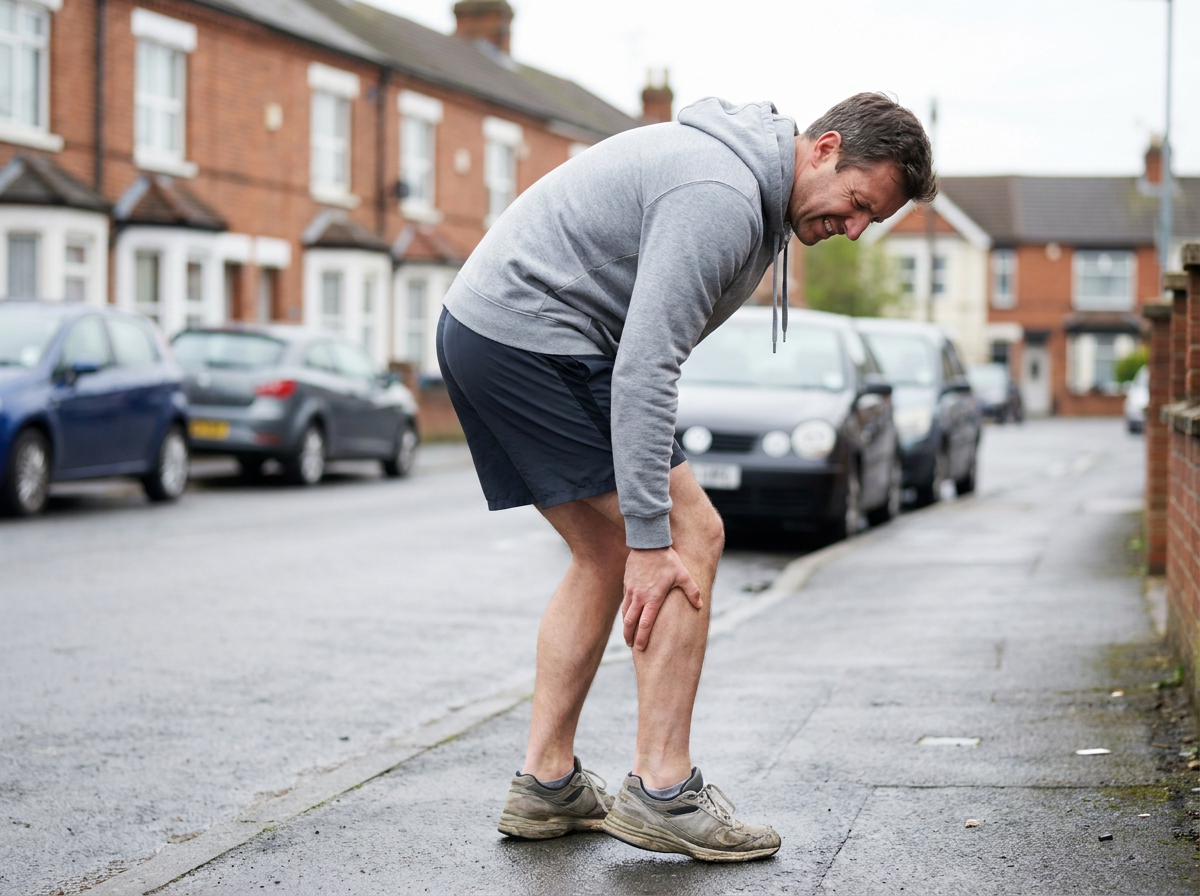
What is a calf strain?
A calf strain is when some fibres in the calf muscle-tendon unit are overstretched or torn. The two main calf muscles are:
Gastrocnemius (the bigger muscle you can see; crosses the knee and ankle)
Soleus (deeper; crosses the ankle only)
Both attach into the Achilles tendon and help you:
push off when walking and running
go up stairs
jump
control landing and deceleration
Calf strain grades (rough guide)
Grade 1: mild strain, tightness/discomfort, you can usually walk
Grade 2: moderate tear, more pain, possible bruising/swelling, limping common
Grade 3: severe tear/rupture, significant pain and weakness, difficulty weight-bearing
Most calf strains are Grade 1–2 and recover well with the right plan.
Where does it hurt? (Gastrocnemius vs soleus)
Location and triggers can give clues:
Gastrocnemius strain tends to feel:
higher up in the calf (often inner side)
worse with the knee straight (e.g., sprinting, big push-off)
often a sudden “pop” sensation
Soleus strain tends to feel:
lower/deeper in the calf
worse with the knee bent (e.g., jogging, longer runs, hills)
can be more gradual and “naggy”
This matters because rehab progressions can differ slightly.
Calf strain vs Achilles vs DVT (important)
Not all calf pain is a simple muscle strain.
Could it be Achilles-related?
If pain is closer to the heel/Achilles and worse with tendon pinching or shoes rubbing, it may be more tendon-related.
Could it be a clot (DVT)?
A DVT is less common, but it's serious. Seek urgent medical advice the same day if you have calf pain with:
significant swelling (especially one-sided)
redness/heat
unexplained shortness of breath or chest pain (call emergency services)
recent surgery/immobility/long travel + calf symptoms
If you're unsure, it's always safer to get checked.
What to do in the first 48 hours
The early goal is to protect the area and avoid turning a small strain into a bigger one.
1) Reduce the aggravator
Avoid:
sprinting
hills
jumping
long strides
stretching hard into pain
2) Walk within tolerance (don't force it)
If you're limping heavily, reduce walking volume and consider support. A short period of relative rest is often sensible.
3) Compression and elevation (optional)
If there's swelling, compression can help comfort.
4) Don't “test it” repeatedly
Repeated calf raises or sudden push-offs to “see if it's better” can keep it irritated.
What to do in the first 7–10 days (the key phase)
This phase sets the tone for recovery.
Step 1: Normal walking first
Early milestones:
walking without a limp
stairs manageable
no sharp pain spikes in daily movement
Step 2: Start early strength (but the right type)
Calves respond well to:
isometrics early (static holds)
then controlled strengthening through a comfortable range
Step 3: Avoid aggressive stretching early
Early tightness is often protective. Aggressive stretching can irritate healing tissue.
Common mistakes that cause calf strains to recur
returning to running because it “feels okay” walking
doing hills too early
sprinting too soon (biggest re-injury trigger)
only resting and waiting (no progressive strengthening)
skipping endurance work (calves need stamina, not just strength)
ignoring fatigue (calves fail when tired)
Why calf strains re-injure so often
Calves are high-demand tissues. Re-injury risk rises when:
strength isn't fully restored (especially single-leg strength)
endurance isn't rebuilt (calves fatigue early)
you return to speed/hills too quickly
you compensate with altered gait mechanics
you don't reintroduce plyometrics/sprinting gradually (if relevant)
What a physio assessment for calf pain should include
A good assessment typically checks:
exact pain location and severity
whether it's more gastrocnemius vs soleus pattern
swelling/bruising and tenderness
ankle range of motion
calf strength (single-leg heel raise capacity)
walking mechanics (are you avoiding push-off?)
return-to-run readiness markers
screening for Achilles involvement if relevant
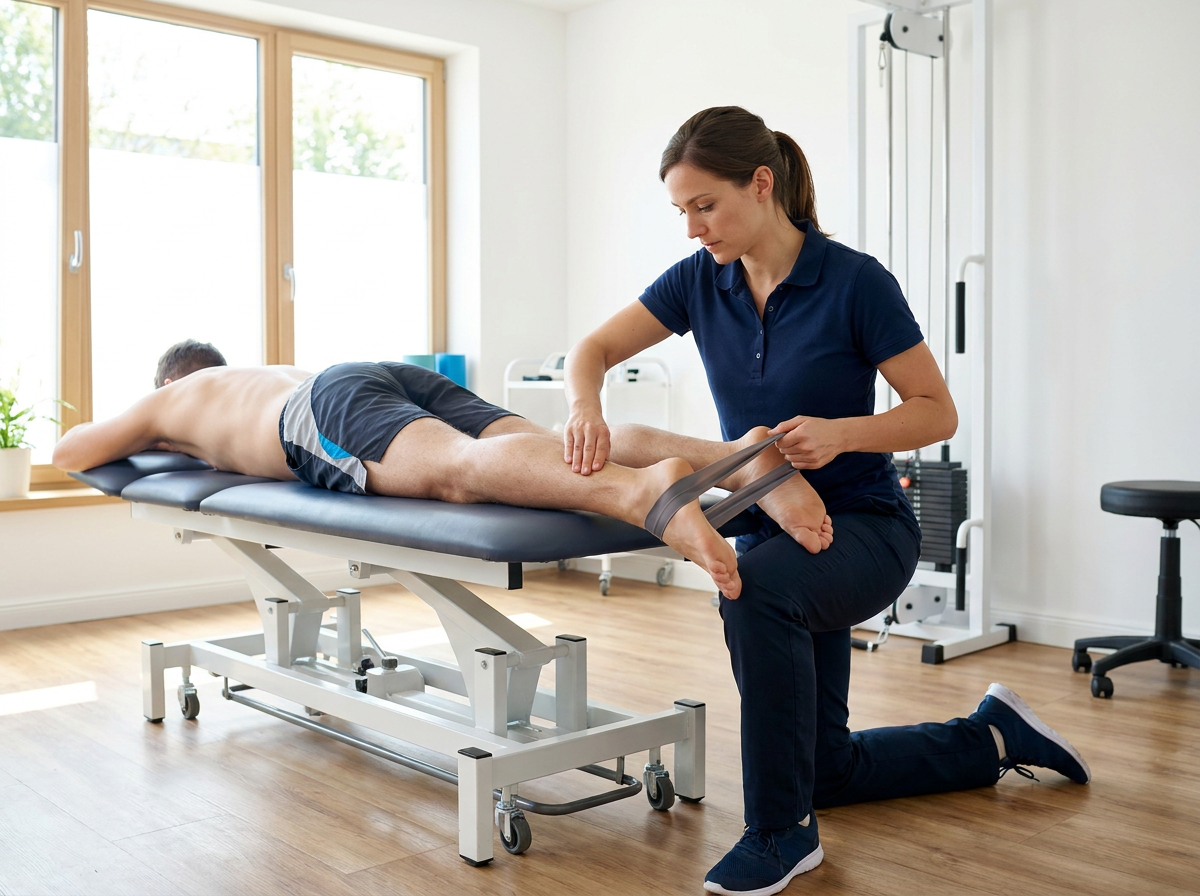
Calf strain rehab: the roadmap that works
Phase 1: Settle symptoms + restore basic strength
Goals:
normal walking
reduce pain with daily tasks
restore gentle calf strength
Typical focus:
isometric calf holds (pain-modulating for some)
double-leg heel raises (as tolerated)
gentle ankle mobility
gradual increase in walking tolerance
Phase 2: Build strength through range (controlled)
Goals:
stronger calf complex
tolerate longer walks
prepare for jogging
Typical focus:
progressive heel raises (increasing load)
bent-knee heel raises (soleus focus)
single-leg strength progressions
controlled step work
Phase 3: Endurance + spring (key for running)
Goals:
calf stamina for repeated steps
prepare for faster running and hills
Typical focus:
higher-rep calf endurance sets
loaded carries (if appropriate)
pogo hops / skipping prep (graded)
gradual hill exposure later
Phase 4: Return to running/sport (graded)
Goals:
return to steady running first
then add hills, speed, and sprinting
reduce recurrence risk
Typical focus:
walk-jog intervals
gradual volume increases
strides (short faster efforts)
sprint progressions last (if needed)
A simple return-to-running approach (general guidance)
A sensible progression often looks like:
Walk briskly pain-free
Jog short intervals on flat ground
Increase total running time gradually
Add gentle strides
Add hills
Add sprinting last (if sport demands it)
Good signs you're progressing well:
pain during/after is minimal
next-day symptoms are not worse
you're not compensating (limping, avoiding push-off)
Strength matters more than stretching (for most calf strains)
Many people stretch calves constantly. Mobility can help, but calf strains are often more about:
progressive strength
single-leg capacity
endurance
graded return to speed
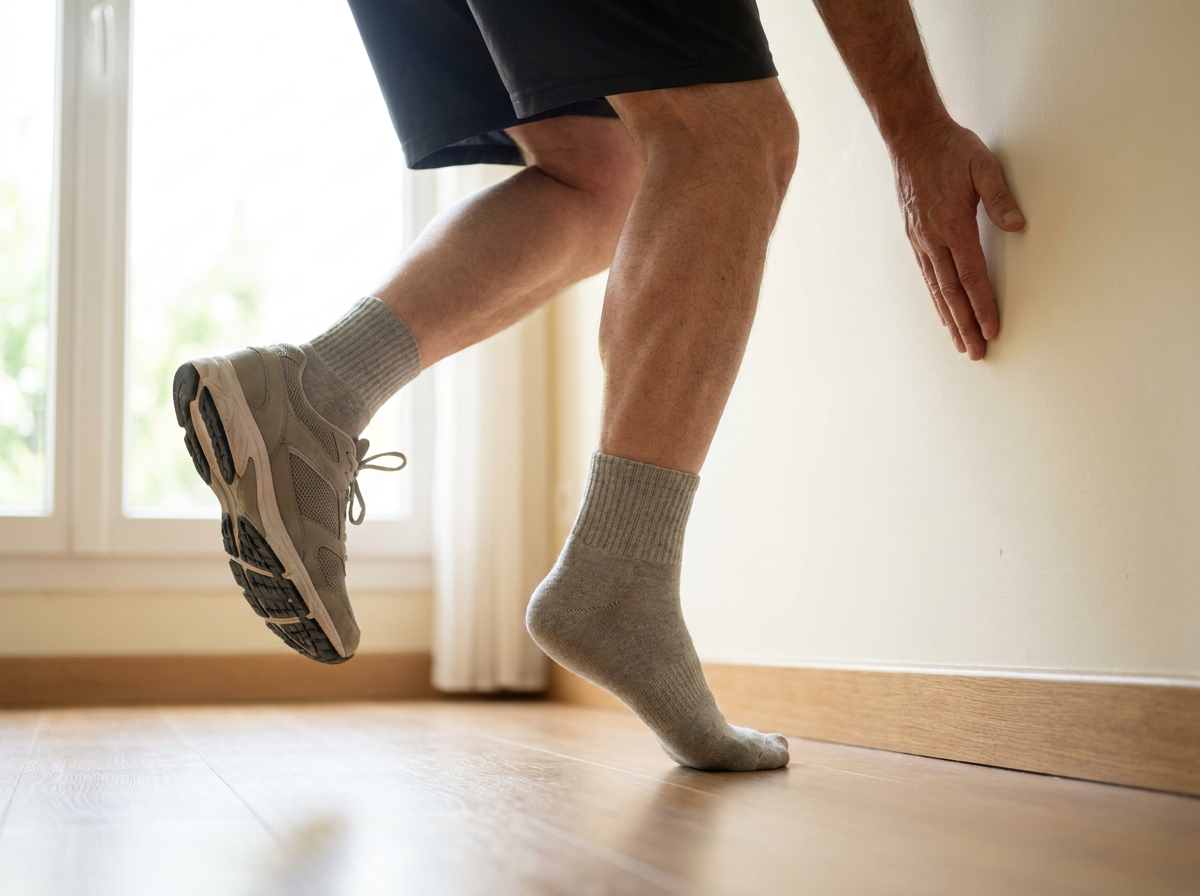
When to get assessed sooner (important)
Book an assessment promptly if:
you felt a pop and had immediate sharp pain
bruising appears quickly or swelling is significant
you can't walk normally after a few days
pain keeps recurring when you try to jog
you're a runner/athlete and want a structured return plan
you're worried it may be Achilles-related
What we can/can't do (honest expectations)
What we can do
confirm whether it's likely a calf strain vs Achilles vs other causes
reduce pain and restore normal walking mechanics
rebuild calf strength and endurance to reduce recurrence risk
guide a safe return to running, hills, and speed
help you avoid the “feels fine → re-injure” cycle
What we can't do
guarantee a specific recovery time without assessment (severity varies)
safely clear you for sprinting without strength/readiness checks
prevent recurrence if you return to high load too quickly (but we can reduce risk a lot)
Book a free calf assessment in Chelmsford
If you're in Chelmsford, Great Baddow, Springfield, Writtle, Galleywood, Boreham or Chelmer Village and want a clear plan for a pulled calf, book a free assessment.
Revive Health Chelmsford
Call: 01245 956391 or 07723 503277
Website: https://www.revivehealthchelmsford.co.uk
FAQs: Calf strain
How long does a calf strain take to heal?
It depends on severity. Mild strains may improve over a few weeks; moderate strains can take longer. Progressive strengthening and a graded return to running are key.
Should I stretch a pulled calf?
Early on, aggressive stretching can irritate healing tissue. Strength and controlled loading are usually more helpful initially.
Can I walk with a calf strain?
Often yes, as long as you can walk without a significant limp and it doesn't spike pain.
Why did it happen?
Common reasons include sprinting/acceleration demands, fatigue, sudden load increases, or reduced calf strength/endurance. A physio assessment helps identify your personal risk factors.
How do I stop it happening again?
Single-leg strength, calf endurance, and a gradual return to hills/speed are key.
Disclaimer: This article is for general information only and isn't a substitute for medical advice. If you're worried about your symptoms, please seek appropriate medical care.